Weight-loss medications like Ozempic and Wegovy have completely transformed the modern approach to treating obesity and metabolic disorders. However, while patients shed pounds at unprecedented rates, doctors have raised a red flag about a hidden side effect: the significant reduction of lean muscle tissue. For anyone wondering about Ozempic and exercise benefits, a highly anticipated preclinical study recently unveiled at the European Atherosclerosis Society (EAS) Congress 2026 offers a compelling answer. The findings suggest that hitting the gym doesn't just accelerate fat burning—it serves as a critical shield for your muscular health.
The Science of Semaglutide Fat Loss vs Muscle Loss
Semaglutide, the active ingredient powering blockbuster GLP-1 medications, works by mimicking natural hormones to suppress appetite, delay gastric emptying, and regulate blood sugar. Patients often see dramatic drops on the scale. Yet, a closer look at the body composition changes reveals a nuanced story regarding semaglutide fat loss vs muscle loss.
When you consume significantly fewer calories, the human body naturally taps into both fat stores and muscle tissue for energy. Preserving physical strength becomes a major clinical priority, as skeletal muscle is the engine of metabolic health. A persistent decline in lean mass can lead to fatigue, reduced bone density, and a slower resting metabolic rate. That makes finding ways to prevent muscle loss on semaglutide an urgent priority for healthcare providers overseeing long-term weight management protocols.
Inside the EAS Congress 2026 Weight Loss Study
Presented in late May in Athens, Greece, the EAS Congress 2026 weight loss study delivered groundbreaking insights into how physical activity alters the efficacy of GLP-1 treatments. Researchers conducted a 14-week preclinical trial focusing on subjects suffering from severe obesity-related complications, specifically insulin resistance, fatty liver disease, and cardiovascular markers like atherosclerosis. These conditions closely mirror the complex metabolic profiles of many human patients seeking pharmacological weight-loss solutions.
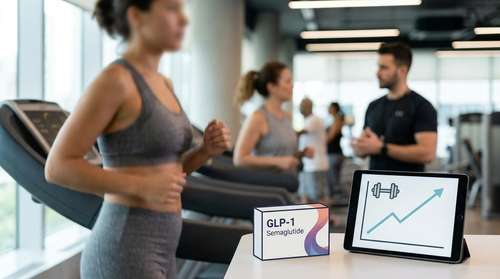
The results were striking. When subjects were administered semaglutide without any physical activity, they achieved a respectable 31% reduction in total fat mass. Unfortunately, this fat reduction was accompanied by an 11% decrease in lean muscle mass. However, when the exact same medication protocol was paired with a structured daily exercise regimen, the physiological outcomes improved dramatically across the board.
The Amplified Benefits of Movement
By integrating physical activity, total fat loss skyrocketed to an impressive 45%. More importantly, the exercise intervention successfully limited muscle depletion to a mere 8%. This dual-action benefit indicates that physical exertion actively redirects the body's weight-loss mechanisms—pushing it to aggressively target adipose fat stores while simultaneously defending structural lean tissue.
Understanding GLP-1 Drugs and Muscle Mass
Why exactly does movement make such a profound difference at a cellular level? The connection between GLP-1 drugs and muscle mass comes down to the body's natural adaptation signals. Resistance training and cardiovascular workouts create microscopic tears in muscle fibers, triggering a biological demand to repair and fortify those tissues. When patients take appetite suppressants, this continuous mechanical tension signals the body that the muscles are still essential for daily physical function, forcing the metabolism to prioritize fat oxidation instead.
Without that physical stimulus, a medication-induced calorie deficit simply signals a state of starvation. The body willingly sacrifices metabolically expensive muscle tissue to conserve overall energy reserves. By maintaining an active routine, you are essentially rewriting the metabolic script.
Actionable Fitness Tips for Ozempic Patients
If you are currently utilizing these medications or considering a prescription, rethinking your daily movement is non-negotiable. To maximize the structural benefits highlighted by the recent data, experts recommend adopting a well-rounded physical routine that challenges the body safely.
Here are several essential fitness tips for Ozempic patients aiming to optimize their overall body composition:
- Prioritize Resistance Training: Lifting weights, using resistance bands, or performing bodyweight exercises like squats and push-ups at least two to three times a week is paramount. This provides the direct mechanical tension needed to maintain strength.
- Incorporate Adequate Protein: Because appetite is severely blunted by the medication, the food you do consume must be highly nutrient-dense. Aim for a consistently high protein intake to give your body the essential amino acids required for muscle repair.
- Stay Hydrated and Fueled: Exercising in a steep caloric deficit can sometimes cause dizziness or fatigue. Time your meals strategically around your physical activities to ensure you have enough energy to perform at your best.
Designing a Workout Plan for Wegovy Users
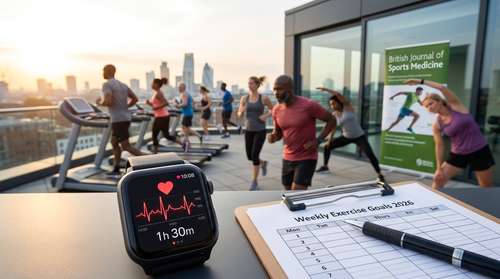
Crafting an effective workout plan for Wegovy users does not mean you have to run marathons or spend countless hours inside a gym. Consistency will always outpace intensity. A highly practical weekly schedule might include three days of structured strength training targeting major muscle groups, interspersed with two days of moderate cardiovascular activity such as brisk walking, cycling, or swimming. This balanced approach not only supports cardiovascular health but also ensures your muscles receive both the stimulus to grow and the adequate time to recover.
Ultimately, preserving lean mass goes far beyond aesthetics. It dictates your mobility, your physical balance, and your ability to maintain a highly active lifestyle as you age. The medical community’s understanding of obesity treatment is rapidly evolving. While injectable medications offer an unprecedented tool for weight management, they are not a standalone cure. The latest preclinical research definitively confirms that the intersection of pharmaceutical intervention and intentional lifestyle habits yields the healthiest, most sustainable results. Movement remains the ultimate medicine for preserving your physical strength, ensuring that the weight you lose is the weight you actually want to lose.