We've long assumed that fading memory is just a natural part of growing older, but a select group of octogenarians and nonagenarians are proving that assumption wrong. Known as "SuperAgers," these remarkable individuals possess the episodic memory of people three decades younger. For years, experts hypothesized that these seniors simply won the genetic lottery, somehow inheriting DNA that shielded their brains from age-related decline. However, groundbreaking new findings from the late July 2026 University of Chicago SuperAging study are completely shifting our understanding of SuperAgers cognitive health. It turns out that exceptional memory in later life isn't just about inheriting good genes—it's about active, holistic brain protection.
The Groundbreaking University of Chicago SuperAging Study
If you've ever wondered how to keep mind sharp as the years pass, you aren't alone. Researchers have spent nearly two decades trying to uncover the exact biological mechanisms that support exceptional brain function. Because genetics play such a massive role in neurodegenerative conditions, scientists logically assumed that SuperAgers possessed an unusually low Alzheimer's genetic risk.
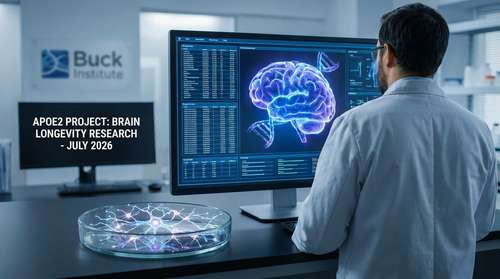
To directly test this long-standing hypothesis, a team led by researchers at the University of Chicago’s Healthy Aging & Alzheimer's Research Care (HAARC) Center and the Translational Genomics Research Institute (TGen) launched a comprehensive genetic analysis. The researchers examined DNA from a diverse cohort of 231 participants across the United States and Canada. This included 142 prospectively enrolled SuperAgers—people 80 and older with cognitive performance matching individuals in their 50s and 60s—and 89 cognitively average peers.
The results, published in the journal Alzheimer's Research & Therapy on July 25, 2026, evaluated the APOE gene, which is currently the strongest known genetic risk factor for Alzheimer's disease. The team also calculated three distinct polygenic risk scores, which tally thousands of minor genetic variants associated with inherited dementia risk.
Why Alzheimer's Genetic Risk Doesn't Tell the Whole Story
The findings delivered a major paradigm shift for the science of healthy brain aging. Researchers discovered that SuperAgers carry the exact same genetic predisposition to cognitive decline as average older adults. Their APOE allele status and overall polygenic risk scores were essentially indistinguishable from those of their cognitively typical peers. Furthermore, the study found no increased prevalence of rare, protective genetic variants among the SuperAger cohort.
Dr. Emily Rogalski, director of the HAARC Center at the University of Chicago, highlighted the significance of these findings. She noted that if SuperAging were solely dictated by genetics, doctors could simply run a quick DNA swab to identify these individuals rather than relying on comprehensive neurological evaluations. Instead, the data proves that SuperAgers cognitive health is born from a different kind of biological resilience.
Active Protection vs. Disease Avoidance
This distinction between passive disease avoidance and active brain protection is transforming how scientists view longevity. The biology of reducing disease risk is completely separate from the biology of active cognitive resilience. In fact, previous autopsy studies on SuperAgers have revealed that some of these individuals do develop the physical hallmarks of Alzheimer's, such as amyloid plaques and tau tangles. Yet, their brains somehow resist the functional damage these proteins typically cause. Because they don't have a genetic advantage to fall back on, researchers believe that environmental influences, behavioral habits, and lifestyle choices are the true catalysts for preserving memory.
How to Keep Mind Sharp and Prevent Memory Loss in Seniors
This recent genetic revelation is incredibly empowering for the average person. If genetics aren't destiny, then your daily choices play a monumental role in determining your cognitive future. While scientists are still mapping the precise neurobiological profiles that drive exceptional memory, decades of accumulated data give us a clear blueprint to help prevent memory loss in seniors.
- Embrace Vigorous Cognitive Challenges: It’s not enough to just complete a daily crossword puzzle or play familiar brain games. SuperAgers consistently step outside their comfort zones, tackling complex, frustrating, and novel mental tasks that force the brain to build new neural networks. Learning a new language or mastering a complex musical instrument in your 70s requires the exact type of mental heavy lifting that fosters cognitive resilience.
- Prioritize Social Connectivity: Research shows that SuperAgers often have robust social networks and display highly gregarious personality traits. Maintaining deep, meaningful relationships stimulates multiple regions of the brain and acts as a powerful buffer against the rapid cognitive decline associated with isolation and loneliness.
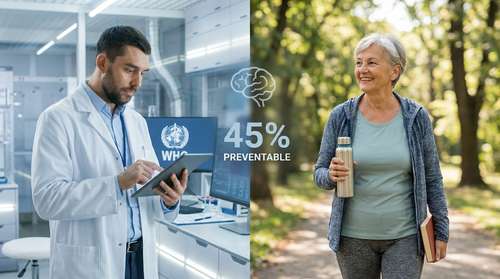
- Maintain Physical Vitality: Physical activity directly supports healthy brain aging by improving vascular health and reducing systemic inflammation. Regular cardiovascular exercise ensures the brain receives the oxygen and essential nutrients it requires to function optimally and clear out metabolic waste.
The Future of Healthy Brain Aging
The groundbreaking late July 2026 data from the University of Chicago SuperAging study marks a thrilling new frontier in clinical neuroscience. Since DNA cannot fully explain the phenomenon of exceptional memory, future research initiatives are rapidly shifting their focus toward a more holistic, multidisciplinary approach. Upcoming protocols will integrate comprehensive sleep tracking, immune system profiling, advanced functional neuroimaging, and social-environmental metrics to capture the complete picture of cognitive resilience.
For now, the overarching takeaway is both clear and actionable: SuperAgers cognitive health is an active, ongoing process rather than a fortunate genetic accident. By adopting a lifestyle that prioritizes robust mental challenges, deep community ties, and sustained physical health, you are directly investing in a sharper, more resilient mind for the decades to come.