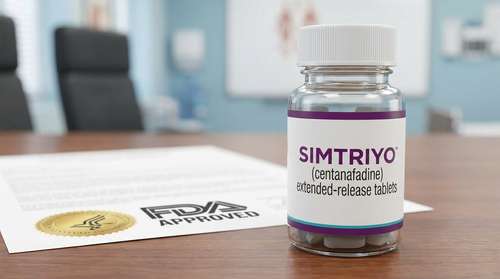
On July 24, 2026, the medical community received a groundbreaking update when the FDA announced the highly anticipated Simtriyo FDA approval. Developed by Otsuka Pharmaceutical, Simtriyo (centanafadine) is a once-daily extended-release capsule that is reshaping how we approach neurodevelopmental disorders. As the first-ever norepinephrine, dopamine, and serotonin reuptake inhibitor (NDSRI) approved for attention-deficit/hyperactivity disorder, it offers a novel mechanism of action for adults and children aged six and older weighing at least 20 kg. For patients and families seeking a new ADHD medication 2026 that moves beyond traditional therapies, this authorization marks a monumental shift in daily symptom management.
The Science Behind Otsuka Simtriyo: What is an NDSRI?
For decades, standard ADHD treatment options have largely focused on manipulating two specific brain chemicals: dopamine and norepinephrine. While these foundational therapies are highly effective for many, they do not resolve symptoms for every patient and can sometimes cause frustrating side effects. This is where the introduction of Otsuka Simtriyo completely changes the paradigm. It is classified as an NDSRI triple reuptake inhibitor, meaning it simultaneously prevents the brain from reabsorbing three vital neurotransmitters.
How Targeting Three Neurotransmitters Changes ADHD Care
By interacting with all three pathways at once, centanafadine ADHD treatments address focus, impulse control, and emotional regulation in a comprehensive manner. Norepinephrine aids with alertness and executive function. Dopamine is critical for motivation and reward processing. Why does adding serotonin to the mix matter so much? Serotonin plays a unique role in mood stabilization and emotional balance.
Combining these three distinct mechanisms into a single extended-release medication offers a more balanced neural environment. Patients receive the cognitive sharpening associated with dopamine and norepinephrine, paired with the behavioral regulation provided by serotonin. This creates a smoother, more sustained clinical effect throughout the day.
Clinical Trials: Breaking Down the Efficacy and Results
Before the Simtriyo FDA approval was finalized, Otsuka Pharmaceutical completed a rigorous clinical development program. The efficacy of this medication was thoroughly evaluated across four pivotal Phase 3 clinical trials, which included two adult studies, one adolescent study, and one pediatric study. These extensive trials were strictly designed to measure safety and symptom improvement across different developmental stages.
Symptom Reduction for Children and Adults
The trial results demonstrated statistically significant and clinically meaningful reductions in core attention-deficit symptoms. Using established metrics like the ADHD Rating Scale-5 for younger populations and the Investigator Symptom Rating Scale for adults, researchers noted rapid improvements in task initiation, time management, and working memory. Participants also showed pronounced gains in executive functioning and emotional regulation.
In addition to broad symptom reduction, the data revealed that patients began experiencing meaningful improvements within just one to two weeks of starting the medication. This rapid onset of action is a distinct advantage, as some alternative therapeutic routes can take several weeks to reach full clinical efficacy. Because the trials encompassed the full lifespan of patients six years and older, healthcare providers now possess strong, verified data supporting its use as a reliable daily treatment for diverse demographics.
Why This New ADHD Medication 2026 Matters
One of the most persistent concerns surrounding psychopharmacological care is the potential for dependency and misuse. For adults and parents exploring non-stimulant ADHD alternatives or seeking medications with preferable safety margins, tolerability data is often the deciding factor. Based on both preclinical and clinical trial data, the centanafadine ADHD formulation provides robust symptom reduction while showing a notably lower risk of abuse compared to traditional short-acting stimulants.
A Lower-Risk Approach to Focus and Regulation
The most commonly reported side effects across the Phase 3 trials were relatively mild and manageable. In adults, clinical observers primarily noted occasional instances of decreased appetite and headaches. In pediatric and adolescent participants, mild nausea, fatigue, a rash, and temporary decreases in appetite were the main adverse reactions. By utilizing an NDSRI triple reuptake inhibitor mechanism, the medication helps mitigate the intense neurological reward spikes that typically drive misuse, offering peace of mind to prescribing physicians and families alike.
Integrating Simtriyo Into Current ADHD Treatment Options
The modern landscape of mental health care requires highly individualized approaches, as no single therapy works perfectly for everyone. With this new ADHD medication 2026 entering the psychiatric space, physicians finally have an entirely new pharmacologic class to draw from when designing treatment plans. While the medication still awaits final scheduling by the U.S. Drug Enforcement Administration before it reaches pharmacy shelves, the Simtriyo FDA approval represents an immediate and vital expansion of the therapeutic toolkit.
Whether a patient has struggled with the harsh crash of older medications or simply hasn't found adequate symptom relief from existing choices, this innovative extended-release capsule brings fresh hope. By combining the cognitive benefits of dopamine and norepinephrine with the mood-stabilizing effects of serotonin, Otsuka Simtriyo acknowledges the complex, multifaceted nature of the disorder. As we move further into the summer, the medical community eagerly anticipates the positive, real-world impact this revolutionary drug will have on millions of lives.