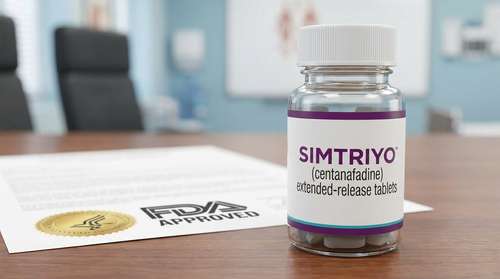
The U.S. Food and Drug Administration (FDA) has officially approved Otsuka Pharmaceutical's newest therapy, marking a significant milestone in neurological care. On July 24, 2026, the agency greenlit Simtriyo (centanafadine), a once-daily extended-release capsule designed for attention-deficit hyperactivity disorder. The Simtriyo FDA approval introduces a highly anticipated, first-in-class ADHD medication capable of treating both adults and pediatric patients aged six and older. By introducing a brand-new pharmacological approach, this medication offers an alternative for the millions of Americans navigating this complex neurodevelopmental condition.
The Science Behind the NDSRI ADHD Treatment
For decades, clinicians have primarily relied on conventional stimulants targeting either dopamine or norepinephrine. Simtriyo stands apart as the first and only norepinephrine, dopamine, serotonin reuptake inhibitor (NDSRI). This triple reuptake inhibitor ADHD medication simultaneously blocks the brain's reabsorption of all three critical neurotransmitters.
By keeping higher levels of these chemicals available in the brain's neural pathways, centanafadine helps regulate attention, behavioral control, and emotional balance. Serotonin, in particular, plays a major role in mood regulation and emotional reactivity—areas where many standard therapies fall short. Targeting this third chemical distinguishes the Otsuka Simtriyo ADHD formulation from existing options, positioning it as a potentially transformative tool for individuals who cycle through medications due to inadequate symptom relief or intolerable side effects.
Rapid Efficacy in Clinical Trials
The regulatory decision was heavily supported by data from four pivotal Phase 3 clinical trials. Researchers evaluated centanafadine for ADHD across diverse demographics, conducting two studies on adults and two focusing on children and adolescents. Participants taking the active drug demonstrated statistically significant improvements compared to those on a placebo.
Clinicians measured progress using the ADHD Rating Scale-5 for younger demographics and the Adult ADHD Investigator Symptom Rating Scale for adults. The results were exceptionally promising regarding onset time. In both pediatric and adult groups, patients experienced clinically meaningful symptom improvements as early as the first week of treatment. This rapid onset is a distinct advantage among new ADHD drugs 2026, offering faster relief than many traditional alternatives.
Patient Guidelines and Safety Profile
While the benefits are clear, healthcare providers will monitor patients for common adverse reactions associated with the drug. To qualify for a prescription, pediatric patients must be at least six years old and weigh a minimum of 20 kilograms (about 44 pounds).
Clinical data indicates that side effect profiles vary slightly by age group. Children between the ages of six and twelve most frequently experienced rashes and decreased appetite. Teenagers reported nausea, headaches, and abdominal pain, while adult users commonly noted insomnia, dry mouth, diarrhea, and fatigue. Like other central nervous system stimulants, physicians must weigh these mild-to-moderate risks against the patient's individual need for symptom management.
Administration and Daily Use
Simtriyo is designed for convenience, packaged as a once-daily morning capsule that patients can take with or without food. Recognizing that swallowing pills can be challenging for younger children or patients with sensory issues, the FDA approved flexible administration methods. Caregivers can open the extended-release capsule and sprinkle the contents over a single tablespoon of yogurt, applesauce, or orange juice.
Patients and caregivers must follow these specific administration guidelines for optimal results:
- Consume the sprinkled mixture immediately without chewing to preserve the controlled-release mechanism.
- Maintain a consistent daily schedule, typically taking the medication in the morning.
- Adult patients should avoid consuming alcohol for at least two hours after their dose, as it may interfere with absorption.
Market Availability and Next Steps for Otsuka
Attention-deficit hyperactivity disorder affects approximately 7 million children and 15.5 million adults across the United States. Historically, a high turnover rate remains in the treatment landscape due to fluctuating efficacy or changing life demands. A first-in-class ADHD medication bridges a crucial gap, expanding the options available to better serve this massive, highly individualized market.
Although the FDA has authorized its clinical use, patients cannot fill a prescription at their local pharmacy just yet. Because the agency classifies Simtriyo as a central nervous system stimulant with dopaminergic effects, it must first undergo a controlled-substance review by the U.S. Drug Enforcement Administration (DEA).
This standard regulatory process can take up to three months. Market analysts anticipate that the drug's eventual DEA scheduling will significantly impact its commercial trajectory. If it receives a Schedule II classification—similar to Adderall and Vyvanse—it will face stricter prescribing regulations. However, a less restrictive classification could give Otsuka a massive competitive edge. Regardless of the scheduling outcome, the manufacturer expects the medication to be commercially available nationwide later this year.