January 25, 2026 – A seismic shift in obesity management guidelines has emerged this week following the release of the American College of Sports Medicine’s (ACSM) 2026 Worldwide Fitness Trends report. For the first time, clinical experts are explicitly prioritizing heavy-load resistance training over traditional cardio for patients using GLP-1 medications like semaglutide and tirzepatide. This new consensus, dubbed the "Muscle Preservation Blueprint," identifies sarcopenic obesity—the simultaneous presence of obesity and low muscle mass—as a critical risk for the millions of Americans currently prescribed weight-loss drugs.
The New GLP-1 Fitness Protocol: Strength is Non-Negotiable
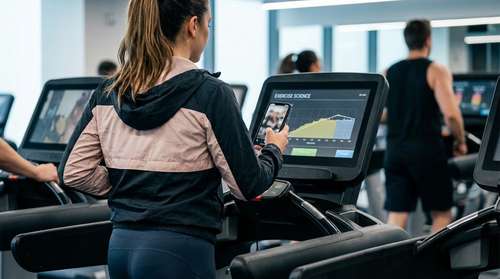
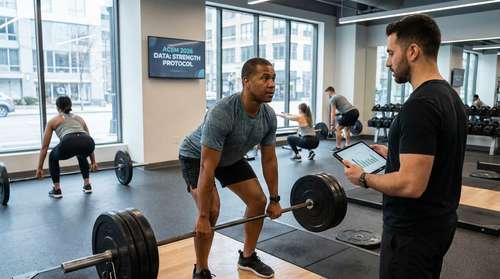
The ACSM’s 2026 report has elevated "Exercise for Weight Management" to its highest-ever ranking at #3, but the context has changed dramatically. According to data released just yesterday, standard cardiovascular routines are failing to protect lean tissue in patients experiencing rapid weight loss. The new GLP-1 fitness protocol mandates a departure from light weights and high reps, advocating instead for "strength in depth"—heavy compound movements designed to stimulate type II muscle fibers.
"The era of simply telling patients to 'walk more' while on these medications is over," says Dr. Cayla McAvoy, a lead author of the trend analysis. "Without a heavy resistance stimulus, up to 40% of the weight lost on GLP-1s can be lean muscle tissue. In 2026, the prescription is clear: if you are injecting, you must be lifting."
Combating Muscle Loss Prevention 2026: The 'Heavy' Requirement
The urgent focus on muscle loss prevention 2026 stems from new clinical findings showing that muscle wasting impacts long-term metabolic health. When patients lose muscle, their resting metabolic rate plummets, increasing the likelihood of rapid weight regain—a phenomenon known as the "post-Ozempic rebound." The new blueprint recommends a minimum of two to three sessions of resistance training for weight loss drugs users per week, specifically focusing on progressive overload.
Key components of the 2026 protocol include:
- Compound Lifts: Squats, deadlifts, and overhead presses that recruit multiple muscle groups.
- Lower Rep Ranges: Working in the 6-8 rep range to maximize mechanical tension.
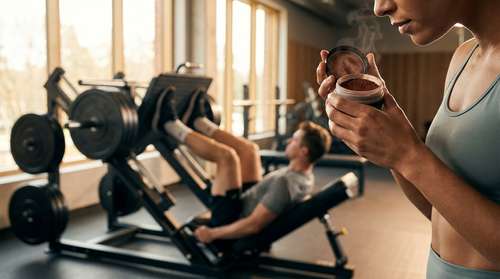
- Protein Timing: Consuming 20-30g of leucine-rich protein every 3-4 hours to support muscle protein synthesis.
Metabolic Health Workouts vs. Calorie Burning
Historically, weight loss programs prioritized calorie-burning activities. However, the new metabolic health workouts designed for GLP-1 users flip this script. The goal is no longer to burn calories during the session, but to build a metabolic "engine" that consumes energy at rest. This distinction is vital for patients whose appetites—and caloric intake—are already drastically reduced by medication.
"We are seeing patients achieve their goal weight but arrive with the skeletal muscle density of an eighty-year-old," warns Dr. Zhenqi Liu, whose recent commentary on GLP-1 usage highlights the risks of frailty. "Strength training for obesity meds isn't about bodybuilding; it's about organ protection. Muscle is our largest endocrine organ, and preserving it is the only way to ensure these drugs improve health rather than just reducing size."
ACSM Fitness Trends 2026: The Rise of 'Medical Fitness'
The ACSM fitness trends 2026 report highlights a broader convergence between healthcare and the gym. "Medical Fitness" integration is rising, with physicians now referring patients directly to strength coaches certified in muscle preservation exercise. This trend reflects a growing recognition that obesity medications require a multidisciplinary approach, combining pharmacology with rigorous physical training.
For patients, this means the "easy" route of medication alone is being replaced by a more demanding, active partnership with their health. The message from the 2026 data is stark: the medication opens the window for weight loss, but only heavy iron keeps the window open for long-term health.
Implementing the Protocol
For those currently on a GLP-1 regimen, experts advise consulting with a certified exercise physiologist to build a safe, progressive heavy lifting plan. Starting with proper form is crucial, but the ultimate goal must be to challenge the muscles significantly. As we move further into 2026, the definition of a successful weight loss journey has officially changed: it is no longer measured just by what you lose, but by what you keep.