Forget the grueling hours at the gym or the monotonous quest for 10,000 daily steps. A scientifically backed micro-workout from Japan has officially dethroned them all. Japanese interval walking, a specific method of alternating pace, has exploded into the mainstream, registering a staggering 2,986% surge in search interest this week alone. As 2026's top viral fitness trend, this accessible routine promises clinical-grade results—including lower blood pressure and boosted metabolism—in just a fraction of the time required for traditional cardio.
The Viral '3-3' Method Explained
At the heart of this movement is simplicity. Unlike complex gym splits or equipment-heavy Pilates routines, the Japanese walking method relies on a strict but manageable structure known as the 3-3 walking method. The protocol is deceptively simple: walk at a high-intensity pace for three minutes, followed by a low-intensity stroll for three minutes.
The magic happens in the contrast. During the fast interval, you should aim for about 70% of your maximum effort—fast enough that holding a conversation becomes difficult. For the recovery interval, you drop to 40% effort, allowing your heart rate to settle. Repeating this cycle five times creates a comprehensive 30-minute workout that triggers physiological changes steady-state walking simply cannot match.
The Science: Why Shinshu University's Research Matters
While TikTok creators are just discovering it now, the science behind this trend dates back decades. The method was originally developed by Dr. Hiroshi Nose and his team at Shinshu University in Matsumoto, Japan. Their clinical trials revealed that this specific style of low-impact cardio routine did more than just burn calories; it fundamentally reversed markers of aging.
Dr. Nose's research demonstrated that participants who followed this regimen for five months saw their VO2 max (a key indicator of aerobic fitness) increase by up to 20%. Even more impressive were the muscular gains. Unlike improved cardiovascular health, which is expected from walking, the interval walkers significantly increased thigh muscle strength and knee extension power. This is a critical factor for longevity, as leg strength is directly correlated with mobility and independence in later life.
Key Clinical Benefits
- Blood Pressure Reduction: Studies showed significant drops in systolic blood pressure among hypertensive participants.
- Glycemic Control: The intervals improve how muscles absorb glucose, making it highly effective for blood sugar regulation.
- Cellular Rejuvenation: The high-intensity bursts stimulate mitochondrial function, effectively 'cleaning' the body's cellular energy producers.
Japanese Walking vs. The 6-6-6 Walking Challenge
The fitness world in 2026 has been dominated by numbered challenges, most notably the 6-6-6 walking challenge (walking at 6 AM and 6 PM for 60 minutes). While the 6-6-6 method builds discipline, it requires a significant time investment—two hours daily—that many working professionals simply cannot sustain.
Japanese interval walking offers a more efficient alternative. Because the walking for muscle strength component is built into the intensity intervals, you achieve superior physiological adaptations in just 30 minutes a day, four times a week. It is the perfect antidote to 'volume fatigue,' proving that intensity and structure often trump duration. You don't need to walk for hours; you just need to walk smarter.
How to Start Your Interval Routine Today
Ready to join the revolution? You don't need a gym membership, but you do need a watch or a timer. Here is the optimal way to structure your first session:
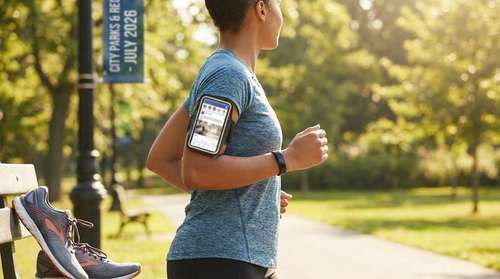
Start with a 5-minute warm-up at a comfortable pace. Once you are loose, begin your first 3-minute 'fast' interval. Swing your arms and lengthen your stride—you should feel slightly out of breath. Immediately follow this with 3 minutes of slow, recovery walking. Repeat this set five times. Finish with a cool-down. If you stick to this viral fitness trends 2026 staple for just four days a week, science suggests you will feel a difference in your energy levels and strength within as little as two weeks.