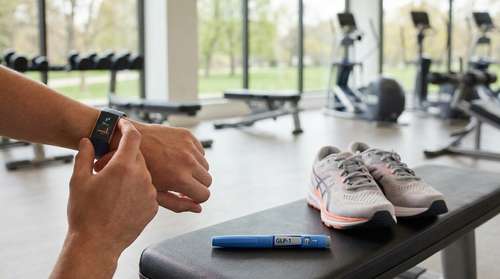
As pharmaceutical obesity treatments hit unprecedented market saturation this spring, a radical shift is sweeping the health and wellness sector. Just days ago, at the European Congress on Obesity which wrapped up on May 15, 2026, experts presented compelling new data that permanently alters how clinicians approach medically assisted weight loss. The consensus is clear: the injection alone is no longer enough. Enter the era of specialized GLP-1 fitness protocols, a clinical framework designed to combat the insidious threat of lean muscle loss.
For millions of Americans currently taking semaglutide or tirzepatide, the rapid shedding of pounds has been celebrated as a medical miracle. Yet, behind the dramatic before-and-after photos lies a hidden physiological crisis. Without targeted intervention, studies indicate that up to 40% of the weight lost on these medications can come from vital lean muscle mass rather than fat. This rapid depletion threatens skeletal integrity, lowers resting metabolic rate, and significantly increases the risk of frailty, particularly in aging populations. The industry is now waking up to the reality that preserving tissue is just as crucial as shedding fat.
The Wake-Up Call: Why Metabolic Health 2026 Demands More Than Just a Shot
The conversation surrounding metabolic health 2026 has pivoted aggressively from mere fat reduction to comprehensive body composition management. When you lose muscle, you lose the metabolic engine that processes glucose and burns calories at rest. In the early days of these medications, patients intuitively gravitated toward steady-state cardio to accelerate their calorie burn. Today, clinical obesity specialists recognize that strategy as fundamentally flawed.
Because the body is in an extreme caloric deficit, it will scavenge its own muscle tissue for amino acids and energy unless given a compelling biological reason not to. Therefore, strength training for weight loss is no longer viewed as an optional aesthetic pursuit; it is a foundational medical requirement. The latest clinical data confirms that when patients combine GLP-1 therapies with heavy, progressive lifting, they can shift the composition of their weight loss to up to 85% fat while preserving vital lean tissue.
Decoding the Groundbreaking ACSM Fitness Report
The sports medicine community officially sounded the alarm over the weekend. In a landmark policy shift, the newly highlighted ACSM fitness report established definitive guidelines requiring clinicians to prescribe resistance training concurrently with any GLP-1 or GIP medication. The American College of Sports Medicine's updated framework makes one thing abundantly clear: prescribing these drugs without a structured lifting regimen constitutes clinically incomplete care.
Mandating the Muscle-First Approach
The report outlines what is rapidly becoming the most critical of the 2026 fitness trends: the "muscle-first" prescription. This doctrine dictates that preserving fat-free mass must take priority over maximizing total pounds lost on the scale. By prioritizing the structural integrity of the body, these new guidelines emphasize resistance training longevity, ensuring that patients do not just become smaller, but rather build the mechanical resilience necessary for a longer, highly functional life.
Blueprint for the New GLP-1 Fitness Protocols
So, what does this new era of medical fitness actually look like? The days of generic "move more" advice have been entirely replaced. The latest GLP-1 fitness protocols require precise, targeted mechanical tension to signal the body to hold onto its muscle tissue even during rapid weight reduction.
- Frequency and Volume: Clinical guidelines now advise a minimum of two to three dedicated resistance training sessions per week working all major muscle groups.
- Load Intensity: Patients are encouraged to lift challenging weights to maximize motor unit recruitment and counter muscle catabolism.
- Progressive Overload: Consistently increasing the weight or resistance over time is mandatory to force continued physiological adaptation.
Prioritizing Muscle Preservation Exercises
Effective muscle preservation exercises rely heavily on multi-joint, compound movements rather than isolated machine work. Exercises such as squats, deadlifts, chest presses, and rows recruit the maximum number of muscle fibers simultaneously. This provides the intense stimulus required to halt catabolism and maintain bone mineral density. Squatting, for example, not only targets the quadriceps and glutes but also requires massive core stabilization, making it a highly efficient tool for full-body preservation.
Nutritional Synergy and Protein Timing
Physical stimulus is only half the equation. The delayed gastric emptying caused by modern weight-loss medications often suppresses appetite to the point where adequate protein intake becomes a daily struggle. To support GLP-1 fitness protocols, dietitians currently mandate optimizing protein intake to repair the micro-tears induced by heavy lifting. Spacing this protein intake evenly across smaller, frequent meals ensures a continuous supply of essential amino acids.
A New Standard of Care
The landscape of obesity medicine has permanently transformed. We are no longer simply shrinking bodies; we are actively trying to re-engineer them for durability. The widespread integration of resistance training into standard medical practice represents the true maturation of weight-loss science. By championing a muscle-first revolution, the medical and fitness communities are finally aligning to ensure that the weight lost today does not compromise the vitality of tomorrow.