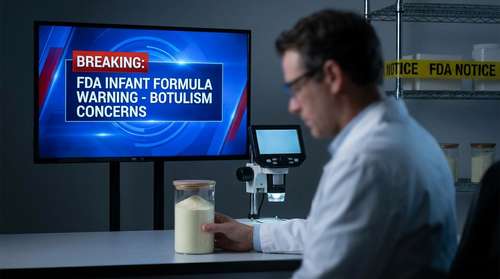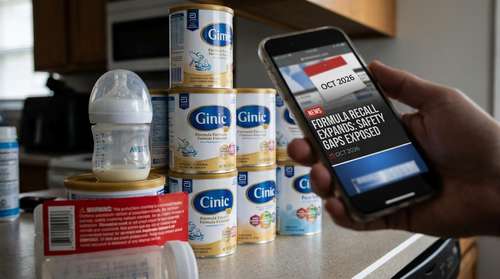
A staggering new report has exposed profound systemic failures in how authorities and manufacturers handled a massive, multi-brand contamination that sparked the global baby formula recall 2026. Published just days ago by the charity First Steps Nutrition Trust, the explosive findings reveal that tainted infant formula remained on retail shelves for up to eight months before regulatory bodies issued public alerts. The delay resulted in dozens of severe illnesses and has prompted urgent calls for a total overhaul of supply chain oversight.
The Hidden Danger: A Tainted Supply Chain
Earlier this year, health agencies worldwide pulled over 60 batches of highly popular infant formula from store shelves. The Aptamil SMA baby formula contamination crisis originated from a seemingly routine ingredient: arachidonic acid (ARA) oil sourced from a third-party supplier in China. This specialized oil, added to mimic the nutritional profile of human breast milk, was inadvertently tainted with cereulide.
According to the recent First Steps Nutrition Trust infant formula safety review, contaminated products likely entered the UK market as early as May 2025. Incredibly, the first major alerts from the Food Standards Agency (FSA) were not published until January 2026. This massive gap left highly vulnerable infants exposed to a dangerous toxin for the better part of a year, spotlighting glaring infant formula regulation weaknesses that allowed manufacturers essentially to police themselves.
Investigators noted that the lack of rigorous, independent batch-testing enabled the contaminated ARA oil to be shipped globally and mixed into multiple product lines by corporate giants Danone and Nestlé, which together command roughly 85% of the UK formula market.
Understanding Cereulide Poisoning Symptoms in Babies
The core of this health emergency lies in Bacillus cereus infant formula safety protocols. While many foodborne bacteria can be neutralized by preparing formula with boiling water, the cereulide toxin produced by Bacillus cereus is intensely heat-stable. Once the bacteria generate this toxin during the manufacturing process, standard home sterilization methods do absolutely nothing to destroy it.
When an infant ingests the toxin, the physical reaction is swift and violent. Typical cereulide poisoning symptoms in babies include a rapid onset of intense nausea, stomach cramping, vomiting, and diarrhea. Symptoms can appear anywhere from 15 minutes to six hours after feeding.
The UK Health Security Agency (UKHSA) has identified at least 61 clinical cases of children exhibiting symptoms consistent with this specific poisoning. However, experts warn the actual casualty count is likely far higher. Because gastrointestinal distress overlaps heavily with common seasonal viral infections in infants, countless cases likely slipped under the diagnostic radar. In France, health officials have even opened investigations into the tragic deaths of two infants potentially linked to the tainted batches, though a direct causal relationship remains under review.
Regulatory Blind Spots and Campaigner Demands
The First Steps Nutrition Trust argues that the governmental response was painfully sluggish. Their report emphasizes that UK healthcare professionals were not officially advised to notify suspected cases of cereulide poisoning until February 2026—weeks after the initial public product recalls were initiated.
Campaigners are now demanding sweeping legislative changes to close these perilous infant formula regulation weaknesses. Proposed measures include mandatory rapid-response testing for known heat-stable toxins, stricter vetting of international third-party ingredient suppliers, and creating an independent centralized alert system that does not rely on voluntary manufacturer disclosures.
The Compounding Crisis of Cost
The safety scandal has unfortunately intersected with a severe affordability crisis. While families scrambled to find safe alternatives during the peak of the baby formula recall 2026, they were met with skyrocketing retail costs. Analysis from the charity revealed that the retail price of certain widely used formulas jumped by up to 17% over the last year. Danone claimed the price adjustments were related to broad inflationary pressures rather than the recall itself, but consumer advocates argue the timing could not be worse. Desperate parents, especially those from lower-income households, are being forced into debt simply to provide uncontaminated nutrition to their newborns, an outcome campaigners have branded as entirely unacceptable.
Is Baby Formula Safe 2026? What Parents Should Do
Given the scale of the recent crisis, many parents are understandably asking: is baby formula safe 2026? The short answer is that current retail stocks of unaffected batches have been cleared by regulators, and both Danone and Nestlé have severed ties with the implicated ARA oil supplier.
However, consumer vigilance remains essential. If you are currently formula-feeding your infant, health authorities recommend the following immediate actions:
- Verify Batch Numbers: Check the base of your formula tins against the official FSA recall lists, even if you purchased the product months ago. Affected items may still be sitting in home pantries.
- Switching Brands is Safe: If you are concerned about your current brand, remember that all first infant formulas (for babies 0-12 months) are legally required to be nutritionally equivalent. You can safely switch to an unaffected brand without harming your child's development.
- Monitor for Illness: If your baby exhibits any sudden cereulide poisoning symptoms in babies after feeding, stop using that formula immediately and contact your pediatrician or local emergency health service.
The 2026 recall serves as a grim wake-up call. Ensuring the safety of infant nutrition requires relentless regulatory scrutiny, not corporate self-policing. As investigations continue, the priority must shift entirely to protecting the most vulnerable consumers from future supply chain catastrophes.