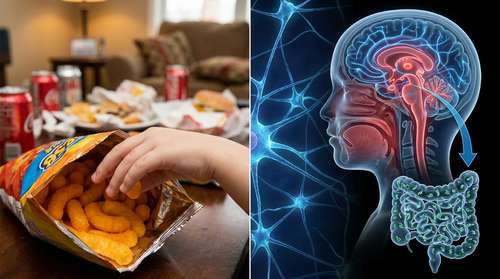
If you have ever wondered why reaching for a fresh vegetable instead of a sugary treat feels like an uphill battle, science finally has an answer. A groundbreaking study published in Nature Communications on May 21, 2026, sheds new light on a growing global health crisis: junk food brain rewiring. Researchers have discovered that early exposure to high-fat, high-sugar diets can permanently alter the brain's neural pathways, explaining why childhood dietary habits are notoriously difficult to break in adulthood.
Led by a team at APC Microbiome Ireland at University College Cork (UCC), this new research reveals that the long-term consequences of a poor early diet extend far beyond childhood obesity. The findings suggest that early dietary exposure leaves a hidden imprint on the brain that dictates feeding behavior long after the junk food is removed from the pantry.
The Hidden Threat to Hypothalamus Appetite Control
To understand the depth of these childhood nutrition impacts, scientists utilized a preclinical mouse model to observe how early development is affected by poor diets. The results were staggering. Regular consumption of energy-dense, nutrient-poor foods during early life caused lasting disruptions in the adult hypothalamus.
The hypothalamus acts as the brain's command center for energy balance and feeding behavior. When young, developing brains are flooded with ultra-processed options, the hypothalamus appetite control mechanisms fundamentally misfire. The study found that even when the subjects were switched to a healthy diet and their body weight completely normalized, the neural damage remained. The brain essentially "forgets" how to properly signal satiety, leaving individuals with a persistent, lifelong craving for highly palatable junk food.
Dr. Harriët Schellekens, lead principal investigator of the study, emphasized that children today are navigating an environment entirely saturated with energy-dense treats. From sports events to birthday parties, these foods are heavily promoted and normalized. Because the neurological changes persist even when a child maintains a normal weight, parents and healthcare providers might falsely believe that an adolescent has escaped the adverse effects of a poor diet. However, the reality is that the ultra-processed foods health risks run much deeper, physically altering the brain's architecture to prioritize caloric density.
Reversing the Damage: Gut-Brain Axis Weight Loss
While the prospect of permanent neurological alterations sounds grim, the UCC researchers uncovered a highly promising therapeutic target: the gut microbiome. The communication network between our digestive tract and our brain is incredibly powerful, and optimizing it can lead to sustainable gut-brain axis weight loss and positive behavioral shifts.
By administering specific microbiota-targeted interventions across the lifespan, scientists successfully prevented and restored the damaged feeding behaviors. One specific beneficial bacterial strain, Bifidobacterium longum APC1472, proved highly effective at mitigating the long-term behavioral effects of an early junk food diet. This discovery positions the microbiome as a crucial shield against modern dietary pitfalls.
Furthermore, the researchers identified that utilizing specific prebiotic fibers for metabolism helped support healthier brain-gut signaling. Prebiotics act as fuel for beneficial gut bacteria. The study specifically highlighted fructo-oligosaccharides (FOS) and galacto-oligosaccharides (GOS)—naturally occurring fibers abundant in everyday foods like onions, garlic, asparagus, leeks, and bananas. By nourishing the microbiome, these prebiotics facilitated a reversal of the persistent feeding alterations caused by the early high-fat, high-sugar diet.
Actionable Strategies: Healthy Eating for Kids 2026
Navigating the modern food landscape requires a proactive and informed approach. Understanding that what children eat physically shapes their brain circuitry makes early dietary intervention absolutely critical. Implementing healthy eating for kids 2026 guidelines means looking beyond simply counting calories, restricting portions, or monitoring the bathroom scale.
The latest guidelines for pediatric nutrition are rapidly evolving in light of these microbiome discoveries. The focus is shifting toward addition rather than subtraction—specifically, adding diverse, fiber-rich plants that feed beneficial gut bacteria to protect the developing brain. Here are evidence-based ways to support healthy neurological development and gut health in children:
- Incorporate Prebiotic-Rich Foods: Add sliced bananas to morning oatmeal or integrate minced garlic and onions into savory dinners to naturally provide vital FOS and GOS fibers.
- Rethink Behavioral Rewards: Avoid using sugary or high-fat foods as a prize for good behavior or academic success. Instead, offer non-food rewards like experiences, stickers, or extra playtime to sever the emotional and neurological connection to junk food.
- Focus on the Microbiome: Support gut health early on with fiber-rich whole foods. If recommended by a pediatrician, evidence-based probiotic strains can further fortify the gut-brain axis, ensuring the communication pathways remain intact.
The revelation that our earliest meals map the future of our brains represents a profound shift in nutritional science. It is not merely a failure of willpower when an adult struggles to turn down a sugary snack; it is often the direct manifestation of brain circuits built during their formative years. By turning our attention to the gut microbiome, we finally have actionable, science-backed tools to untangle the deep-rooted habits established in childhood and restore a healthy, lifelong relationship with food.