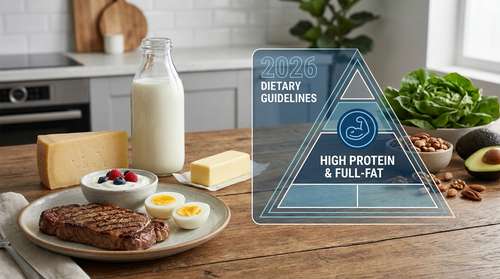
As healthcare networks nationwide formally integrate the updated federal nutrition standards into clinical practice this week of March 13, 2026, the era of the low-fat diet is officially over. The newly overhauled 2026 dietary guidelines represent the most dramatic shift in American nutritional policy in over four decades. By boldly replacing a carb-heavy, fat-fearing ideology with a stark emphasis on whole foods and robust macronutrients, the federal government is attempting to tackle the nation's chronic disease epidemic head-on. For everyday adults navigating the grocery store aisles, this means your shopping list—and your dinner plate—is about to look fundamentally different. The days of avoiding natural fats and skimping on meat are entirely behind us.
High Protein Requirements 2026: Doubling the Standard
Perhaps the most shocking departure from previous advice is the massive increase in baseline protein recommendations. For generations, the standard hovered at a modest 0.8 grams per kilogram of body weight—a metric originally established primarily to prevent severe malnutrition rather than to optimize long-term health and physical resilience.
Under the new framework, the high protein requirements 2026 standards instruct adults to consume between 1.2 and 1.6 grams of protein per kilogram of body weight daily. For a typical 150-pound adult, this translates to roughly 82 to 109 grams of protein every single day. Clinical dietitians are currently advising patients to anchor every meal with at least 30 grams of high-quality protein to hit these ambitious targets without relying on artificial supplements.
This aggressive pivot regarding protein intake for adults is deeply rooted in modern metabolic science. Health experts note that prioritizing protein helps stabilize blood glucose, preserves crucial lean muscle mass during the aging process, and provides the satiety necessary to prevent mid-day snacking. Whether you source it from lean poultry, pasture-raised eggs, lentils, or red meat, protein is now the undisputed centerpiece of the American meal.
Reversing Decades of Advice: Full-Fat vs Low-Fat Dairy
If you grew up choking down skim milk and watery fat-free yogurts in the name of cardiovascular health, the latest government advice might induce a bit of nutritional whiplash. In a sweeping reversal of historical precedent, the new guidelines explicitly recognize that artificially removing fat from dairy products typically results in heavy sugar supplementation to compensate for lost flavor and texture.
The long-standing debate of full-fat vs low-fat dairy has officially been settled in federal policy. The 2026 dietary guidelines actively encourage the consumption of whole milk, full-fat cheeses, and unsweetened traditional yogurts. Furthermore, minimally processed cooking fats that were once heavily vilified—including real butter and even beef tallow—are now classified as acceptable whole-food alternatives to the heavily refined, inflammatory seed oils that dominate restaurant fryers.
While the overall cap on saturated fat technically remains at 10 percent of your daily caloric intake, the underlying message is remarkably clear: naturally occurring fats found in whole foods are vastly superior to the highly processed, artificial substitutes that monopolized the diet industry throughout the 1990s and early 2000s.
Decoding the New Food Pyramid 2026
Visual learners will immediately notice that the iconic nutritional triangle has been completely inverted. The new food pyramid 2026 turns the classic 1992 model upside down, structurally eliminating the massive, carbohydrate-heavy base of refined breads, cereals, and pastas that once fueled the nation's breakfasts.
Instead, the widest, most prominent top sections of this inverted pyramid are now dedicated strictly to protein, healthy fats, and fibrous vegetables. Whole grains certainly still make an appearance in a balanced lifestyle, but they have been sharply reduced to a much smaller foundational tier, with experts suggesting just two to four targeted servings per day.
Strict Caps on Hidden Sugars
Alongside the restructured visual pyramid comes a harsh, uncompromising crackdown on artificial sweeteners and hidden sugars. The latest rollout introduces a strict maximum limit of 10 grams of added sugar per meal for adults, while adamantly recommending absolutely zero added sugars for children under the age of 11. Nutritionists across the country are actively utilizing this metric right now to steer patients away from deceptively sweet packaged items like flavored instant oatmeal, fruit juices, and commercial granola bars.
The Rise of the Metabolic Health Diet
Ultimately, these sweeping federal changes reflect broader whole food nutrition trends that have been steadily gaining traction in functional medicine and sports nutrition for years. The government is finally adopting a holistic approach designed to combat the skyrocketing rates of obesity, type 2 diabetes, and cardiovascular distress that plague modern society.
By heavily discouraging ultra-processed packaged goods in favor of real, single-ingredient foods, the 2026 dietary guidelines essentially endorse a mainstream metabolic health diet. As medical professionals spend this month updating their clinical literature and patient portals to match the new federal standards, the overarching takeaway is refreshingly simple and universally applicable: eat real food, prioritize your daily protein, and stop fearing natural fats. The era of extreme restriction is over, making way for a more nourishing, sustainable approach to human health.