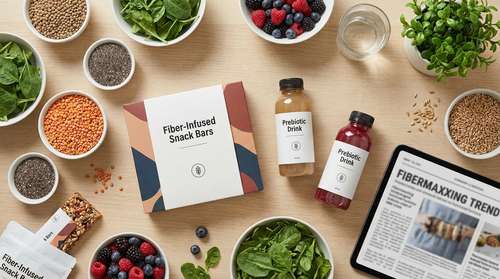
If you have scrolled through wellness social media in May 2026, you have likely encountered the fibermaxxing trend. What began as a digital push to bridge the massive American "fiber gap" has morphed into a multi-billion-dollar industry shift. Data shows that a staggering 95% of adults fail to meet the recommended 25 to 38 grams of daily fiber. This glaring nutritional void, combined with skyrocketing gut health awareness, is completely reshaping how we eat. From prebiotic sodas to fortified macaroni, the race to optimize digestion is moving out of the produce aisle and straight into the snack food aisle.
Big Brands Bank on High Fiber Foods for Gut Health
The food industry is eagerly capitalizing on this shift. Earlier this year, PepsiCo CEO Ramon Laguarta confidently declared that "fiber will be the next protein". The beverage giant backed up that claim by aggressively expanding its portfolio, highlighted by its $1.95 billion acquisition of prebiotic soda brand Poppi, alongside launching fiber-enriched versions of Smartfood popcorn and SunChips this spring.
Kraft Heinz has similarly joined the movement, recently rolling out a fiber-fortified version of its classic Mac & Cheese to major retailers. As consumers increasingly seek out high fiber foods for gut health, traditional snacking boundaries are blurring. The rapid rise of fiber-infused drinks, such as Coca-Cola's recently launched Simply Pop containing six grams of prebiotic fiber, signals a fundamental change in formulation strategy. Thirsty consumers are no longer just looking for hydration or a quick caffeine fix; they want functional beverages that actively feed their microbiome without sacrificing flavor.
The GLP-1 Factor and Functional Snacking
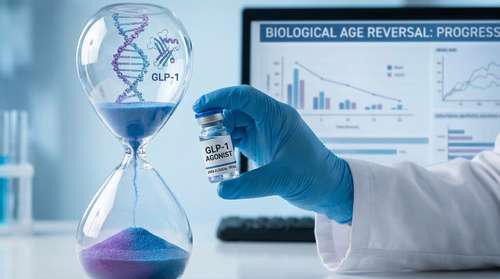
Why the sudden, explosive obsession? One massive catalyst driving nutrition trends 2026 is the widespread adoption of GLP-1 weight-loss medications. Because these popular drugs naturally slow gastric emptying, users often experience gastrointestinal sluggishness, making dietary fiber intake absolutely crucial for preventing severe constipation.
This medical reality has created a booming market for functional snacking. People desperately want the well-documented benefits of dietary fiber—such as blood sugar regulation, sustained satiety, and improved cholesterol profiles—without having to consume massive plates of raw broccoli or gritty supplements. Food manufacturers have cracked the code by extracting soluble fibers like inulin, chicory root, and resistant maltodextrin, then seamlessly blending them into cookies, gummies, and ready-to-drink shakes. These engineered ingredients dissolve completely, leaving no chalky texture, making them an incredibly easy sell to modern health-conscious buyers.
Why Nutritionists Are Issuing Warnings
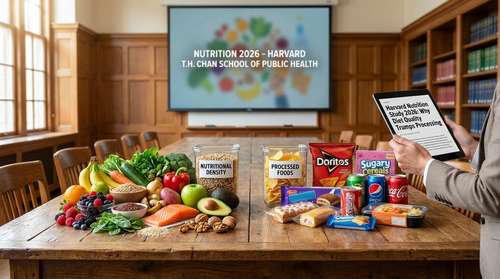
Despite the undeniable need to close the national fiber gap, medical professionals and dietitians are urging caution. The fundamental problem with extracting fiber from its natural source and injecting it into highly processed foods is the loss of synergistic nutrients.
Joanne Slavin, a food-science and nutrition professor at the University of Minnesota, notes that while she prefers people get their fiber from plants, fruits, and whole grains, she acknowledges the practical need to "meet them where they are". However, isolated fibers simply do not behave exactly like whole foods in the human body. When you eat an apple, a handful of almonds, or a bowl of lentils, the fiber works in complex tandem with essential vitamins, minerals, and antioxidants. A gummy bear or processed snack cake pumped full of chicory root entirely lacks this rich nutritional matrix.
Furthermore, rapid and extreme increases in intake—the core concept of "maxxing" out your macros overnight—can severely backfire. Hitting your digestive system with 40 grams of sudden, isolated fiber can trigger painful bloating, trapped gas, and severe gastrointestinal distress.
Optimizing Your Metabolic Health Safely
If you are actively trying to improve your metabolic health through increased fiber consumption, pacing is everything. Clinical dietitians heavily recommend adding just a few grams to your daily intake every few days, allowing your delicate gut microbiome time to adapt to the new workload. Equally critical is hydration; fiber essentially acts as a sponge, meaning it needs substantial water to move smoothly through your digestive tract and perform its sweeping function.
The Future of the American Diet
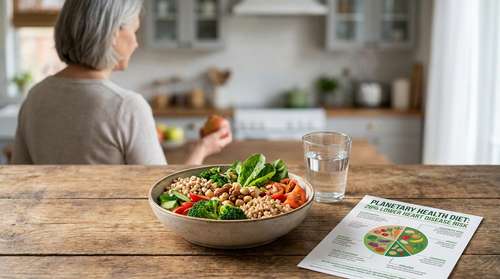
The renewed cultural spotlight on digestion is undeniably positive. Americans are finally discussing colon health, microbiome diversity, and digestion as standard, daily wellness topics rather than taboo subjects. However, as grocery store shelves continue to fill with heavily marketed, fortified snacks, consumers must remain discerning. A highly processed candy bar with added inulin is still ultimately a candy bar. To truly harness the power of this dietary movement, the foundation of your plate should remain firmly rooted in whole vegetables, legumes, and intact grains, utilizing functional treats only as supplementary bridges to hit your daily nutritional goals.