Does your child have a summer birthday? If so, they might face an unexpected vulnerability this upcoming respiratory season. According to a groundbreaking JAMA Pediatrics study 2026 published on June 1, children born during the summer months are significantly less likely to receive the annual pediatric flu vaccine—and correspondingly more likely to contract the influenza virus—than their autumn-born peers. This surprising link between a child's birth month and their respiratory health highlights a crucial gap in standard childhood immunizations. With federal health protocols shifting and flu seasons remaining unpredictable, understanding this dynamic is more critical than ever. The new research offers a compelling look at how a simple scheduling quirk can have real-world consequences for your family's health.
The Hidden Link Between Birthdays and Summer Birthday Flu Risk
Why does the month your baby was born dictate their likelihood of catching the flu? The answer lies in the routine schedule of pediatric healthcare visits. Young children, particularly those aged two to five, typically visit their healthcare provider for an annual well-child checkup right around their birthday. Because the new seasonal influenza vaccine is generally released and distributed to clinics in mid-August, children with fall birthdays naturally receive their jab during this scheduled appointment.
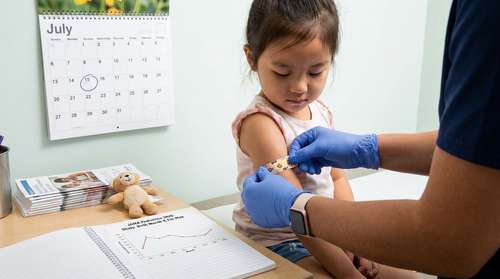
In contrast, those born in June, July, or early August visit the doctor before the updated vaccine is available. This forces parents of summer-born kids to schedule an entirely separate appointment later in the autumn. Amid busy back-to-school schedules and everyday life, this extra trip is frequently forgotten or delayed. As a result, this logistical hurdle creates a genuine summer birthday flu risk, leaving these children unprotected during the peak viral season.
Flu Shot Effectiveness Kids Need: What the Data Shows
The latest research doesn't just point out a scheduling flaw; it leverages this quirk to provide concrete data on how well the vaccine actually works. By analyzing data from five typical flu seasons between 2016 and 2023 (excluding the height of the COVID-19 pandemic), researchers tracked infection rates among preschool-aged children.
The Power of a "Natural Experiment"
Because birth months are random, researchers were able to conduct a "natural experiment." This allowed them to observe vaccine efficacy without the ethical and logistical hurdles of a randomized clinical trial. The findings were incredibly striking and offer definitive proof of the flu shot effectiveness kids and their families can rely on.
According to senior author Anupam B. Jena, MD, PhD, a physician and health policy researcher at Harvard University, the numbers speak for themselves. For every 100 young children who received the pediatric flu vaccine, there were 9 to 14 fewer diagnosed influenza cases. While that might seem like a modest percentage at first glance, across the United States, that translates to hundreds of thousands—if not up to a million—avoided infections every single year. During the 2024-25 flu season alone, influenza resulted in 280 pediatric deaths, underscoring exactly why preventing these infections remains a top medical priority.
Navigating the Shifting CDC Childhood Vaccine Guidelines
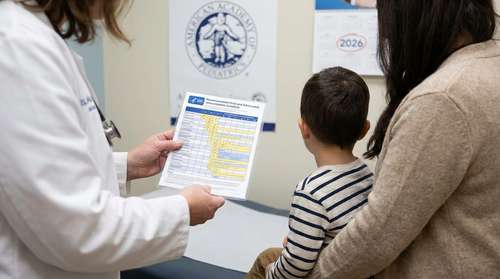
These findings arrive at a pivotal moment for public health. In January 2026, the discussion around routine inoculations intensified when controversial changes were proposed to the CDC childhood vaccine guidelines. The agency briefly removed the flu vaccine from its standard recommended childhood schedule, shifting toward a model of "shared clinical decision-making" between parents and doctors. Officials cited a perceived lack of large-scale evidence demonstrating that the vaccine effectively prevents serious illness in children.
While a federal court temporarily blocked this recommendation change in March 2026, the JAMA Pediatrics study 2026 directly addresses the government's stated concerns. The study's authors note that their massive dataset provides exactly the hard, data-driven evidence of efficacy that policymakers claimed was missing. By highlighting how the vaccine significantly drives down infection rates at a population level, the research firmly supports the continued promotion of childhood immunizations for toddlers and preschoolers.
Actionable Family Health Tips to Protect Your Summer Baby
If you have a child with a summer birthday, you don't have to accept this statistical disadvantage. You can take proactive steps to ensure your child remains safeguarded. Here are several practical family health tips to help you close the vaccination gap:
- Set a Calendar Reminder: Don't rely on memory alone. Set an alert on your smartphone for early September to call your pediatrician's office and book a dedicated flu shot appointment.
- Utilize Flu Clinics: Many pediatric offices and local pharmacies host walk-in flu shot clinics in late September and October. These targeted visits often require much less time than a standard doctor's appointment.
- Coordinate Siblings: If you have an older child with a fall well-child visit, ask your provider if you can bring your summer-born toddler along to receive their dose at the same time.
- Stay Informed: Keep an eye on updates to the CDC childhood vaccine guidelines and have open conversations with your pediatrician about the best protective measures for your family.
By understanding the unique scheduling challenges that create a summer birthday flu risk, parents can take control of their family's health. This latest research underscores that a simple autumn appointment remains a powerful tool in keeping our children safe and healthy all winter long.