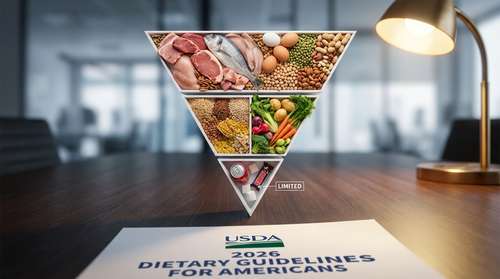
The federal government has officially flipped the script on how we eat. Following the recent rollout of the new USDA guidance portal on April 7, 2026, the 2026 Dietary Guidelines for Americans are now in full effect. The most visually striking—and highly debated—change is the complete replacement of the familiar MyPlate graphic with a boldly redesigned inverted food pyramid. This major structural shift officially overturns decades of carb-heavy advice, directing Americans to embrace a protein-centered diet and drastically cut back on manufactured food products. If you have spent your life meticulously avoiding dietary fat while loading up on grains, these new USDA nutrition rules require a fundamental rewrite of your grocery list.
Decoding the Inverted Food Pyramid
For over thirty years, federal nutrition policy placed bread, cereal, rice, and pasta at the foundational base of our daily diet. The new inverted food pyramid flips that logic completely upside down. The widest section at the top of the graphic now features high-quality animal and plant proteins, full-fat dairy, healthy fats, and a robust variety of vegetables and fruits.
Whole grains have been explicitly relegated to the narrowest tip at the bottom, indicating they should be consumed in strict moderation. Refined carbohydrates, meanwhile, have essentially been phased out of the recommended daily pattern. This design visualizes a core shift toward stringent metabolic health standards, prioritizing foods that stabilize blood sugar rather than those that cause rapid, dangerous glucose spikes. Dietitians across the country are currently working to help patients understand that whole grains are no longer the enemy, but they are no longer the main event, either.
Embracing a Protein-Centered Diet for Metabolic Wellness
Why the sudden promotion of steak, eggs, and whole milk at the very top of federal guidelines? The latest clinical research driving the 2025-2030 framework highlights that a protein-centered diet is crucial for maintaining lean muscle mass, regulating hormones, and achieving natural satiety. By prioritizing nutrient-dense whole foods over heavily processed carbohydrate alternatives, the updated framework aims to curb the national obesity and prediabetes epidemics, which currently affect over 70% of American adults.
Federal health officials now recommend noticeably increasing daily protein targets. Rather than relying on the previously modest baseline of 0.8 grams per kilogram of body weight, adults are encouraged to hit up to 1.6 grams, sourcing rich, natural proteins at every single meal. Importantly, the guidelines clarify that these should be pure, unadulterated sources—think fresh seafood, poultry, lentils, and pasture-raised eggs, rather than packaged protein bars packed with artificial fillers. Healthy fats from whole-food sources like avocados, olive oil, and nuts are no longer restricted but celebrated as essential components of a balanced plate.
Navigating the Added Sugar Limits 2026
Perhaps the most aggressive policy change in the entire 2026 reset is the strict cap on hidden sweeteners. The added sugar limits 2026 mandate introduces a hard boundary: no more than 10 grams of added sugar per meal.
For the average consumer, this requires a massive behavioral adjustment. A standard flavored yogurt or a single serving of commercial pasta sauce can easily exceed this 10-gram threshold. The rule is designed to force food manufacturers to reformulate their products while teaching consumers to read labels with intense scrutiny.
The End of the Sugar-Coated Breakfast
Mornings will see the biggest transformation under these new parameters. The traditional American breakfast of sweetened cereals, maple syrup-drenched waffles, and large glasses of fruit juice entirely violates the new cap. Instead, the emphasis is on savory, high-fat, and protein-rich morning meals that align with the government's push for "real food" and sustained, crash-free energy.
The Official Crackdown on Ultra-Processed Foods 2026
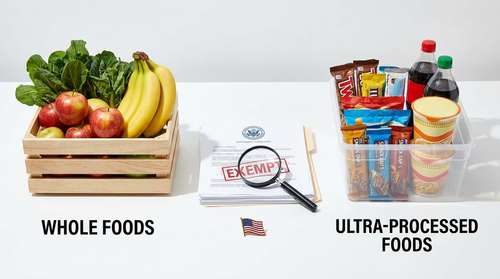
You cannot fully understand the new nutritional landscape without addressing the elephant in the supermarket aisles. The guidelines issue an unprecedented federal warning against manufactured, hyper-palatable food items. The messaging surrounding ultra-processed foods 2026 is uncompromising: reduce them dramatically or eliminate them altogether.
The updated scientific consensus points directly to ultra-processed products—particularly those containing refined seed oils, artificial emulsifiers, and synthetic preservatives—as primary drivers of gut dysbiosis, cardiovascular disease, and chronic inflammation. This means that even foods masquerading as "healthy," like commercially modified oat milks or hyper-processed plant-based meat alternatives, fall out of favor under the new USDA nutrition rules. The focus has squarely shifted back to agricultural basics. If an item requires a chemistry lab to produce, it no longer fits the national definition of a nutritious diet.
The medical community has largely embraced these updates. Organizations like the American Medical Association have publicly applauded the new directives, noting that clearly defining ultra-processed foods and recognizing food as medicine will give physicians better tools to treat diet-related illnesses. However, the structural transition will require serious adjustments.
As school cafeterias, healthcare facilities, and federal programs scramble this week to align with the April 2026 implementation rollouts, everyday shoppers face their own learning curve. By focusing on single-ingredient foods, keeping a close eye on sugar labels, and prioritizing high-quality protein, you can successfully adapt your plate to meet the nation's new standard for health and vitality.