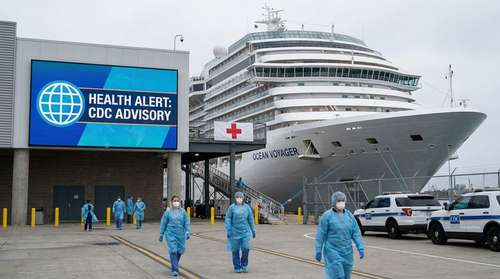
As the peak summer vacation season approaches, health authorities are closely monitoring a rare, deadly viral cluster linked to international waters. The Centers for Disease Control and Prevention (CDC) recently issued an emergency cruise ship health alert via its Health Alert Network following the discovery of a multi-country hantavirus outbreak 2026. The crisis, tracing back to the MV Hondius cruise vessel in the South Atlantic Ocean, has prompted a swift, globally coordinated response. With the implementation of a CDC travel advisory May 2026, officials are urging clinicians and travelers to stay extremely vigilant regarding severe respiratory illnesses.
Decoding the Hantavirus Outbreak 2026 Aboard the MV Hondius
The ongoing situation began unfolding when the World Health Organization (WHO) was notified of severe acute respiratory infections among passengers on a Dutch-flagged expedition ship. The vessel, which departed from Ushuaia, Argentina, in early April, carried 147 passengers and crew members across remote destinations like Antarctica, Tristan da Cunha, and South Georgia Island.
By mid-May, the WHO confirmed 11 cases associated with the vessel, including three tragic fatalities. Laboratory testing swiftly identified the culprit as the Andes virus, a specific and highly dangerous strain of hantavirus endemic to South America. In response to this hantavirus outbreak 2026, American passengers were safely repatriated and transported to high-level biocontainment units, including specialized facilities at Emory University Hospital in Atlanta and the University of Nebraska Medical Center.
Identifying Cruise Ship Illness Symptoms and Andes Virus Progression
When evaluating the risk factors, infectious disease specialists point out that the Andes strain behaves differently than the hantaviruses typically found in North America. While most hantaviruses are contracted solely through inhaling aerosolized particles from infected rodent droppings or urine, the Andes virus is unique because it is capable of limited person-to-person transmission. This unusual biological trait makes confined environments, such as marine vessels and airplanes, particularly susceptible to transmission.
Travelers and medical professionals must be able to recognize early Andes virus symptoms. According to the CDC, the incubation period can range anywhere from four to 42 days, leaving a long window for travelers to fall ill after returning home. Initial cruise ship illness symptoms often mirror the flu or other common bugs. Patients frequently experience high fever, severe muscle aches, persistent headaches, and significant gastrointestinal distress, including nausea and vomiting.
Within a matter of days, these initial signs can rapidly deteriorate into Hantavirus Pulmonary Syndrome (HPS). This severe complication causes fluid to fill the lungs, leading to acute respiratory distress syndrome and shock. Because these clinical signs overlap with common travel-related infections, anyone returning from South American regions or affected vessels who develops such ailments should seek immediate emergency medical care and disclose their travel history to providers.
Ensuring Family Travel Safety During the Summer Season
Hearing about an international viral cluster is undeniably frightening for vacationers, but federal health officials emphasize that the general risk to the American public remains extremely low. For those currently finalizing summer itineraries, prioritizing family travel safety simply means staying informed and maintaining standard hygiene practices without resorting to panic.
The CDC has not recommended canceling general maritime vacations. However, the CDC travel advisory May 2026 serves as a crucial reminder to practice situational awareness, particularly on niche expedition trips. Public health authorities across Europe and the United States are actively tracking secondary contacts from the MV Hondius flights to prevent any localized spread. Because there is currently no specific vaccine or antiviral treatment approved for the Andes virus, supportive care—such as intubation and oxygen therapy in an intensive care unit—is the only medical intervention available for HPS.
Practical Hantavirus Prevention for Families on the Go
Preventing hantavirus primarily revolves around robust rodent control and avoiding contact with wildlife. Effective hantavirus prevention for families involves a few fundamental rules when exploring nature, especially in regions where the virus is endemic:
- Steer clear of rodents: Never touch, feed, or encourage interaction with wild mice or rats, even if they appear harmless. Keep your distance from nesting areas.
- Avoid enclosed, unventilated cabins: If your family travel safety checklist includes hiking or staying in rustic cabins, air out the space for at least 30 minutes before entering.
- Practice safe cleanup: Should you discover rodent droppings in your vacation rental, do not sweep or vacuum them dry, as this aerosolizes the viral particles. Instead, spray the area with a bleach solution and wipe it down safely.
- Monitor health post-trip: Keep a close watch for delayed cruise ship illness symptoms or respiratory distress for up to six weeks after returning from rural environments or affected international voyages.
How the Global Health Network is Containing the Threat
The ongoing hantavirus outbreak 2026 highlights the critical necessity of a coordinated international health strategy. The CDC continues to collaborate seamlessly with the WHO and local public health departments across multiple states—including Maryland, California, and Virginia—to monitor exposed passengers. Quarantine measures, comprehensive contact tracing, and 24/7 port health station monitoring have effectively prevented the Andes virus from establishing a foothold in the United States.
While the global medical community works to contain the remaining cases from this unprecedented cruise ship health alert, families can rest assured that aggressive public health strategies are working. By staying informed about the latest travel advisories and recognizing early Andes virus symptoms, travelers can protect themselves and safely enjoy their upcoming summer adventures.