As families across the nation prepare to celebrate Mother's Day this weekend, a sobering reality is coming to light for millions of women. While pregnancy often brings intense medical supervision, the period immediately following childbirth is a different story. According to the groundbreaking postpartum cliff JAMA study 2026 published this week on May 6, nearly half of new mothers are forced to seek medical care in emergency rooms for preventable issues due to a systemic lack of support.
The research, co-authored by experts from the Harvard T.H. Chan School of Public Health and Mass General Brigham, highlights a critical period of vulnerability. Researchers, led by co-senior author Jessica Cohen, use the term 'postpartum cliff' to describe the sudden and dangerous drop-off in structured medical guidance that leaves women navigating complex physical and emotional recoveries entirely on their own.
Understanding the Fourth Trimester Healthcare Gap
During pregnancy, a woman's health is meticulously monitored with routine check-ups, blood work, and lifestyle counseling. However, the moment the baby is born, that structured care often vanishes. This abrupt transition creates a severe fourth trimester healthcare gap, forcing patients to fend for themselves during one of the most physically and emotionally taxing periods of their lives.
Cohen notes that the health system frequently becomes harder to navigate after delivery. Patients are suddenly tasked with scheduling new appointments, managing potential insurance changes, and coordinating their own follow-up care. All of this administrative burden falls on the shoulders of individuals who are simultaneously caring for a newborn and recovering from a major medical event.
When the system fails to provide a seamless transition from obstetric to primary care, mothers inevitably fall through the cracks. The lack of proactive scheduling and accessible medical guidance transforms minor health concerns into crises, driving patients toward the only healthcare access point that is always open: the emergency room.
The Surge in New Mother Emergency Room Visits
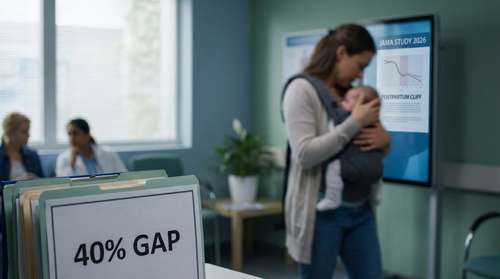
The statistics uncovered by the recent study in JAMA Network Open are staggering. Researchers tracked 353 pregnant or recently postpartum patients who had at least one comorbidity, such as anxiety, depression, obesity, or gestational diabetes. They discovered that a shocking 40% of participants visited an emergency room or urgent care facility at least once in the year following childbirth.
Even more concerning is that more than three-quarters of these new mother emergency room visits were for concerns that are typically manageable in a primary care provider's office. Patients were seeking immediate care for conditions like minor infections, postpartum headaches, or routine illnesses. This over-reliance on emergency care comes at an unnecessarily high cost to both the patient and the medical system, often resulting in fragmented, lower-quality care.
Furthermore, fragmented emergency care does little to address the notoriously high maternal mortality rate USA currently faces. Many maternal deaths and severe complications occur in the weeks and months after childbirth. Without the continuity of a dedicated primary care provider, early warning signs of life-threatening conditions like severe infection can easily be missed in a crowded, fast-paced emergency department.
The Critical Need for Maternal Mental Health Support
Physical ailments are only one piece of the puzzle. The postpartum period is highly dynamic neurobiologically, presenting a heightened risk for psychological distress. When the medical safety net vanishes, so does immediate access to maternal mental health support.
Patients who experienced comprehensive mental health screening during pregnancy often find themselves starting from scratch postpartum. Intrusive thoughts, severe sleep deprivation, and signs of postpartum depression are frequently overlooked until they reach a crisis point. Integrating mental wellness checks into routine primary care follow-ups is essential for comprehensive family wellness and maternal health, ensuring that mothers receive the holistic support they desperately need.
Bridging the Divide: Postpartum Care Reform 2026
While the statistics are grim, the recent study also offers a proven, highly effective solution. Researchers tested an intervention designed specifically to ease the postpartum transition and reduce the administrative burden on new parents. By simply scheduling primary care visits automatically within the first four months after birth and sending tailored text reminders, the healthcare system saw dramatic improvements.
Participants who received this facilitated reconnection with their primary care providers sought emergency care for non-urgent issues far less frequently. The intervention was associated with a massive 10-percentage-point reduction in emergency care visits for preventable conditions. This data proves that postpartum care reform 2026 doesn't necessarily require entirely new medical technologies; it requires administrative empathy and logistical support.
Simplifying the transition from pregnancy to primary care helps patients get the right care in the right place, successfully bridging the postpartum cliff. As we honor mothers this weekend, it is time for the healthcare industry to move beyond celebratory sentiments and deliver actionable changes. True support means ensuring that no mother is left to navigate the healthcare gap alone, transforming the fragile fourth trimester into a period of comprehensive care and genuine healing.