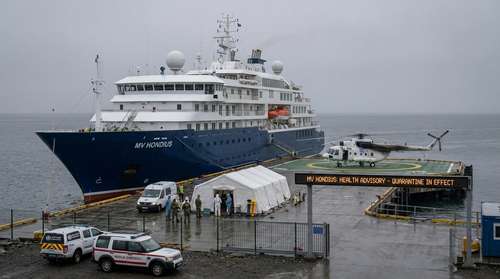
A luxury polar voyage has transformed into a maritime nightmare following the confirmation of a deadly illness at sea. The tragic hantavirus cruise ship 2026 crisis has already claimed the lives of three passengers and left several others hospitalized in critical condition. With the vessel currently stalled off the coast of West Africa, international health officials are scrambling to contain the situation. For travelers and loved ones watching the crisis unfold, this unprecedented event has raised urgent questions about infectious diseases and safety protocols on the open water.
The MV Hondius Virus Outbreak Unfolds
The devastating MV Hondius virus outbreak began weeks after the polar exploration vessel departed from Ushuaia, Argentina, in March. Carrying roughly 150 people—including 88 passengers and 61 crew members from nations like the United States, United Kingdom, and Spain—the ship was navigating a multi-week Atlantic Odyssey toward Antarctica and the South Atlantic islands.
Tragically, three individuals have died, including a Dutch married couple in their late 60s and 70s, and a German national. The husband passed away on the ship before his body was removed in Saint Helena, while his wife later died in a South African hospital following an emergency medical evacuation. Currently, the World Health Organization (WHO) is actively investigating the crisis as the ship waits near Praia, Cape Verde. Local authorities have prohibited passengers from disembarking while medical teams coordinate urgent evacuations.
Stranded passengers are enduring immense psychological stress. Travel blogger Jake Rosmarin, a US citizen aboard the vessel, posted an emotional video pleading for understanding, stating that they are "people with families," not just news headlines. Alongside the fatalities, a British national remains in critical but stable condition in a Johannesburg intensive care unit, while medical teams attempt to evacuate two symptomatic crew members. This rapidly developing situation is currently the most concerning piece of cruise ship medical emergency news worldwide.
Understanding Rodent-Borne Diseases on Cruise Ships
While maritime norovirus outbreaks are somewhat common, a severe viral respiratory infection of this nature is exceedingly rare at sea. Understanding the presence of rodent-borne diseases on cruise ships requires looking at the vessel's origin. The ship began its journey in South America, a region where highly dangerous strains of hantavirus are endemic. A previous outbreak in southern Argentina back in 2019 resulted in at least nine fatalities, highlighting the severe endemic risk in the Patagonia region.
Experts suggest two plausible scenarios for the exposure. Passengers might have encountered the virus during a shore excursion in an endemic area before boarding, or infected rodents may have accessed the ship's lower storage areas while docked. The disease is typically contracted when humans inhale aerosolized particles from infected rodent droppings, urine, or saliva. Although human-to-human transmission is extremely rare with most strains, the South American Andes variant is a notable exception that can occasionally spread between close household contacts.
Hantavirus vs Flu Symptoms: What to Watch For
Because the incubation period for the illness can range anywhere from one to eight weeks, pinpointing the exact moment of exposure for these passengers has proven difficult. For loved ones monitoring the situation, distinguishing hantavirus vs flu symptoms is a critical early step in recognizing the danger.
During the initial phase of the infection, patients typically experience generalized, flu-like signs. These include profound fatigue, fever, and severe muscle aches, particularly in the large muscle groups like the thighs, hips, and back. Nausea, vomiting, and abdominal pain are also commonly reported. Because these early indicators mimic everyday seasonal illnesses, rapid diagnosis is incredibly challenging without specialized lab tests.
Symptoms of Hantavirus Pulmonary Syndrome
As the illness progresses—usually around four to ten days after the initial phase—the virus aggressively attacks the lungs and cardiovascular system. The defining symptoms of hantavirus pulmonary syndrome include a sudden onset of coughing and severe shortness of breath. Patients describe the sensation as a tight band around their chest as their lungs rapidly fill with fluid. In some cases, the virus can also trigger catastrophic kidney failure and hemorrhagic fever. There is no specific cure or antiviral treatment for the disease, making early intensive medical intervention, such as intubation and oxygen therapy, vital for survival.
Family Travel Health Safety Amid the Crisis
As the vessel remains quarantined off the African coast, stranded passengers wait anxiously for clearance to return home. For those currently booking global vacations, this event highlights the immense importance of comprehensive family travel health safety.
The WHO emphasizes that the wider public risk remains incredibly low, and there is no need to panic or cancel standard travel plans. However, tourists visiting regions known for endemic viruses should exercise caution during outdoor excursions, avoid areas with visible rodent activity, and immediately report any unusual post-vacation illnesses to a physician. Furthermore, ensuring that your travel insurance policy covers emergency medical evacuations is essential. An airlift from a remote island or ship can be complex and costly. As this tragic event demonstrates, staying informed and prioritizing emergency medical planning is a crucial part of modern exploration.