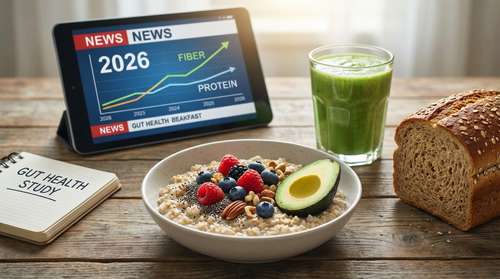
For years, the fitness industry has worshipped at the altar of protein. From shakes to bars to fortified cereals, macronutrient trends have heavily favored the building blocks of muscle. However, a cultural shift is underway. "Fibermaxxing"—the viral wellness trend of intentionally maximizing daily plant fiber intake—just received major clinical validation. A landmark randomized trial published in the British Journal of Nutrition on March 12, 2026, reveals that front-loading fiber at breakfast not only accelerates fat reduction but fundamentally remodels your digestive system.
The Dawn of 'Fibermaxxing'
If you have scrolled through health feeds recently, you have likely seen fitness enthusiasts blending chia seeds and loading up on legumes. While internet trends often lack scientific backing, researchers have been quietly investigating this phenomenon. As part of our latest healthvot nutrition tips, we analyzed the clinical data behind this plant-heavy approach to see if it actually delivers on its promises.
The concept revolves around eating substantially more than the standard recommended 25 to 30 grams of fiber per day. But the secret isn't just volume; it is timing. By combining massive fiber intake with strategic meal scheduling, participants in recent trials experienced profound physiological changes. The goal of fibermaxxing weight loss is no longer just about feeling full; it is about altering the metabolic environment of the body.
Inside the High Fiber vs High Protein Study
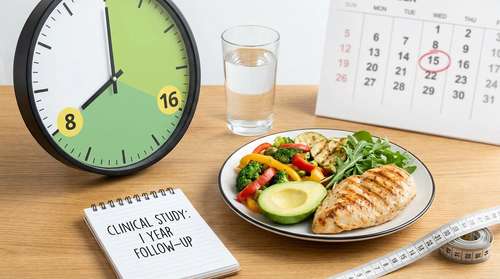
To determine the optimal morning meal, researchers designed a rigorous 28-day crossover trial. The high fiber vs high protein study instructed adults with overweight profiles to consume a "big breakfast" diet, where 45% of daily calories were eaten in the morning, 35% in the afternoon, and 20% in the evening.
The results were striking. While the high-protein group reported excellent appetite suppression, the high-fiber group actually lost significantly more weight—shedding an average of 4.87 kilograms compared to the protein group's 3.87 kilograms. Even more importantly, the fiber group experienced a superior reduction in body fat percentages while maintaining vital resting metabolic functions.
Defining Gut Microbiome Health 2026
Weight reduction is only half the story. The true breakthrough lies in the gastrointestinal tract. Scientists analyzing the participants' fecal profiles noted a massive surge in beneficial bacteria, specifically Bifidobacteria and butyrate-producing strains like Faecalibacterium and Roseburia. These microbes ferment dietary fiber into short-chain fatty acids (SCFAs), which are crucial for reducing systemic inflammation and improving insulin sensitivity.
This microbial shift represents the pinnacle of gut microbiome health 2026. Instead of merely starving the body to force fat loss, the fiber-heavy breakfast acts as a prebiotic fertilizer. It cultivated an internal ecosystem that naturally regulated fasting blood glucose levels throughout the entire day, proving that long-term digestive vitality requires diverse, complex carbohydrates rather than just isolated amino acids.
Aligning with Your Body's Internal Clock
Why does eating this way in the morning matter so much? The answer lies in human biology. By utilizing chrononutrition meal timing, researchers matched food intake with the body's natural peaks in insulin sensitivity and energy expenditure. Our digestive systems are primed to process complex nutrients early in the active phase of our day.
When you consume a massive dose of fiber at 8:00 AM, you establish a slow, steady release of energy that carries you through the afternoon. This perfectly supports your metabolic health circadian rhythm. Eating a heavy, fiber-rich dinner, by contrast, often leads to digestive distress and disrupted sleep, as the body attempts to process complex carbohydrates while winding down for the night.
The Best High Fiber Foods for Weight Loss
Transitioning to a fiber-forward morning routine requires strategic grocery shopping. You cannot simply eat five bowls of processed bran cereal and expect clinical results. The researchers utilized a diverse matrix of soluble and insoluble fibers to maintain palatability and maximize microbial diversity.
If you want to replicate these clinical results, here are the best high fiber foods for weight loss to incorporate into your early meals:
- Lentils and Fava Beans: Unconventional for a Western breakfast, but packing incredible nutrient density and sustained energy.
- Buckwheat and Steel-Cut Oats: Dense, complex whole grains that form a perfect base for morning bowls.
- Chia and Flax Seeds: Easily mixed into smoothies or soaked overnight, offering massive doses of soluble fiber.
- Berries (Raspberries and Blackberries): Low in sugar but extremely high in fibrous cellular walls.
If you plan to adopt this eating pattern, remember to increase your intake gradually. Jumping from 15 grams to 45 grams of fiber overnight will likely cause temporary gastrointestinal bloating. Drink plenty of water, chew your food thoroughly, and let your biological clock do the heavy lifting.