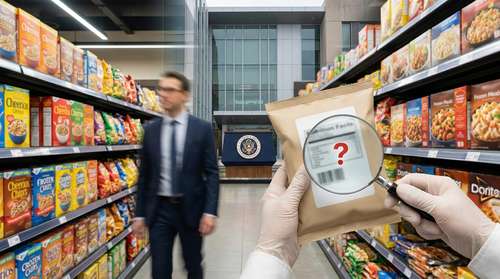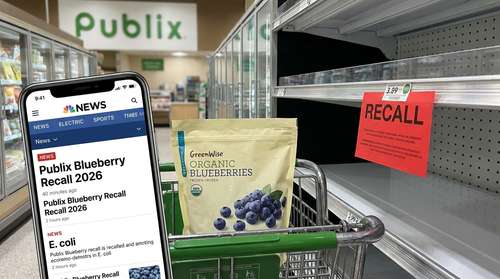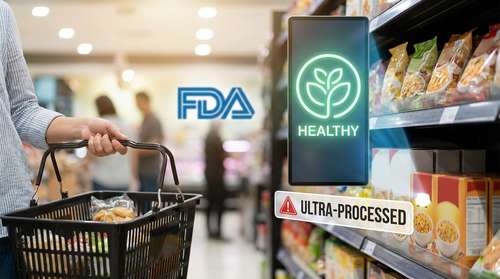
Shoppers are sending a clear message to food manufacturers: they want to know exactly what is in their food, and they are willing to pay a premium for transparency. A breakthrough joint study released in late April 2026 by Tufts University and Oregon State University confirmed that consumers overwhelmingly reach for snacks carrying an official FDA healthy label icon. This sudden influx of data—and the resulting shift in grocery aisle behavior—has prompted federal regulators to fast-track long-awaited packaging reforms.
Welcome to the latest edition of healthvot nutrition news, where we break down how these regulatory shifts will change your next grocery run and impact your overall wellness.
A Mandate from the Grocery Aisle
For years, navigating a product's ingredient list felt like decoding a chemistry textbook. That era is rapidly closing. The recent Tufts and Oregon State study, which observed nearly 300 shoppers across the Boston area, found that institutional trust is the ultimate driver of consumer behavior. When presented with 15 real-world snack products, participants consistently chose items bearing an FDA-endorsed mark over those with generic health claims. Furthermore, they were willing to pay higher prices for that certified peace of mind.
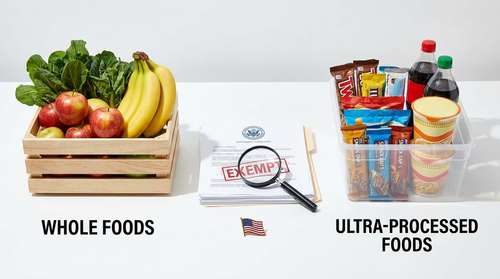
This empirical evidence arrives exactly as the U.S. Health and Human Services (HHS) signals that a formal, federal ultra-processed food definition will be established by the end of April 2026. This marks a historic first for the United States, effectively drawing a hard regulatory line between whole, nutrient-dense foods and industrial formulations.
Red, Yellow, Green: The Future of Front of Package Nutrition Labeling
Armed with this new classification, regulators are overhauling their approach to front of package nutrition labeling. The agency initially proposed a simple, black-and-white "Nutrition Info" box in early 2025 to highlight saturated fat, sodium, and added sugars. However, the concept is now evolving into something much more immediate.
Recent statements from HHS leadership indicate a push for a "red, yellow, green" traffic-light graphic to instantly signal a food's healthfulness based on its processing level and complete ingredient profile. Food manufacturers that rely heavily on artificial additives and emulsifiers will soon face a stark reality: they will no longer be able to hide behind confusing terminology on the back of the box.
The 2026 Dietary Guidelines Summary: Shifting the Paradigm
These packaging updates do not exist in a vacuum. They are direct enforcement mechanisms for the newly overhauled national nutrition standards. If you need a quick 2026 dietary guidelines summary, the most obvious change is the retirement of the familiar MyPlate graphic. In its place stands an inverted food pyramid that champions high-quality protein, whole foods, and healthy fats while pushing heavily processed items to the absolute bottom.
The new federal guidelines represent a seismic shift in dietary philosophy. Key changes include:
- Protein Prioritization: Federal agencies have dramatically increased protein recommendations, boosting them by 50% to 100%.
- Embracing Healthy Fats: The guidelines officially endorse full-fat dairy and fats sourced from avocados, olives, and red meat.
- Strict Sugar Limits: Regulators drew a hard boundary around added sugars, recommending no more than 10 grams per meal.
This framework serves as a stark warning against the "processing paradox," a concept highlighting how foods engineered for extended shelf life are heavily taxing on our metabolic systems.
The Demise of MyPlate
For over a decade, MyPlate served as the visual shorthand for American eating habits. However, experts criticized it for failing to distinguish between the quality of macronutrients—treating a highly refined slice of white bread the same as a serving of quinoa. The new inverted pyramid visually corrects this by placing a heavy emphasis on the sourcing of your calories, rather than just raw metrics. This directly aligns with the broader push to establish a formal ultra-processed food definition.
Clean Labels and the "Fibermaxxing" Phenomenon
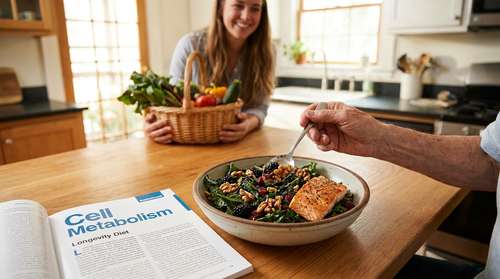
At the consumer level, these federal warnings are translating into massive dietary shifts. Look no further than the fibermaxxing gut health trend dominating social media and wellness forums this spring. Far from a superficial diet fad, "fibermaxxing" involves intentionally maximizing daily fiber intake through diverse, whole-plant sources like chia seeds, legumes, and cruciferous vegetables.
Proponents of this movement aim to eat 30 different plants a week, often exceeding the standard 25 to 38 grams of daily recommended fiber. The goal is nutrient density. Fiber is the primary fuel for the gut microbiome; when beneficial bacteria ferment these plant fibers, they produce short-chain fatty acids (SCFAs), which are critical for metabolic regulation, insulin sensitivity, and the gut-brain axis.
Navigating the Fiber Transition Safely
While the benefits of an optimized microbiome are vast, clinical experts caution against jumping into this trend overnight. Rapidly increasing your fiber load can overwhelm the digestive system, leading to uncomfortable gas, bloating, and potential nutrient malabsorption. Dietitians recommend scaling up by just three to five grams every few days and significantly increasing hydration to ensure the fiber can move smoothly through your digestive tract.
Still, the underlying motivation is clear: shoppers are actively hunting for real, unrefined ingredients, driving massive clean label food trends across the industry.
What This Means for Your Next Grocery Run
The days of misleading "health halos" are numbered. When regulators finalize the FDA healthy label icon alongside mandatory front-of-package warnings, the grocery store will look fundamentally different. Products that once masqueraded as wholesome will be forced to display clear, visual indicators regarding their processing and nutrient loads.
Conversely, brands that meet the strict new criteria will proudly display the coveted FDA certification, securing both consumer trust and a competitive edge. For the everyday shopper, this shift promises less time squinting at microscopic ingredient lists and more time filling your cart with authentic foods that actually nourish your body.