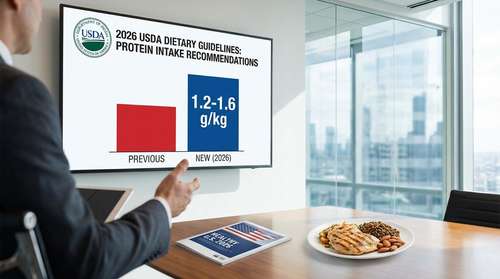
The landscape of American nutrition has just experienced a seismic shift. For decades, federal advice treated macronutrients with a one-size-fits-all approach, often leaving protein as an afterthought. However, the newly released 2026 USDA Dietary Guidelines have fundamentally rewritten the rules for how we eat. In a landmark public health update, the federal government officially doubled the recommended daily protein intake, moving the target from the long-standing 0.8 grams per kilogram of body weight to an optimized range of 1.2 to 1.6 grams per kilogram. This unprecedented change signals a massive departure from survival-level nutrition, placing muscle preservation, metabolic function, and vibrant aging squarely at the top of the newly flipped food pyramid.
The Flipped Food Pyramid: Unpacking the USDA Protein Update
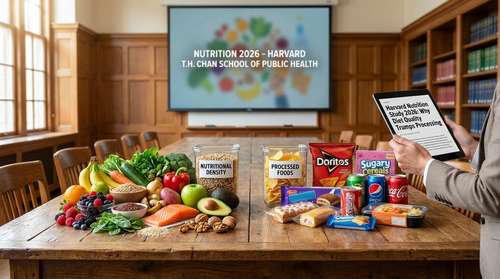
If you grew up with the traditional food pyramid, the latest guidance will look entirely upside down. The most striking element of the USDA protein update is its elevation of nutrient-dense whole foods—specifically focusing on animal and plant proteins—to the foundational stage of daily eating. Previously, the minimum Recommended Dietary Allowance (RDA) of 0.8g/kg meant a 150-pound adult aimed for roughly 54 grams of protein daily. Under the new protein intake recommendations, that same individual is now advised to consume between 82 and 109 grams per day. For heavier or highly active individuals, those numbers scale up significantly.
Why the sudden, drastic leap? Nutrition scientists, clinical researchers, and registered dietitians have long argued that the old RDA was flawed. It was established merely as the lowest amount of nitrogen balance needed to prevent outright deficiency, not the optimal amount needed for human beings to thrive. By adopting these higher targets, the government is finally acknowledging what modern clinical science has demonstrated for years: protein is the absolute cornerstone of a resilient, energetic body.
Why Daily Protein Requirements 2026 Focus on Muscle Maintenance
The science backing the daily protein requirements 2026 framework is heavily rooted in preventing age-related physical decline and improving overall longevity. Sarcopenia, the natural progressive loss of muscle tissue as we age, contributes heavily to frailty, falls, and metabolic dysfunction in older adults. The newly published guidelines prioritize muscle maintenance nutrition as a proactive tool to combat these exact public health issues.
To support real health outcomes, researchers emphasize that daily distribution matters just as much as the total quantity consumed. Most Americans currently eat roughly 10 grams of protein at breakfast, 20 grams at lunch, and a massive 60 grams at dinner. However, the human body cannot efficiently store a massive evening dose of protein for daytime muscle synthesis. Dietitians now recommend aiming for approximately 30 to 40 grams of high-quality protein per meal to trigger muscle protein synthesis evenly and consistently throughout the day.
Balancing Plant and Animal Sources
To hit these elevated numbers without overconsuming calories, the guidelines encourage a diverse, whole-food dietary pattern. Eggs, poultry, full-fat dairy, and red meat are prominently featured and destigmatized in the new guidelines, alongside robust plant sources like lentils, beans, nuts, and soy. This dual approach ensures individuals get a full spectrum of essential amino acids, which are the vital building blocks required for optimal tissue repair and hormone production.
Addressing GLP-1 Diet Protein Needs in Modern Medicine
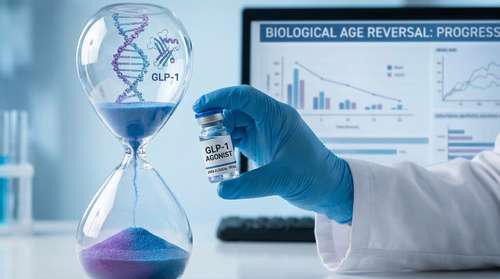
Another urgent driving factor behind this federal nutritional shift is the explosive rise of weight management medications. With millions of Americans now utilizing advanced anti-obesity drugs, understanding and meeting GLP-1 diet protein needs has become a pressing medical priority. Rapid weight loss induced by these medications often results in a significant, dangerous reduction in lean muscle mass alongside body fat.
To counteract this muscle wasting, patients utilizing these treatments are heavily advised by endocrinologists to consume protein on the absolute upper end of the new 1.2–1.6g/kg spectrum. Prioritizing high-quality protein ensures that the weight being lost is primarily adipose tissue rather than muscle, keeping resting metabolic rates healthy and preserving essential functional strength during the weight loss journey.
Maximizing High Protein Diet Benefits in Everyday Life
Incorporating these aggressive targets into your daily routine does not require overhauling your entire life or spending hours meal prepping, but it does demand intentionality. The high protein diet benefits are profound and immediate: enhanced satiety between meals, stabilized blood sugar levels, reduced cravings for ultra-processed foods, and vastly improved body composition.
To implement this successfully, consider front-loading your day. Swap a carbohydrate-heavy breakfast of cereal or toast for a bowl of full-fat Greek yogurt packed with nuts, or a vegetable-dense egg scramble. For lunch and dinner, build your plate explicitly around a 4 to 6-ounce serving of your preferred protein source before adding complex carbohydrates and healthy fats. Even your daily snacks can be optimized—cottage cheese, a handful of almonds, or edamame can effortlessly bridge the nutritional gap between meals.
The 2026 update to the Dietary Guidelines for Americans is far more than just a bureaucratic revision; it is a vital, science-backed modernization of public health strategy. By shedding outdated survival metrics and fully embracing optimal nutrition parameters, this monumental shift empowers individuals to build stronger, healthier futures. The definitive message from the federal government is clear: if you want to age well and feel energized, it is time to put protein first.