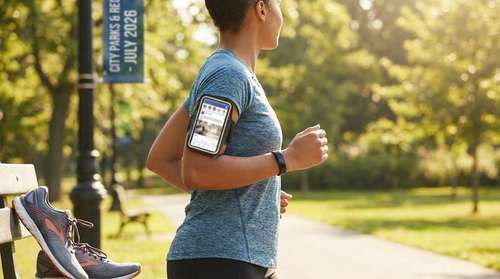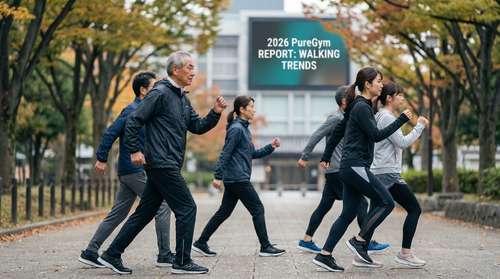
If you have walked past a park in the last 48 hours and noticed people alternating between aggressive power walking and leisurely strolling, you aren’t imagining things. Global search interest in the Japanese walking method has exploded by nearly 3,000% this week following the release of the massive 2026 PureGym Fitness Report. This interval-based technique, scientifically known as Interval Walking Training (IWT), has officially dethroned high-intensity gym classes to become the year’s most accessible wellness obsession.
The 'Japanese Walking' Phenomenon Explained
While it is currently dominating Japanese walking TikTok feeds and fitness headlines, this method isn’t a fleeting social media fad. It is a scientifically validated protocol developed over two decades ago by Dr. Hiroshi Nose and his team at Shinshu University in Japan. The concept is deceptively simple: instead of maintaining a steady pace, you alternate between high and low intensity.
The core formula that has captivated the fitness world in 2026 is the "3-minute interval" method. Practitioners walk briskly for three minutes—fast enough that holding a conversation becomes difficult—followed by three minutes of slow, recovery-paced strolling. Repeating this cycle just five times results in a highly efficient 30-minute workout that triggers physiological changes steady-state cardio simply cannot match.
Why It Is the Top 2026 Fitness Trend
The PureGym report highlights a massive cultural shift in 2026: the move from "aesthetics-first" training to "longevity-first" movement. 2026 fitness trends are defined by sustainability and metabolic health, making low-impact cardio benefits a priority for millions. Unlike grueling HIIT classes that can spike cortisol and stress joints, the Japanese walking method offers a "minimum effective dose" for maximum health returns.
Dr. Nose’s original research, which is currently recirculating virally, demonstrated that participants who followed this regimen for five months increased their VO2 max (a key indicator of longevity) by up to 20%. Perhaps even more compelling for today's health-conscious public, the study showed significant reductions in lifestyle-related disease metrics, including blood pressure and blood sugar levels, by approximately 20%.
Metabolic Health and Longevity Benefits
The secret sauce of metabolic health walking lies in the switch. When you transition from a stroll to a power walk, your body must rapidly adjust its energy production systems. This "metabolic switch" improves the body's ability to utilize oxygen and regulate glucose. It is essentially interval training for your mitochondria.
For those focused on interval walking for longevity, the data is hard to ignore. Improvements in thigh muscle strength—a critical factor in aging and mobility—were also noted in the clinical trials. By engaging fast-twitch muscle fibers during the brisk intervals, walkers build functional strength that protects joints and maintains balance well into older age.
How to Perform the 3-Minute Interval Walk
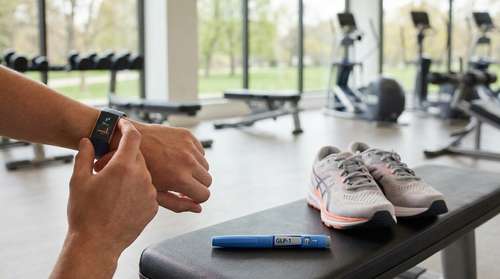
Ready to try walking interval training yourself? You don't need a gym membership or expensive gear—just a watch or a timer on your phone. Here is the optimal protocol to replicate the results seen in the Japanese studies:
- Warm-up: Start with a casual 5-minute stroll to loosen up your hips and ankles.
- The Fast Interval (3 Minutes): Walk at about 70% of your maximum effort. You should be breathing heavily and feel slightly uncomfortable. If you can sing a song, you aren’t walking fast enough.
- The Slow Interval (3 Minutes): Drop down to 40% effort. This is a recovery stroll. Allow your heart rate to come down.
- Repeat: Complete 5 sets of these intervals for a total of 30 minutes.
- Frequency: Aim for 4 sessions per week for maximum metabolic adaptation.
Is This the Future of Cardio?
As we settle into 2026, the message from the data is clear: intensity matters, but duration doesn't have to be punishing. The Japanese walking method proves that smart, structured movement can outperform hours of aimless exercise. Whether you are a biohacker looking to optimize your VO2 max or simply someone wanting to get healthier without stepping foot in a gym, the 3-minute interval might just be the most important step you take this year.