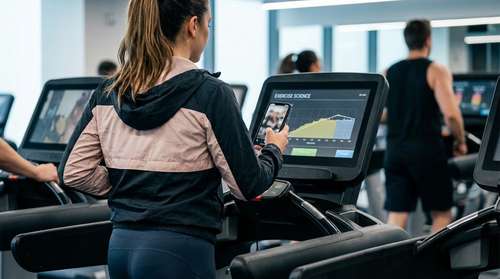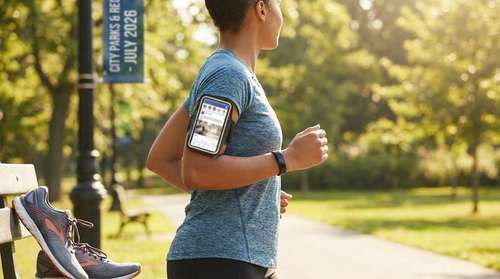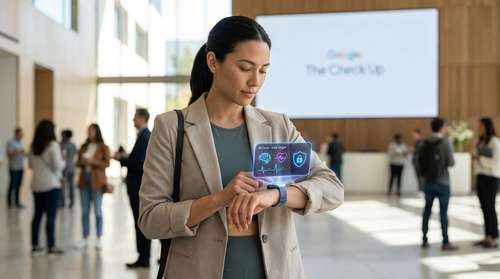
At its annual health event yesterday, Google completely altered the landscape of wearable technology 2026. Unveiled during Google The Check Up 2026, the tech giant introduced transformative updates to its Fitbit AI Coach. Powered by the company's advanced large language model, this Gemini-driven personal health AI bridges the persistent gap between clinical medical records and everyday biometric data.
Wearable fitness trackers have long been excellent at counting steps and estimating calories burned. However, translating those raw metrics into actionable lifestyle advice usually falls squarely on the user's shoulders. By introducing a deeply integrated Fitbit AI Coach, Google is shifting the paradigm from passive tracking to active, conversational digital fitness coaching.
Google The Check Up 2026: A New Era for Wearable Technology
During the March 17 presentation, Chief Health Officer Dr. Michael Howell emphasized the company's mission to make high-quality healthcare a global reality. The standout announcement was the substantial evolution of the Fitbit platform. First launched in a limited preview last year, the Google Gemini health integration is now receiving medical-grade upgrades that transform it into a comprehensive wellness advisor.
The system is designed to serve as a 24/7 digital health agent. Instead of generic alerts, the conversational AI remembers your preferences, adapts to your busy schedule, and adjusts recommendations when you have a poor night of rest. This represents a massive leap forward for AI fitness training, turning a standard wristband into a proactive health collaborator that behaves like a unified team of data scientists and domain experts.
How the Fitbit AI Coach Uses Medical Records
Starting in April 2026, users in the public preview will gain the ability to directly link their actual clinical medical records to the Fitbit application. By partnering with healthcare identity platforms like b.well and CLEAR, Google ensures that lab results, medication history, and past clinical visits securely sync directly with your biometric profile. Users can simply verify their identity using a valid ID to authorize the secure retrieval of their clinical history.
Imagine receiving personalized workout advice not just based on your heart rate, but contextualized by your recent cholesterol panel. The personal health AI can summarize complex lab reports, highlight notable trends, and adjust your fitness regimen accordingly. Google explicitly confirmed that all imported medical data meets stringent Identity Assurance Level 2 (IAL2) security standards and will absolutely not be used for advertising purposes.
Collaborating with Healthcare Providers
To ensure this data translates to better actual medical care, Google announced a concurrent $10 million investment to train clinicians in AI literacy. Through partnerships with the Council of Medical Specialty Societies and the American Academy of Nursing, the initiative tackles a glaring issue in modern medicine: tools are frequently developed faster than doctors can learn to implement them. The platform will soon allow users to share their AI-generated health summaries directly with their doctors via secure Smart Health Links or QR codes, streamlining the communication between patient and physician.
Advancing AI Fitness Training with Superior Sleep and Metabolic Tracking
The updated Fitbit AI Coach brings clinical-level precision to the features users already rely on daily. The most notable immediate upgrades target sleep architecture and metabolic tracking, two pillars of long-term wellness.
A Revamped Sleep Score
Tracking rest accurately has always been a hurdle for consumer wearables. Google's newly trained algorithm now delivers a 15% increase in sleep staging accuracy. Crucially, the Gemini-powered model can now differentiate between a user actively trying to fall asleep and someone who has actually drifted off.
Because the tracker captures mid-night interruptions and naps with near-clinical precision, the newly revamped Sleep Score evaluates not just the duration of sound rest, but the time it took to achieve it. Your digital fitness coaching routine will dynamically update to recommend wind-down habits based on these ultra-precise metrics, identifying exactly where your recovery routine falls short.
Continuous Glucose Monitoring (CGM) Integration
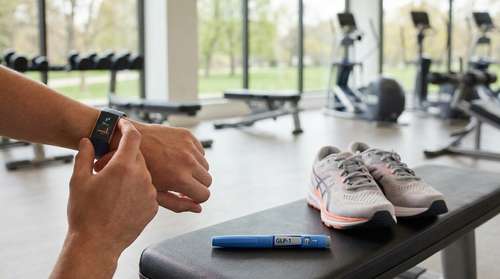
Metabolic health is also getting a major spotlight. Through Google's Health Connect, the updated application will integrate with Continuous Glucose Monitors. Users can ask their Fitbit AI Coach conversational questions to understand exactly how a high-intensity interval workout—or a late-night slice of pizza—impacted their blood sugar levels in real time. This immediate feedback loop offers unprecedented visibility into how daily lifestyle choices dictate long-term metabolic health.
The Future of Digital Fitness Coaching
Tech competitors like Microsoft and Amazon are heavily focused on backend hospital infrastructure and clinical documentation. Google is carving a distinct path by positioning its Google Gemini health initiatives right at the intersection of consumer hardware and professional care.
In addition to these core features, Google announced an upcoming 'Get care now' research study with Included Health to explore how conversational AI can streamline virtual medical visits. As we navigate the complex landscape of wearable technology 2026, the integration of clinical history with real-time biometric data signifies a definitive shift. The wrist-worn tracker is no longer just an observer; it is an active, deeply informed participant in your lifelong health journey.