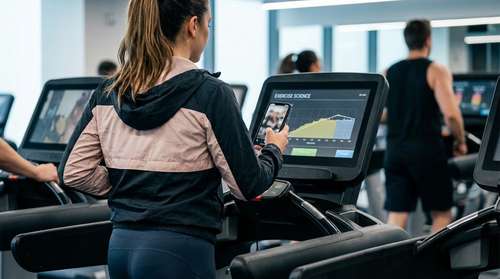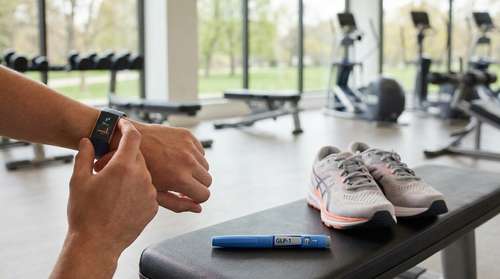
For patients starting breakthrough obesity treatments, a common assumption prevails: shedding excess pounds will naturally spark a more active lifestyle. However, new research presented at the Endocrine Society's ENDO 2026 meeting reveals a starkly different reality. The connection between GLP-1 weight loss and exercise is currently flashing warning signs across the medical community. Rather than lacing up their sneakers with newfound energy, patients on medications like Ozempic, Wegovy, and Zepbound are significantly reducing their daily movement. This surprising shift poses a severe threat to long-term health, as preserving lean muscle through targeted fitness routines is a non-negotiable requirement during rapid metabolic changes.
The Fitbit Data GLP-1 Study: What the Numbers Reveal
Dr. Sajana Maharjan of HSHS St. John's Hospital in Springfield, Illinois, recently led a groundbreaking physical activity decline study that quantifies this exact phenomenon. Researchers tapped into the National Institutes of Health's All of Us Research Program, analyzing electronic health records paired with wearable tracker data. They zeroed in on 753 adults with obesity who started a GLP-1 receptor agonist.
The findings shattered expectations. Instead of moving more, patients' average daily steps plummeted from 5,047 to just 4,487—an 11 percent drop—after beginning their prescriptions. Time spent engaging in moderate-to-vigorous physical activity also shrank from 28 minutes down to 22 minutes per day. Men experienced the steepest declines, walking nearly 1,000 fewer steps a day, while those suffering from existing joint or muscle pain also saw disproportionate reductions in movement. The data definitively proved that weight loss from these specific medications does not organically translate to an uptick in physical exertion.
The Critical Threat of Ozempic and Muscle Loss
This sudden drop in daily activity is highly alarming to endocrinologists and fitness experts alike. GLP-1 medications are astonishingly effective at melting away body fat, but they do not discriminate. Without intentional intervention, users also strip away crucial lean muscle mass.
Ozempic and muscle loss go hand-in-hand when patients fail to provide their bodies with the stimulus needed to retain strength. Muscle tissue dictates your baseline metabolic rate, joint stability, and overall physical function. When patients combine a massive caloric deficit with a suddenly sedentary lifestyle, they risk entering a state of sarcopenia—accelerated muscle deterioration. Over time, this makes maintaining the weight loss significantly harder once the body adapts to the medication.
Why Are Users Moving Less? Understanding the Paradox
Medical professionals theorize several reasons behind this behavioral decline. Caloric restriction naturally induces fatigue. When you consume drastically fewer calories, the body attempts to conserve energy by subtly reducing non-exercise activity thermogenesis—the casual daily movements, fidgeting, and walking that burn calories.
Additionally, GLP-1 drugs work by altering reward pathways in the brain to quiet cravings. Some researchers suspect this neurological rewiring might also dampen the intrinsic drive to engage in physical activities. You simply feel less motivated to take the stairs or go for an evening stroll. The fatigue associated with eating a fraction of your normal food volume also leaves many patients feeling drained during the initial months of treatment. Physicians note that patients frequently report feeling more lethargic as they lose weight rapidly, turning what used to be a standard workout into a chore.
Structuring Medical Weight Loss Workouts
To combat this biological sluggishness, intentional exercise must become a core pillar of obesity treatment. Relying solely on the drug for metabolic health is a flawed strategy. Weight loss drugs fitness routines require a specific focus on resistance training rather than endless cardio.
Implementing Strength Training for Wegovy Users
Strength training for Wegovy users and those on similar compounds provides the precise mechanical tension required to signal the body to keep its muscle tissue. Lifting weights, utilizing resistance bands, or performing challenging bodyweight exercises twice a week effectively halts muscle catabolism. You do not need to become a competitive weightlifter. Consistent, progressive resistance is the primary goal to secure your skeletal health.
Prioritizing Baseline Movement
Beyond the weight room, patients must consciously monitor their daily steps. Because the subconscious urge to move diminishes, tracking activity through wearables becomes an essential accountability tool. Medical weight loss workouts should also include mobility work and light cardiovascular sessions to maintain heart health. Establishing a baseline target—such as a non-negotiable 7,000 steps per day—can prevent the unconscious slide into sedentary behavior. Patients experiencing joint pain should explore low-impact options like swimming or cycling to stay active without exacerbating their discomfort.
Major international health organizations have recently stressed this exact point, issuing calls to action for health systems to ensure that weight loss treatments are directly paired with supervised lifestyle programs. A prescription for a GLP-1 agonist is a powerful tool for overcoming obesity, but it is not a standalone cure. Protecting your physical infrastructure through structured movement is the only way to ensure the weight you lose leaves you stronger, healthier, and fully capable of enjoying your new body.