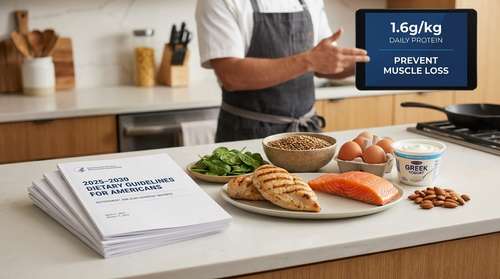
For decades, the "0.8 rule" was the golden standard of American nutrition. But as of this week, that standard has been officially shattered. In a landmark pivot that is reshaping the nutritional landscape, the newly released 2025-2030 Dietary Guidelines for Americans have doubled the recommended daily protein intake to a range of 1.2 to 1.6 grams per kilogram of body weight. This seismic shift, championed by the Department of Health and Human Services (HHS) under the new "Make America Healthy Again" agenda, isn't just about building biceps—it is a direct federal response to the metabolic realities of the GLP-1 era.
The End of the 0.8g Era
For nearly half a century, the Recommended Dietary Allowance (RDA) for protein languished at 0.8 grams per kilogram—a level many experts argued was merely the minimum to prevent deficiency, not the optimal amount for health. The new guidelines, released earlier this year and clarified in updated technical documents this week, explicitly reject this "survival minimum."
The updated framework introduces an "Inverted Food Pyramid," placing nutrient-dense proteins (including red meat, eggs, and full-fat dairy) at the widest top tier, signifying their priority in the American diet. This reversal challenges decades of low-fat dogma.
"We are moving from a philosophy of caloric restriction to one of cellular nourishment," states the new HHS preamble. The goal is clear: combat the silent epidemic of sarcopenia (age-related muscle loss) which has accelerated at an alarming rate alongside the widespread adoption of weight-loss medications.
The GLP-1 Connection: Why Muscle Matters Now
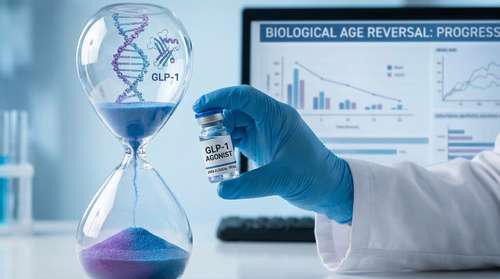
You cannot separate these new guidelines from the rise of Ozempic, Wegovy, and Zepbound. With millions of Americans now utilizing GLP-1 receptor agonists to manage obesity, a new health crisis has emerged: sarcopenic obesity.
Clinical data indicates that without adequate nutritional intervention, up to 40% of weight lost on GLP-1s can be lean muscle mass rather than fat. This muscle wasting leads to a slower metabolism, frailty, and the infamous "Ozempic face" and "Ozempic body" aesthetic. The new 1.6 g/kg recommendation acts as a nutritional prescription to counteract this effect.
By raising the baseline protein requirement, federal health officials are effectively mandating a muscle-preservation protocol. For a 180-pound adult, this means consuming roughly 130 grams of protein daily—a target that requires a deliberate shift away from processed carbohydrates and toward whole food sources.
Real Food over "Franken-Foods"
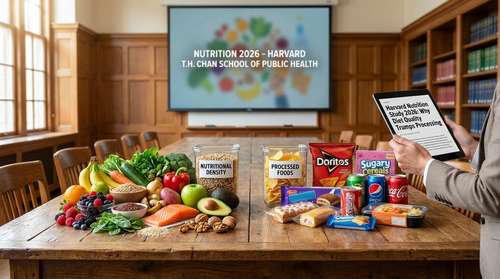
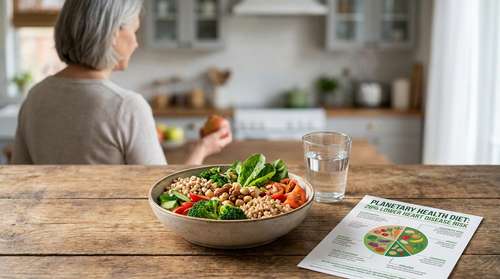
A distinct feature of the 2025-2030 update is its aggressive stance against ultra-processed foods (UPFs). The guidelines explicitly prioritize "Real Food"—a term now codified in federal policy. This marks a departure from previous iterations that focused on individual nutrients (like saturated fat limits) often at the expense of food quality.
The Return of Full-Fat Dairy
In a move that has stunned industry lobbyists, the guidelines now recommend full-fat dairy over skim or low-fat varieties. The rationale? Nutrient density and satiety. Full-fat options provide essential fat-soluble vitamins (A, D, E, and K) and have a lower glycemic impact, crucial for metabolic health.
Red Meat Redeemed?
Perhaps most controversially, the new text softens the language on red meat, distinguishing between processed meats (like nitrates-laden deli slices) and unprocessed cuts (like steak or ground beef). The latter are now categorized as "high-value nutrient matrices" essential for iron, B12, and bioavailable protein intake, particularly for women and the elderly.
Implementing the 1.6g Protocol
For the average American, hitting 1.6 grams per kilogram requires a radical rethinking of the daily menu. The "cereal and juice" breakfast is effectively dead under this new framework. Instead, the guidelines suggest starting the day with at least 30 grams of protein to trigger muscle protein synthesis (MPS).
A Sample "Protein-First" Day (130g target):
- Breakfast: 3 eggs + Greek yogurt (35g protein)
- Lunch: 6oz grilled chicken breast salad with olive oil (45g protein)
- Snack: Hard-boiled egg or beef jerky (15g protein)
- Dinner: 6oz steak or salmon with asparagus (40g protein)
This "back to basics" approach aligns with the growing consumer demand for ancestral and whole-food diets, validating what many functional medicine practitioners have advocated for years.
The Expert Verdict
While the nutritional biochemistry behind higher protein is sound, the rollout has not been without detractors. Traditional dietetic associations have voiced concerns about the environmental impact of increased animal agriculture and the potential risks of higher saturated fat intake for those with familial hypercholesterolemia.
However, proponents argue that the metabolic crisis of obesity and insulin resistance poses a more immediate threat. "Muscle is the organ of longevity," notes a key advisor to the 2025 committee. "If we fail to protect it, we are merely trading obesity for frailty. The 1.6g threshold is our insurance policy against the unintended consequences of the weight-loss revolution."