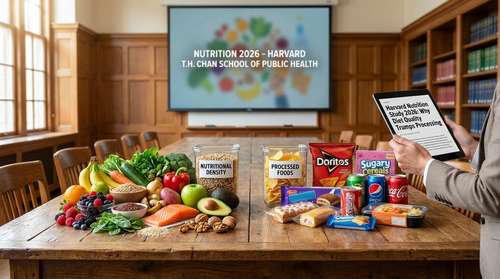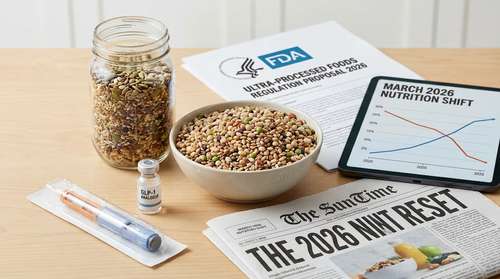
March 2026 marks a watershed moment in American dietary habits. A massive shift is underway as consumers trade factory-made snacks for nutrient-dense whole foods. Driven by the viral internet movement known as fibermaxxing and the specific nutritional demands of the modern GLP-1 diet plan, the public is waking up to severe ultra-processed food health risks. This month, top 2026 nutrition trends show a decisive pivot toward high protein high fiber foods. Simultaneously, the federal government is moving to crack down on the synthetic additives that have dominated grocery aisles for decades.
The Kessler Petition: FDA Targets Industrial Ingredients
For decades, Americans have unknowingly consumed massive quantities of extrusion-modified flours and hidden corn syrups. However, the regulatory landscape is shifting rapidly following the landmark Kessler Petition FDA filing. Submitted by former FDA Commissioner Dr. David Kessler, this citizen petition urges the agency to revoke the "Generally Recognized As Safe" (GRAS) status of processed refined carbohydrates.
Recent developments in March 2026 indicate that the Department of Health and Human Services intends to act on these demands. Health officials are now comparing the public health crisis caused by ultra-processed items to the tobacco epidemic of the 1990s. These industrial ingredients are uniquely designed to bypass the body's natural satiety signals, driving overconsumption and contributing to severe metabolic dysfunction. Dr. Kessler points out that these are not simply "empty calories"; they actively deposit fat into the liver, which then migrates to other organs and fuels conditions like type 2 diabetes and heart failure. As federal regulators review these GRAS ingredients using rigorous scientific standards, consumers are already voting with their wallets and changing what they put on their plates.
The Rise of 'Fibermaxxing' and the Gut Health Microbiome
As the backlash against synthetic ingredients intensifies, Americans are embracing natural alternatives. Enter fibermaxxing, a dietary strategy focused on meeting or significantly exceeding the recommended 25 to 30 grams of daily dietary fiber. While most adults historically consume a mere 10 to 15 grams a day, this new approach emphasizes flooding the digestive system with complex carbohydrates from fruits, vegetables, legumes, and seeds.
The benefits extend far beyond basic digestion. By incorporating diverse, plant-based roughage, individuals are actively nourishing their gut health microbiome. There are two main players here: soluble fiber, which dissolves into a gel-like substance to stabilize blood sugar and lower cholesterol, and insoluble fiber, which adds bulk to speed up intestinal transit. Furthermore, fermentable fibers act as prebiotics, feeding beneficial bacteria that lower systemic inflammation and regulate immune responses. Medical professionals strongly support the movement but caution that increasing intake too rapidly can cause gastrointestinal distress. Dietitians recommend a gradual addition of about five grams per week alongside plenty of water to allow the digestive tract to adapt safely.
The GLP-1 Diet Plan: Combating Muscle Loss with Protein
The second major catalyst for the 2026 nutrition reset is the widespread adoption of weight-management medications. While highly effective for shedding stubborn body fat, these treatments come with a significant catch: rapid weight loss often strips away crucial lean muscle mass. Consequently, an effective GLP-1 diet plan requires highly intentional eating strategies.
Because these medications significantly reduce appetite, patients must maximize the nutritional value of smaller, less frequent meals. Sarcopenia, or accelerated muscle loss, can severely impact long-term strength, mobility, and resting metabolic rate. To counter this, nutritionists recommend targeting at least 20 to 30 grams of protein per meal, aiming for roughly 0.6 to 0.7 grams of protein per pound of body weight daily. Incorporating high protein high fiber foods—such as lentils, Greek yogurt, lean turkey, and edamame—provides a dual benefit. The protein preserves vital lean tissue, while the fiber ensures steady digestion and mitigates the constipation occasionally caused by weight-loss medications. Alongside these dietary shifts, experts emphasize that resistance training is non-negotiable for preserving strength.
Actionable Steps for the 2026 Nutrition Trends
Navigating this new era of dietary awareness requires practical adjustments. Rather than attempting an overnight overhaul, focus on sustainable modifications that align with the latest clinical guidance:
- Prioritize Whole Sources: Swap heavily refined snacks for whole foods. Replace potato chips with roasted chickpeas or handfuls of mixed nuts to boost both protein and fiber simultaneously.
- Read the Labels: Scrutinize ingredient lists for maltodextrin, extrusion-modified flours, and high-fructose corn syrup—the exact processed refined carbohydrates currently under federal review.
- Balance the Plate: Ensure every meal contains a lean protein source alongside a complex, fibrous carbohydrate to maintain energy levels and stabilize blood glucose.
By rejecting hyper-palatable industrial formulations and embracing nutrient-dense staples, Americans are fundamentally rewriting their approach to wellness. This sweeping dietary transformation proves that the most advanced solution to modern metabolic challenges is a return to foundational, unadulterated nutrition.