For years, health professionals have warned the public about the detrimental effects of convenience eating on our cardiovascular systems and waistlines. Now, the medical conversation is urgently shifting toward our skeletal frameworks. A groundbreaking Tulane University nutrition study 2026 reveals a startling reality about ultra-processed foods bone health: those quick microwave meals and sugary afternoon snacks might literally be weakening your structural foundation. This extensive research, recently published in The British Journal of Nutrition, connects the high consumption of industrially manufactured items directly to diminished bone mineral density and a significantly higher likelihood of debilitating breaks.
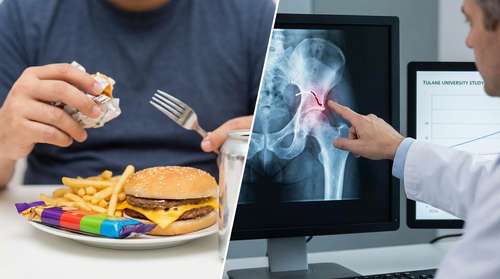
Relying on the UK Biobank—a massive repository of health and genetic data—researchers were able to track the dietary habits and medical outcomes of more than 160,000 participants over a span of 12 years. The sheer scale of the observation provides unparalleled weight to the findings. The data uncovered a dose-dependent relationship: for every additional 3.7 servings of ultra-processed foods consumed daily, the UPF hip fracture risk spiked by roughly 10.5%. To put that abstract number into everyday perspective, 3.7 servings equates to a frozen dinner entree, a single store-bought cookie, and a can of soda. That is a combination millions of people consume without a second thought.
The Hidden Link Between Convenience Foods and Skeleton Strength
While the broader connection between diet and osteoporosis has long been understood, this specific study marks a turning point. It is the first time researchers have directly examined the longitudinal impact of ultra-processed items on human skeletal systems. Dr. Lu Qi, the study's co-corresponding author and a distinguished professor at the Celia Scott Weatherhead School of Public Health and Tropical Medicine at Tulane University, noted that sustained high intakes of these products led to measurable reductions in bone density at several critical sites, particularly the lumbar spine and the upper femur.
The average participant in the study consumed roughly eight servings of ultra-processed items every single day. Given that recent nutritional surveys suggest these foods make up approximately 55% of the total caloric intake for many Americans, the processed food impact on bones is no longer just a fringe nutritional issue. It has evolved into a widespread public health crisis that requires immediate attention from both policymakers and consumers.
What Exactly Qualifies as Ultra-Processed?
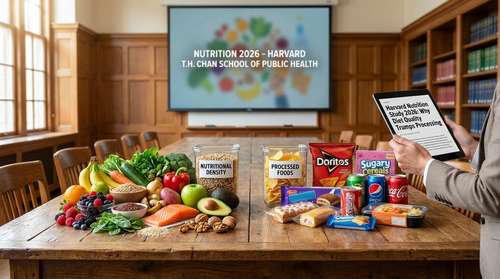
Understanding what falls into this hazardous category is essential for making better grocery store choices. Unlike whole foods or minimally processed ingredients, ultra-processed items are industrially formulated from extracted substances. They are notoriously packed with long lists of artificial additives, preservatives, sweeteners, and emulsifiers. Think of flavored yogurts, mass-produced breakfast cereals, instant noodles, potato chips, and packaged baked goods. These items are engineered in food laboratories for extreme shelf stability and hyper-palatability, ensuring consumers keep coming back for more while stripping away the very organic nutrients our bodies require.
Why These Foods Are Harming Our Bones
The exact biological mechanisms behind this alarming decline in density involve both what these manufactured foods contain and what they lack. A proper bone mineral density diet requires a steady, daily influx of calcium, vitamin D, magnesium, phosphorus, and high-quality protein. Ultra-processed convenience foods often push these essential building blocks off our plates entirely, replacing them with nutritionally void, empty calories.
Beyond nutrient displacement, the high levels of added refined sugars, excessive sodium, and unhealthy fats found in these products can trigger chronic systemic inflammation. Ongoing inflammation disrupts metabolic homeostasis, directly interfering with the body's natural bone-remodeling process. High sodium intake, in particular, is notorious for accelerating calcium excretion through the urine. When the body loses calcium this way, it is forced to leach the mineral directly from the skeleton to maintain stable blood calcium levels, progressively weakening the bones from the inside out.
Who Is at the Highest Risk?
One of the most surprising insights to emerge from this major nutrition news 2026 release is the demographic most severely affected by these dietary habits. One might assume the elderly would show the sharpest decline, but the adverse relationship between convenience eating and skeletal decay was actually most pronounced in adults younger than 65. Researchers hypothesize that younger adults often possess more robust digestive systems that may rapidly absorb a higher percentage of the harmful additives and industrial ingredients found in these foods.
Additionally, the study highlighted that individuals who are underweight—classified medically as having a body mass index (BMI) under 18.5—face an even greater threat. Low body weight is already a firmly established risk factor for poor skeletal strength and premature density loss. When a diet heavy in manufactured, nutrient-poor products is combined with a low BMI, it acts as a force multiplier, leaving these individuals particularly vulnerable to severe, life-altering fractures from minor falls.
Actionable Steps to Protect Your Skeletal Future
Reversing the damage and fortifying your frame requires a conscious, deliberate shift in daily eating habits. Fortunately, implementing small, consistent changes can yield significant protective benefits for your skeleton over time:
- Prioritize Whole, Intact Foods: Swap instant, flavored oats for raw steel-cut oats. Trade heavily sweetened, artificial fruit yogurts for plain, unflavored Greek yogurt topped with fresh berries.
- Read Ingredient Labels Carefully: As a general rule, if an ingredient list reads like a complex chemistry experiment, the product is best left on the shelf. Look for foods with minimal, recognizable components.
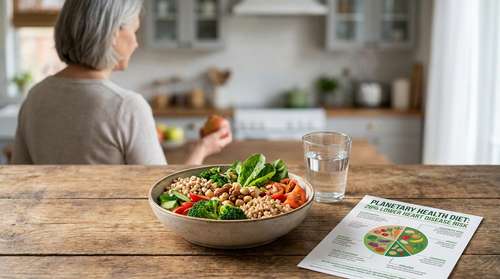
- Focus on Nutrient Density: Ensure your daily meals are rich in bone-building elements. Actively incorporate dark leafy greens, almonds, chia seeds, lean proteins, and fortified dairy or high-quality plant-based alternatives.
- Cook Meals at Home: Preparing meals from scratch in your own kitchen is the single most effective way to control sodium and sugar intake while entirely avoiding industrial additives.
Skeletal deterioration does not happen overnight; it is the silent, cumulative result of years of daily dietary choices. As this latest Tulane University research clearly demonstrates, prioritizing whole, natural ingredients over packaged convenience is not just a trend for staying fit. It is an absolute necessity for ensuring you have the structural strength to remain active, resilient, and independent for decades to come.