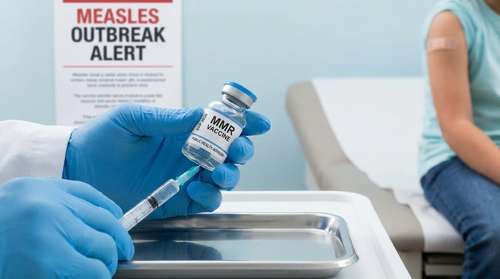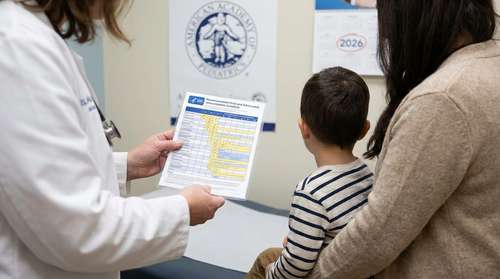
The 2026 measles outbreak is rapidly escalating across the United States, with the Centers for Disease Control and Prevention reporting an alarming 1,362 confirmed cases nationwide as of mid-March. Driven largely by massive localized clusters in states like South Carolina, Utah, and Washington, this year's tally is already on track to shatter the 35-year high recorded just last year. But beyond the immediate, highly visible threat of spiking fevers and contagious rashes, pediatricians are sounding the alarm over a terrifying, delayed consequence. Medical professionals are urgently warning parents about subacute sclerosing panencephalitis (SSPE), a rare but invariably fatal measles brain disorder that can strike a child years after they seemingly recover from the initial virus.
What is Subacute Sclerosing Panencephalitis (SSPE)?
While the vast majority of children survive a standard measles infection, the wild-type virus possesses a sinister ability to harbor itself within the central nervous system. In a small fraction of patients, a mutated form of the virus reactivates months or even up to 27 years later, triggering massive, unrelenting brain inflammation. This progressive neurological condition aggressively destroys nerve tissue and is almost universally fatal, typically claiming a patient's life within one to three years of a confirmed diagnosis.
Historically, medical experts believed this condition affected roughly 7 to 300 out of every million infected individuals. However, comprehensive reviews of prior outbreaks paint a far more severe picture for the most vulnerable populations. Epidemiological studies indicate that for unvaccinated infants who contract the virus before 15 months of age, the risk of developing this complication can be as extraordinarily high as 1 in 609. With measles cases US 2026 heavily concentrated among unvaccinated youths—nearly 80% of reported cases in some states involve children—the statistical probability of future SSPE diagnoses is mounting.
Recognizing SSPE Symptoms in Children
One of the most devastating aspects of this disease is its stealthy, unpredictable onset. A child might contract the virus at age two, make a seemingly complete recovery, and live a perfectly normal, healthy life until age ten or twelve before the hidden damage reveals itself. Because the early signs are incredibly subtle, parents, educators, and even primary care physicians often mistake them for typical adolescent behavioral phases or sudden learning disabilities.
Early Warning Signs
The initial SSPE symptoms in children generally present as mild cognitive and behavioral shifts rather than physical ailments. You might notice:
- Sudden, unexplained drops in academic performance or persistent forgetfulness
- Uncharacteristic temper outbursts, irritability, and severe mood swings
- Frequent distractibility or a sudden inability to focus on routine tasks
- Severe sleeplessness or, in rare cases, visual and auditory hallucinations
Progressive Neurological Decline
As the virus aggressively attacks the cerebral cortex, the physical deterioration accelerates rapidly. Children enter a second stage characterized by myoclonic jerks—sudden, uncontrollable muscle spasms and involuntary twitching in the arms, head, or body. This quickly progresses to debilitating epileptic seizures, profound loss of coordination, and deteriorating vision. In the final, tragic stages of the disease, patients experience severe bodily rigidity, lose the ability to swallow or speak, and eventually slip into a comatose state as the brain areas controlling fundamental autonomic functions like heart rate and breathing fail. There is currently no cure for the condition, and existing treatments are strictly palliative, aimed only at easing the child's discomfort.
The Link Between Outbreaks and Pediatric Measles Complications
The sheer volume and rapid spread of the current public health crisis make these rare pediatric measles complications a statistically pressing issue for hospitals nationwide. Health authorities confirm that a staggering 94% of the infections documented so far this year are directly tied to regional outbreaks. Unvaccinated community clusters provide the highly contagious virus ample opportunity to jump from host to host, disproportionately targeting toddlers and young infants who are either too young to receive their first inoculation or who have been granted non-medical exemptions.
Children infected before their second birthday carry the absolute highest risk for future brain complications. The virus capitalizes on their still-developing immune systems, slipping past the body's natural defenses to embed itself permanently in the brain tissue. When communities experience massive viral spread, as seen in the ongoing localized epidemics across the country, the total pool of children carrying this dormant viral time bomb increases dramatically, setting the stage for localized clusters of brain disorders a decade from now.
MMR Vaccine Safety 2026: Protecting the Next Generation
Preventing the initial viral infection is the singular, scientifically proven way to eliminate the risk of delayed neurological fatalities. The measles, mumps, and rubella (MMR) vaccine remains an extraordinarily effective shield against both the immediate respiratory illness and its long-term horrors.
Discussions surrounding MMR vaccine safety 2026 continue to be rigorously backed by vast troves of global health data. The medical consensus is absolute: the weakened vaccine strains of the virus used in modern immunizations do not cause subacute sclerosing panencephalitis. Instances where the condition appeared post-vaccination were definitively linked to mild, undiagnosed wild-type infections contracted before the child was immunized.
Protecting a child requires maintaining high community immunity thresholds, generally above 95%. Public health officials are urging families to proactively ensure their household vaccination records are current. For those living in or traveling to active outbreak hot zones, verifying immunity is not just about avoiding a miserable week of fever and rash—it is about permanently closing the door on a devastating, incurable neurological tragedy.