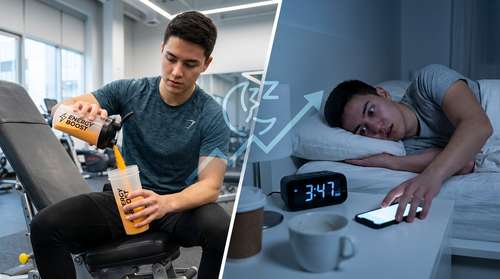
Grabbing a scoop of brightly colored powder before hitting the gym has become an unquestioned ritual for millions of fitness enthusiasts. But that sudden rush of energy and focus might be coming at a severe, long-term cost. According to a groundbreaking University of Toronto supplement study released on March 16, 2026, young adults who consume these popular performance enhancers are drastically shortening their nightly rest. The research highlights alarming pre-workout supplement side effects, pointing to a growing epidemic of exhaustion among the very people who are actively trying to optimize their health.
If you have been wondering why you are staring at the bedroom ceiling at 2 AM after a heavy afternoon lifting session, the data proves you are not alone. Researchers discovered that regular users of these fitness products are more than twice as likely to experience profound sleep loss, sparking new conversations among medical professionals about how we approach sports nutrition.
Understanding Stimulant-Heavy Pre-Workout Risks
The core of the problem lies squarely on the ingredient label. When evaluating stimulant-heavy pre-workout risks, the sheer volume of caffeine consumed in a single sitting is staggering. The University of Toronto research team, led by Dr. Kyle T. Ganson, analyzed data from 912 participants in the Canadian Study of Adolescent Health Behaviors. They found that a single serving of a typical pre-workout powder can contain anywhere from 90 to over 350 milligrams of caffeine.
To put that in perspective, a standard cup of coffee hovers around 100 milligrams, while a can of cola sits at roughly 35 milligrams. Taking two scoops of a high-stimulant product before a workout is equivalent to downing three or four cups of coffee in a matter of seconds. This massive influx of stimulants is designed to block adenosine receptors—the brain chemicals that signal fatigue. While this chemical blockade helps you push through that final strenuous rep, those stimulants can remain active in your bloodstream for many hours after you leave the gym floor.
Why Caffeine and Young Adult Fitness Are Colliding
The intersection of caffeine and young adult fitness has created a perfect storm for chronic fatigue. The study focused specifically on individuals aged 16 to 30, a demographic heavily targeted by aggressive sports nutrition marketing campaigns. The findings published in Sleep Epidemiology were stark: participants who used these supplements in the past year were 2.53 times more likely to report sleeping five hours or less per night.
This falls drastically short of the biological requirement. Health experts universally recommend eight to ten hours of sleep for adolescents and seven to nine hours for young adults. Beyond just blocking fatigue signals, the massive caffeine doses delay natural melatonin rhythms and unnecessarily activate the sympathetic nervous system, keeping the body in a prolonged, wakeful state long after the workout has concluded.
The Health Consequences of Sleep Deprivation
Sacrificing genuine rest for a better muscular pump is ultimately counterproductive. The health consequences of sleep deprivation extend far beyond just feeling groggy or irritable the next morning. When you consistently sleep five hours or less, your body cannot properly repair torn muscle tissue, regulate essential hormones, or manage systemic stress.
Short-term sleep loss heavily impairs cognitive function and physical coordination, significantly increasing the likelihood of gym-related injuries. Over the long term, insufficient rest during these critical developmental years can severely impact mental well-being, triggering or exacerbating symptoms of anxiety and depression. It creates a vicious, self-defeating cycle: you are exhausted from poor sleep, so you take an extra scoop of pre-workout to function, which in turn completely ruins your sleep the following night.
Prioritizing Workout Recovery and Sleep Hygiene
Experienced athletes know that true fitness progress happens entirely outside of the gym. Balancing workout recovery and sleep hygiene is essential for anyone serious about their physical development. Sleep is the ultimate, natural performance enhancer—it is the specific window when human growth hormone is released and muscle protein synthesis peaks.
If you are relying on heavily caffeinated powders simply to find the motivation to exercise, it might be time to reassess your daily habits. Health experts increasingly recommend that young athletes rethink their relationship with fitness energy boosters and sleep, prioritizing sustainable routines over quick chemical fixes.
Actionable Steps for Better Rest
You do not necessarily have to abandon your fitness goals to ensure a good night's rest. Experts, including the researchers behind the Toronto study, suggest several actionable strategies to protect your circadian rhythm:
- Time your intake carefully: Medical professionals advise avoiding any stimulant-based supplements 12 to 14 hours before your intended bedtime. If you work out in the late afternoon or evening, skip the caffeine entirely.
- Switch to stim-free alternatives: The market is adapting. Many reputable brands now offer pump formulas that utilize ingredients like L-citrulline, beta-alanine, and betaine to improve blood flow and performance without stimulating the central nervous system.
- Monitor your total daily caffeine: Remember that your pre-workout is just one source. If you are also consuming coffee, energy drinks, or soda throughout your workday, your total aggregate intake could be dangerously high.
The fitness industry has spent decades selling the idea that more extreme energy equals better physical results. However, this latest research serves as a crucial, evidence-based wake-up call. As regulations around dietary supplements remain relatively loose, the responsibility falls squarely on consumers to read labels and understand exactly what they are putting into their bodies. By prioritizing natural energy through proper nutrition, hydration, and restorative sleep, you can achieve your long-term fitness goals without sacrificing your foundational health in the process.