In a historic shift for the American fitness landscape, January 2026 resolution data has signaled the end of the "cardio-for-calories" era. For the first time in decades, "getting stronger" has statistically edged out "losing weight" as the primary fitness objective for U.S. adults. This pivot, highlighted in the newly released ACSM 2026 fitness report, marks a fundamental change in how Americans view their bodies—prioritizing metabolic armor over aesthetic thinness. The driving force? A collision between the booming longevity sector and the reality of life on GLP-1 medications.
The GLP-1 Effect: Muscle Preservation Becomes Critical
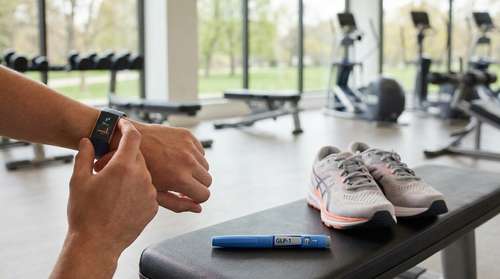
The most significant catalyst for the 2026 strength boom is the widespread adoption of GLP-1 agonists. As millions of Americans manage their weight with medications like Semaglutide, a critical side effect has emerged: the rapid loss of lean muscle mass alongside fat. In response, GLP-1 muscle preservation has become the single most urgent topic in fitness circles this month.
According to the ACSM 2026 fitness report released earlier this week, "Exercise for Weight Management" has surged to the #3 trend globally—its highest ranking ever. However, the context has changed. It is no longer about burning maximum calories; it is about counteracting the catabolic effects of rapid weight loss. Medical professionals are now prescribing heavy resistance training for weight loss patients, not as an option, but as a medical necessity to protect metabolic health.
The Rise of "Muscle-Centric Medicine"
Clinicians are increasingly treating muscle tissue as a vital organ for longevity. New data from early January suggests that users on these therapies who neglect resistance training risk accelerating their biological aging—a condition experts are calling "sarcopenic obesity." Consequently, gyms across the country are seeing an influx of members specifically seeking hypertrophy (muscle-building) programs to maintain their metabolic baseline while on treatment.
Longevity Fitness Goals Replace "Summer Body" Aesthetics
The cultural conversation has shifted from how we look in a swimsuit to how well we function at 80. Longevity fitness goals have officially replaced short-term aesthetic targets. The latest industry reports indicate that functional fitness and programs for older adults are dominating the 2026 market, driven by a desire for biological age reduction rather than just a lower number on the scale.
This trend is visible in the explosion of "lifespan training" classes, which combine heavy compound lifts with mobility work. The goal is to build a "physiological reserve"—a bank of strength and bone density that can be drawn upon later in life. This perspective frames the gym not as a punishment facility for overeating, but as a 401(k) for physical health.
Strength Training 2026 Trends: How We Are Lifting Now
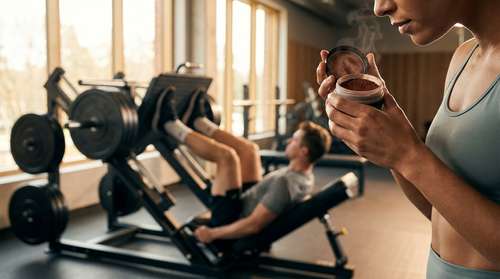
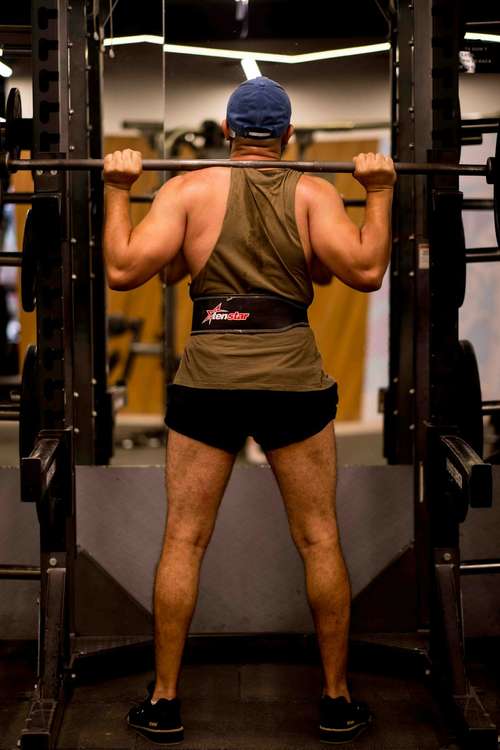
The methodology of lifting is also evolving. The strength training 2026 trends point toward time-efficient, high-intensity resistance protocols. We are seeing a departure from high-repetition, low-weight sculpting classes in favor of lower-rep, higher-load training designed to stimulate maximum force production.
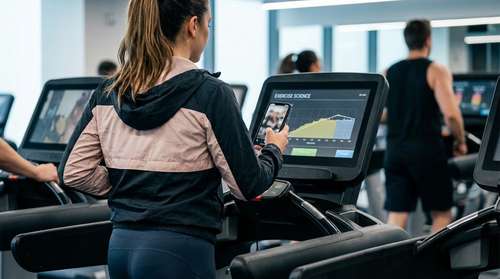
- Data-Driven Progressive Overload: With wearable tech remaining the #1 trend, lifters are using AI-integrated apps to precisely track volume and ensure they are getting stronger week over week.
- Recovery-First Programming: To support heavy lifting, recovery modalities like cold therapy and percussion massage are now standard inclusions in strength memberships.
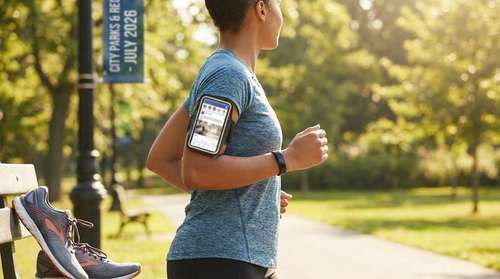
- Hybrid Wellness: Strength sessions are now frequently paired with zone 2 cardio, acknowledging that metabolic health fitness requires both a strong engine and a strong chassis.
The Verdict: Stronger is the New Skinny
As we settle into 2026, the message is clear: muscle is the currency of health. Whether driven by the necessity of GLP-1 muscle preservation or the desire to extend active lifespan, Americans are picking up heavier weights than ever before. The resolution to "lose weight" hasn't disappeared, but it has been upgraded. We no longer just want to be smaller; we want to be more durable, more capable, and metabolically resilient.