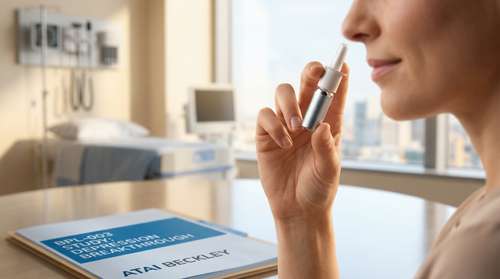
For millions of patients who have exhausted traditional psychiatric medications, a newly published clinical trial offers an unprecedented beacon of hope. On March 17, 2026, peer-reviewed data revealed that a single administration of the BPL-003 nasal spray can trigger profound, rapid symptom relief within 24 hours. Heralded as a legitimate treatment-resistant depression breakthrough, the medication is fundamentally challenging how the medical community approaches severe, intractable mood disorders.
The landmark AtaiBeckley depression study published in the Journal of Psychopharmacology demonstrates a paradigm-shifting success rate. According to the clinical findings, 63.6% of patients achieved full clinical remission. More importantly, these patients sustained their psychological benefits for at least 12 weeks following just one dose, effectively removing the heavy burden of daily antidepressant management. As pharmaceutical science pushes boundaries, BPL-003 is swiftly emerging as a frontrunner among rapid-acting antidepressants 2026 has to offer.
Understanding Mebufotenin Benzoate and Its Rapid Mechanism
Traditional selective serotonin reuptake inhibitors (SSRIs) often require weeks or even months to accumulate in the brain and begin altering mood pathways. During that agonizing waiting period, patients frequently endure side effects with little to no therapeutic payoff. In stark contrast, the active pharmaceutical ingredient in the BPL-003 nasal spray is mebufotenin benzoate, a synthetic, proprietary compound designed to act on the central nervous system almost instantaneously.
Mebufotenin benzoate belongs to a novel class of short-acting psychoactive therapeutics. When administered intranasally, the compound bypasses the digestive tract and delivers immediate neuroplastic benefits. While other interventional treatments like intravenous ketamine or traditional psychedelics require extended monitoring, mebufotenin benzoate was specifically engineered to compress this therapeutic window. The short-acting nature of the compound ensures that the acute psychoactive effects subside swiftly. Trial data shows that the vast majority of patients are medically cleared and ready for clinic discharge within 90 to 120 minutes of their dose. This expedited timeline presents a highly scalable model for interventional psychiatry, minimizing clinical supervision time while maximizing patient convenience.
Furthermore, safety profiles released alongside the efficacy data indicate that the treatment is generally well-tolerated. Adverse events were overwhelmingly classified as mild to moderate and transient, typically limited to temporary administration site discomfort or mild headaches that resolved on the day of dosing.
The AtaiBeckley Depression Study: Unpacking the 12-Week Durability
Sustaining remission in treatment-resistant depression is notoriously difficult. Patients with this diagnosis have, by definition, failed to respond to at least two prior pharmacological interventions. The latest AtaiBeckley depression study addressed this chronic vulnerability head-on, tracking patient outcomes meticulously over a three-month period.
Key Findings from the March 2026 Data Release
- Immediate Onset: Clinically meaningful reductions in the Montgomery-Åsberg Depression Rating Scale (MADRS) were recorded within 24 hours of administration.
- High Remission Rate: An impressive 63.6% of the trial participants reached remission status at one or more timepoints during the follow-up period.
- Sustained Relief: The antidepressant effects remained durable through the 12-week mark without requiring any supplementary daily medication.
This durability is the cornerstone of why researchers consider this a major treatment-resistant depression breakthrough. By resetting neural pathways rather than simply masking symptoms on a daily basis, a single intranasal application provides a functional recovery that allows patients to engage in psychotherapy and rebuild their daily lives.
A Shifting Landscape for New Depression Treatments
The psychiatric field is undergoing a massive transformation, moving away from chronic daily dosing toward episodic, clinic-based interventions. This evolution is driven by the urgent need for new depression treatments that work faster and carry fewer systemic side effects, such as the weight gain or emotional blunting frequently associated with legacy oral antidepressants.
Mental health practitioners are increasingly viewing depression not just as a chemical imbalance requiring daily top-ups, but as a condition characterized by rigid, entrenched neural networks. By promoting rapid neurogenesis and synaptic plasticity, mebufotenin benzoate disrupts these stagnant patterns. The BPL-003 nasal spray perfectly embodies this shift. Among the rapid-acting antidepressants 2026 has introduced, it stands out because of its unique balance of efficacy and brevity. A sub-two-hour clinic visit that buys 12 weeks of remission drastically reduces the logistical hurdles that typically prevent patients from accessing advanced interventional therapies. Furthermore, eliminating the daily medication requirement inherently solves the issue of patient adherence, which remains one of the primary reasons standard treatments fail.
FDA Mental Health Approvals and the Road Ahead
Regulatory bodies are recognizing the urgent public health crisis posed by refractory mental health conditions. After reviewing preliminary efficacy data, regulators previously granted BPL-003 Breakthrough Therapy designation, a status reserved for medications that show substantial clinical improvement over existing therapies for serious diseases. This regulatory support has accelerated the path for forthcoming FDA mental health approvals.
Following a highly successful End-of-Phase 2 meeting announced earlier in March 2026, AtaiBeckley has aligned with regulators on a pivotal dual-trial design. The Phase 3 clinical program is officially on track to initiate in the second quarter of 2026. This next phase will involve larger patient cohorts to definitively establish the long-term safety database and secure the regulatory data package required for commercial launch.
If the Phase 3 trials replicate these outstanding Phase 2 results, BPL-003 could catalyze a wave of progressive FDA mental health approvals, setting a new gold standard for how psychiatric efficacy is measured. The transition from daily maintenance to episodic, highly effective treatments is no longer a distant theoretical concept. For individuals trapped in the frustrating cycle of ineffective daily pills, the commercialization of this intranasal therapy promises to restore vitality to millions who have waited years for a true scientific breakthrough.