In a stunning medical breakthrough that could redefine preventative medicine, a routine vaccination might be doing far more than just preventing a painful rash—it could be slowing down the aging process itself. A landmark study released this week from the University of Southern California (USC) has found that adults who received the shingles vaccine exhibit significantly slower rates of biological aging compared to their unvaccinated peers. Published in the Journals of Gerontology: Series A, this research suggests that the shot provides a powerful systemic defense against 'inflammaging,' effectively turning a standard immunisation into a tool for cellular rejuvenation.
The USC Breakthrough: Shingles Vaccine and Longevity
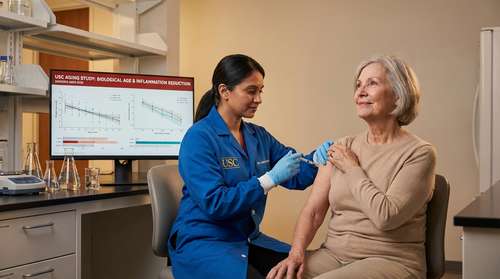
For years, the shingles vaccine (such as Shingrix) has been essential for preventing the reactivation of the varicella-zoster virus in adults over 50. However, the new findings from the USC Leonard Davis School of Gerontology point to a far broader benefit. Lead researcher Jung Ki Kim and her team analyzed blood samples and health records from nearly 4,000 adults, measuring seven distinct domains of biological decline.
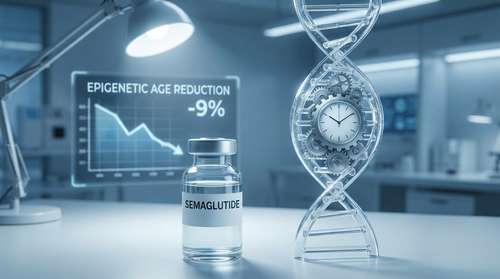
The results were striking. Vaccinated participants showed markedly reduced scores in epigenetic aging and transcriptomic aging—two key molecular clocks that measure how fast our cells are deteriorating relative to our actual chronological age. "Our findings suggest the shingles vaccine may support healthier aging by slowing some underlying biological processes," Kim explained. Even after adjusting for lifestyle factors, the vaccinated group consistently displayed a "younger" biological profile, suggesting the shot acts as a shield against the systemic wear and tear of aging.
Combating 'Inflammaging': How It Works
The core mechanism behind this anti-aging effect appears to be the reduction of chronic inflammation, a phenomenon scientists call "inflammaging." As we get older, our immune systems often linger in a state of low-grade, persistent inflammation, which drives age-related diseases like heart disease, frailty, and cognitive decline. The varicella-zoster virus (which causes chickenpox) remains dormant in the body for decades, potentially leaking low-level stress signals that keep the immune system chronically agitated.
By effectively suppressing this viral "noise," the shingles vaccine reduces inflammaging, allowing the immune system to reset. The USC study found that vaccinated individuals had significantly lower levels of inflammatory markers such as C-reactive protein. Co-author Eileen Crimmins noted that by dampening this chronic immune burden, the vaccine preserves the body's energy for maintaining healthy cellular function, effectively hitting the brakes on the biological aging clock.
Key Biological Domains Improved
The study highlighted improvements across several critical health metrics:
- Epigenetic Stability: Slower changes in gene expression that typically signal aging.
- Immune Resilience: Stronger innate and adaptive immune responses.
- Neuroprotection: Reduced markers associated with neurodegeneration.
Beyond Skin Deep: The Dementia Connection
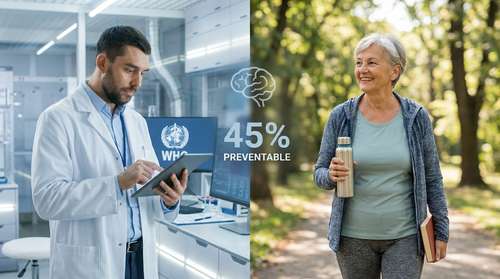
This new data on biological age testing 2026 aligns with a growing body of evidence linking vaccinations to brain health. Recent studies, including a major analysis from 2025, found that the shingles vaccine is associated with a 20% reduction in dementia risk. While the USC study focused on molecular aging, the connection is clear: lower systemic inflammation likely protects the brain.
Experts believe that by preventing the reactivation of the herpes zoster virus, the vaccine prevents the neuroinflammation that can accelerate Alzheimer's disease. This "off-target" benefit is transforming how geriatricians view vaccines—not just as pathogen blockers, but as agents of preventative healthy aging. If a single shot can lower dementia risk and slow cellular decay, it may soon become a pillar of longevity protocols.
What This Means for Your Health Strategy
While the study used data involving older formulations, the implications for the modern recombinant vaccine, Shingrix, are even more promising due to its higher efficacy. If you are over 50, this research adds a compelling longevity incentive to stay up to date with your immunizations.
It is important to view this as part of a holistic approach to reduce inflammaging. Combining the vaccine with a heart-healthy diet, regular exercise, and stress management creates a robust defense against biological decline. As we move through 2026, the conversation is shifting from merely living longer to living younger, and this research confirms that your immune health is the foundation of that goal.