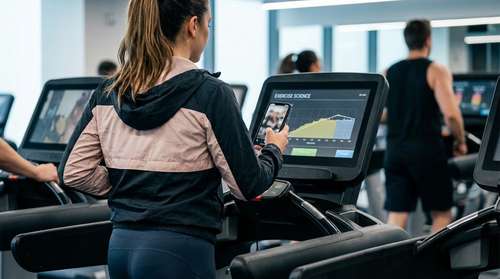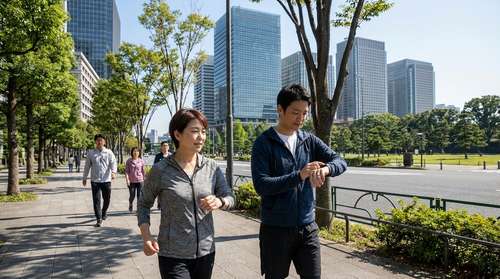
Gym memberships are collecting dust this spring, and for a very good reason. A staggering 2,986% surge in search interest over the past few days has crowned a new king of the cardio world: the Japanese walking method. Rather than gritting through punishing boot camps or chaining yourself to a treadmill for a mythical 10,000 daily steps, millions are pivoting to a surprisingly simple, science-backed routine. It revolves entirely around structured intervals, taking a mere 30 minutes a day to dramatically improve cardiovascular wellness.
This isn't just another fleeting social media gimmick. Originally pioneered in the early 2000s by researchers Hiroshi Nose and Shizue Masuki at Shinshu University in Nagano, Japan, this hyper-efficient protocol—clinically known as interval walking training (IWT)—was designed to keep an aging population strong and mobile. Now, fitness experts worldwide are catching on, positioning it as one of the defining longevity fitness trends 2026 has to offer, with top-tier coverage everywhere from GQ to The Guardian.
The Science Behind Interval Walking Training
The genius of the Japanese walking method lies in its elegant simplicity. Nose and Masuki discovered that continuous, steady-state walking—while pleasant—often fails to push the cardiovascular system enough to trigger major physiological adaptations. Their solution was to inject targeted intensity without the joint-crushing impact of running.
Their landmark studies, including highly cited data published in Mayo Clinic Proceedings, followed participants who engaged in alternating three-minute bursts of effort. The results were nothing short of remarkable. Compared to moderate, continuous walkers, those utilizing the interval technique saw up to a 17% reduction in systolic blood pressure and a 14% boost in estimated peak aerobic capacity (VO2 max). Thigh muscle strength also increased by approximately 13%.
By forcing the heart and muscles to adapt to varying demands, this protocol effectively reduces biological age. It acts as a powerful form of low impact cardio that yields the benefits of high-intensity interval training (HIIT) without the grueling recovery periods or injury risks.
How to Master the 3-Minute Power Walking Routine
Ditching the gym for this routine requires zero equipment—just a comfortable pair of shoes, a timer, and 30 minutes of your day. The formula is remarkably straightforward, yet the execution requires specific effort targets to reap the full physiological rewards.
The 30-Minute Protocol
- Warm-up: Spend 3 to 5 minutes strolling at a casual, relaxed pace to get blood flowing to your extremities.
- The Push (3 minutes): Shift into 3-minute power walking. This should be a brisk, determined pace where you reach about 70% to 85% of your maximum heart rate. You should be able to speak, but you will definitely feel breathless.
- The Recovery (3 minutes): Downshift into a slow, comfortable stroll. Your heart rate should drop back to roughly 40% to 50% of your maximum. This is your time to actively catch your breath.
- The Circuit: Repeat this fast-and-slow cycle five times, totaling exactly 30 minutes.
- Cool-down: Finish with a gentle 3-minute stroll to safely stabilize your heart rate.
Experts recommend aiming for three to four sessions per week for optimal adaptation. Because it seamlessly blends high-effort pushes with built-in rest, it fits perfectly into the growing demand for functional health workouts that support real-world stamina rather than sheer aesthetic muscle growth.
More Than Just Heart Health: The Full-Body Impact
While walking for blood pressure control is a primary draw, the metabolic and psychological perks are equally compelling. Recent clinical observations point out that this undulating intensity curve drastically improves glycemic control, making it a highly effective tool for those managing or preventing type 2 diabetes. The brisk intervals deplete glycogen stores in the muscles, prompting the body to pull glucose from the bloodstream far more efficiently than it would during a leisurely stroll.
Beyond the physical, there is a profound mental health benefit. Stepping away from screens and engaging in outdoor physical activity naturally stimulates endorphin production. Because the routine requires cognitive engagement—monitoring the time and actively switching gears every three minutes—it anchors you in the present moment, offering a moving meditation that clears midday brain fog.
Redefining Longevity Fitness Trends in 2026
The fitness landscape is undergoing a massive cultural shift. We are moving rapidly away from the exhaustion-driven mentality that dominated the early 2020s. People are tired of workouts that leave them depleted, sore, and dreading their next session. Instead, the focus has fiercely pivoted toward sustainability.
You don't need a pricey membership, nor do you have to carve out two hours for travel, changing, and showering. Nailing a quick half-hour session during a lunch break or directly after dinner provides a massive physiological return on investment. Standardizing physical exertion into manageable, bite-sized intervals prevents mental burnout. It actively breaks the brain's natural tendency to zone out during a long, monotonous stroll. You are constantly varying your stride and checking your breathing, which forces the body to burn more energy and adapt quicker than it would on a flatline, steady walk.
Ultimately, the Japanese walking method proves that working harder doesn't always mean lifting heavier or running faster. As we navigate through 2026, the era of overly complicated fitness regimens is fading. By simply varying your pace and committing to a few minutes of elevated heart rate a day, you can bio-hack your daily stroll into a life-extending powerhouse. Lace up your sneakers, set a timer for three minutes, and hit the pavement.