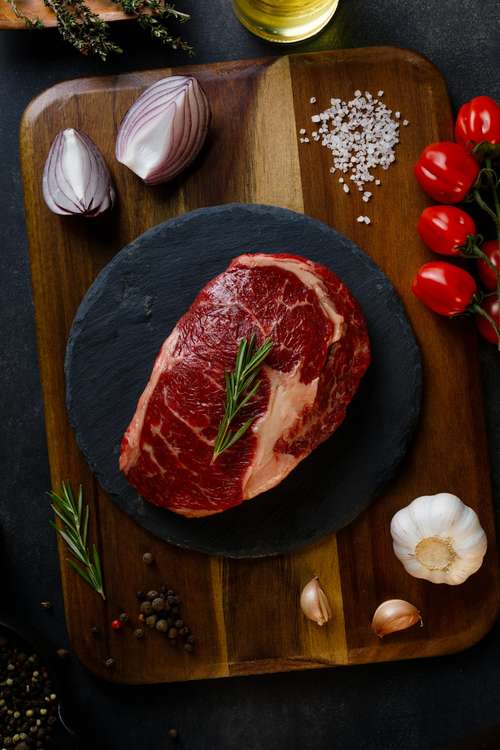
In a historic overhaul of federal nutrition policy, the U.S. government has officially released the Dietary Guidelines for Americans 2025-2030, marking a radical departure from decades of grain-centric advice. Unveiled this week by HHS Secretary Robert F. Kennedy Jr. and USDA Secretary Brooke Rollins, the new framework effectively flips the traditional food pyramid. The updated guidelines explicitly prioritize red meat, full-fat dairy, and "real food" while declaring war on ultra-processed ingredients and imposing a strict added sugar limit per meal. This MAHA initiative nutrition news has ignited a firestorm of debate between government officials and traditional health organizations.
The "Real Food" Revolution: A New Food Pyramid for 2026
The most visible change in the USDA whole foods update is the introduction of an "inverted" food pyramid visual. Unlike previous iterations that placed grains at the foundation, the new new food pyramid 2026 places high-quality proteins—including red meat, poultry, and eggs—and fresh vegetables at the widest, most critical tier. This shift aligns with the "Make America Healthy Again" (MAHA) agenda, which argues that the obesity epidemic is driven by refined carbohydrates and seed oils rather than animal fats.
For the first time, federal guidance actively discourages the consumption of "ultra-processed foods," advising Americans to eliminate products containing artificial dyes, preservatives, and unrecognizable ingredients. "We are returning to the basics," officials stated during the release, emphasizing that nutrient-dense whole foods should replace the fortified, processed staples that have dominated American pantries since the 1980s.
High Protein Diet Guidelines 2026: Doubling Down on Meat and Dairy
One of the most controversial aspects of the update is the new high protein diet guidelines 2026. The recommended daily protein intake has been increased significantly, jumping from the previous standard of 0.8 grams per kilogram of body weight to a robust 1.2–1.6 grams. The guidelines explicitly endorse animal proteins, including beef and full-fat dairy, as "nutrient-dense" options essential for metabolic health.
This recommendation directly challenges the previous consensus that favored low-fat dairy and limited red meat consumption. The new text suggests that full-fat milk, butter, and even beef tallow are preferable to processed vegetable oils, which the MAHA initiative characterizes as inflammatory. While the technical limit on saturated fat remains at 10% of daily calories, the interpretive language encourages obtaining these fats from "natural, whole-food sources" rather than fearing them.
Strict New Limits on Sugar and Additives
Perhaps the most aggressive policy change is the introduction of a hard cap on sweeteners. The guidelines now recommend a added sugar limit per meal of just 10 grams—roughly two teaspoons. This is a granular and restrictive metric compared to previous daily percentage goals, targeting breakfast cereals, flavored yogurts, and sugary drinks that often exceed this limit in a single serving. The document states unequivocally that "no amount of added sugar is recommended," signaling a potential policy shift for school lunch programs and SNAP benefits in the coming months.
Health Experts Divided Over Ultra-Processed Foods Health Risks
The release has triggered immediate backlash from established medical groups. Organizations like the American Heart Association have expressed deep concern, warning that promoting red meat and saturated fats could reverse progress on cardiovascular disease. Critics argue that the Dietary Guidelines for Americans 2025-2030 dismiss established science regarding cholesterol and heart health in favor of populist nutrition theories.
Conversely, metabolic health advocates and supporters of the MAHA movement have praised the guidelines for finally addressing ultra-processed foods health risks. They argue that the previous "low-fat" era correlated with skyrocketing rates of diabetes and obesity, and that a return to whole, unprocessed animal and plant foods is the only way to stem the tide of chronic disease. As the USDA moves to implement these changes across federal programs, the debate over what constitutes a "healthy diet" has never been more polarized.