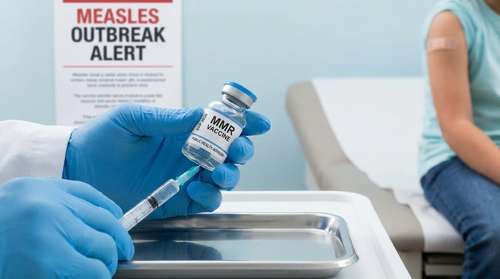
As the United States grapples with a staggering milestone—surpassing 1,100 confirmed cases in just the first two months of the year—public health officials are issuing urgent pediatric health alerts March 2026. While most parents are understandably focused on recognizing immediate measles outbreak 2026 symptoms like high fevers and the telltale rash, infectious disease experts are sounding the alarm over a much darker, delayed threat. With children and teenagers accounting for over 80% of current infections, doctors warn that this wave is setting the stage for subacute sclerosing panencephalitis (SSPE), a rare but devastating neurological condition that emerges years after the initial illness.
What is the SSPE Brain Complication in Kids?
Subacute sclerosing panencephalitis, sometimes known as Dawson disease, is not your typical post-viral fatigue. It is a progressive, irreversible, and nearly always fatal brain inflammation caused by a persistent infection of a mutated wild-type measles virus. Following the unprecedented childhood infection surge 2026, neurologists are trying to educate the public on exactly how this mechanism works.
When a child contracts natural measles, the virus can occasionally cross the blood-brain barrier and lie dormant in central nervous system cells. Years—often seven to ten years—after the patient appears to have made a full recovery, the virus reactivates and mutates. The resulting SSPE brain complication in kids leads to widespread nerve demyelination and severe brain scarring. Early warning signs often mimic mild cognitive issues, such as poor school performance or sudden behavioral changes, before progressing mercilessly to myoclonic seizures, vision loss, and eventually a vegetative state.
Diagnosing the condition requires specialized neurological workups, including magnetic resonance imaging (MRI) to spot white matter changes and a lumbar puncture to detect highly elevated measles antibodies in the cerebrospinal fluid. Sadly, by the time these clinical markers are confirmed, the neurological damage is already profound.
The True Scope of Long-Term Measles Risks for Children
Historically, medical literature suggested SSPE affected roughly 1 in 10,000 individuals who contracted measles. However, modern epidemiological studies of recent outbreaks paint a far more concerning picture for young patients. For infants infected before their first birthday, the risk skyrockets to as high as 1 in 600. Because these babies are too young to be routinely immunized, they rely entirely on community herd immunity for survival.
The long-term measles risks for children are magnified by the sheer volume of the current outbreaks. The U.S. has not seen infection rates this high since the infamous 1989-1991 epidemic, a period that saw over 9,600 cases in 1991 alone and fundamentally changed public health policies. During that crisis, the resurgence predominantly struck unvaccinated preschool-aged children in major urban centers. We are witnessing a remarkably similar demographic breakdown today. Pediatricians fear a delayed echo effect; the children surviving acute infections today may face this untreatable neurological decline in the 2030s.
Strict Unvaccinated Student Health Protocols Are Vital
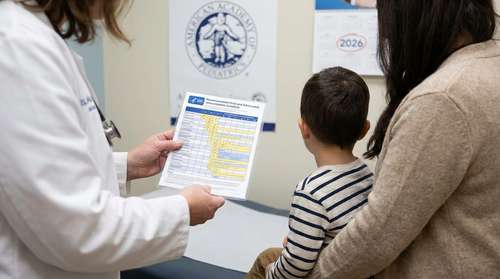
To combat the spread and protect the most vulnerable, school districts nationwide are aggressively updating unvaccinated student health protocols. In areas experiencing active clusters, health departments are mandating extended exclusion periods for students lacking immunization records. Because the highly contagious measles virus can linger in the airspace of a room for up to two hours after an infected person has left, relying solely on symptom screenings at the schoolhouse door is grossly inadequate. Health officials argue that strict adherence to immunization requirements is the only viable method to break the chains of transmission and protect immunocompromised students.
MMR Vaccine Safety for Families: The Only Proven Shield
The science surrounding prevention is unequivocal. The wild-type measles virus—the naturally circulating strain—is the sole trigger for subacute sclerosing panencephalitis. Therefore, communicating MMR vaccine safety for families is the top priority for health organizations this spring.
Researchers emphasize that the vaccine-strain virus does not cause SSPE. The wild-type strains possess specific genetic motifs that allow them to spread into neural tissue—a mechanism entirely absent in the safe, lab-adapted vaccine. When parents understand that the shot is literally a shield against future brain damage, the calculus of risk shifts dramatically.
The vaccine is up to 97% effective with two doses and has a decades-long track record of preventing not just the acute illness, but also its deadly downstream consequences. If a child is exposed to the wild virus before receiving their shots, there is currently no cure or reliable treatment to stop SSPE once symptoms begin—only supportive care to manage seizures and physical decline. As the medical community races to contain this emergency, the message from the front lines is definitive: vaccination is the only way to close the door on this devastating neurological threat.