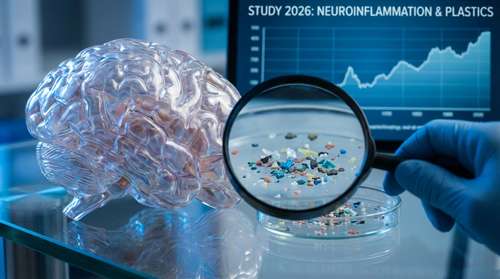
The human brain is fortified by a biological fortress known as the blood-brain barrier, designed to keep harmful substances out and protect delicate neural networks. But a landmark study published on March 13, 2026, reveals that a modern, invisible threat has breached the gates. Microscopic plastic particles, ubiquitous in our food, water, and air, are infiltrating neural tissues and triggering severe immune responses. As researchers uncover the profound connection between microplastics and brain health, these pervasive pollutants are emerging as a primary driver for the cellular damage and protein misfolding long associated with severe neurological conditions.
The Invisible Invasion: How Microplastics Breach the Brain
For decades, scientists viewed plastic pollution primarily as an ecological disaster. Today, it is undeniably a human health crisis. The latest research, spearheaded by teams at the University of Technology Sydney, demonstrates exactly how these tiny fragments—shed from everyday items like synthetic clothing, food packaging, and tea bags—find their way into our most vital organs. Pharmaceutical scientists estimate that adults inadvertently consume roughly 250 grams of microplastics annually. That is the equivalent of eating an entire dinner plate made of solid plastic every single year.
Once inside the bloodstream, these fragments do not simply pass through the digestive tract and exit the body. Researchers found that microplastics physically weaken the blood-brain barrier, making it abnormally leaky. As these foreign invaders slip into neural tissues, the brain's immune system launches an immediate defense. This aggressive immune response sparks chronic inflammation, putting environmental toxins and aging on a dangerous collision course.
Five Biological Pathways to Cellular Damage
To understand how these pollutants accelerate neurological decay, scientists mapped out five distinct biological mechanisms triggered by plastic exposure. When microplastics breach the brain, they activate local immune cells, spike oxidative stress, further degrade the blood-brain barrier, impair mitochondrial energy production, and inflict direct physical damage on neurons.
By starving neurons of the energy they need to function and simultaneously bombarding them with unstable reactive oxygen species, microplastics create a highly toxic environment. This sustained cellular stress is now being classified among the most critical Alzheimer's risk factors 2026 has brought to light. It fundamentally reshapes our understanding of why dementia rates, which already affect over 57 million people globally, continue to climb at such alarming rates.
Protein Misfolding and the Dementia Connection
The physical presence of plastic in the brain also disrupts fundamental biological processes at the molecular level. Parallel studies have shown that certain nanoplastics, specifically polyethylene and polystyrene, strongly interact with α-synuclein. This is the specific protein whose misfolding is heavily implicated in neurodegenerative disorders. When plastics catalyze this protein aggregation, they essentially seed the brain for disease.
Experts studying healthy aging cognitive decline have noted that these physical disruptions accelerate the disease process. Recent tissue analyses revealed that brain samples from patients diagnosed with dementia contained up to ten times the concentration of plastic compared to healthy individuals. While scientists are still working to definitively prove direct causation, the stark correlation between neuroinflammation and plastics is impossible to ignore. The accumulation of these particles acts as a persistent biological irritant, fast-tracking the pathology of severe cognitive disorders.
Actionable Steps for Protecting Your Mind
As the scientific consensus solidifies, public health experts are urging individuals to minimize their exposure immediately. While completely eliminating plastic from modern life is virtually impossible, targeted lifestyle changes now form the foundation of proactive Parkinson's disease prevention and cognitive longevity.
Start by auditing your kitchen habits. Swap out plastic cutting boards, which can shed thousands of microscopic fragments into your food with every slice of a knife. Transition away from plastic storage containers, particularly when heating meals in the microwave, and choose natural fibers like cotton or wool over synthetic clothing when possible. Filtering your tap water and avoiding highly processed foods packaged in single-use plastics can also drastically reduce your annual intake.
The broader conversation around preventing brain aging 2026 has fundamentally shifted. Maintaining a sharp mind is no longer just about doing crossword puzzles, eating a balanced diet, and maintaining cardiovascular health. It now requires a proactive, daily defense against microscopic environmental pollutants. By understanding the invisible threat and consciously reducing our daily plastic footprint, we can help protect our blood-brain barrier and preserve our cognitive health for decades to come.