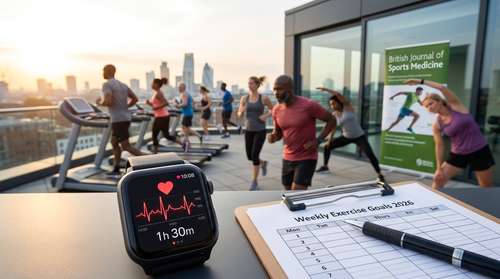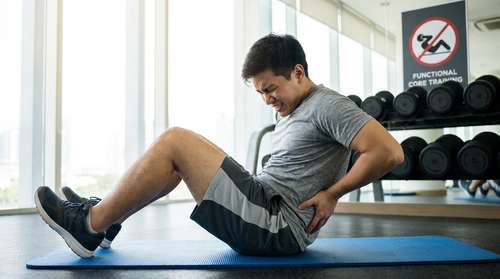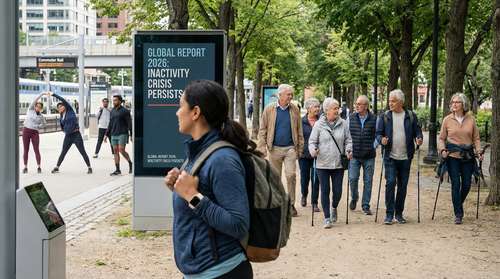
The release of the highly anticipated global inactivity report 2026 this week has delivered a sobering reality check to the public health sector. According to the comprehensive analysis led by researchers at the University of Texas at Austin and published in Nature Medicine, global physical inactivity levels have remained stagnant for two full decades. Despite a booming multibillion-dollar wellness industry, one in three adults and eight in ten adolescents worldwide still fail to meet the World Health Organization's basic baseline of 150 minutes of moderate exercise per week. The traditional strategy of pushing people toward expensive facility memberships and exhausting, hour-long regimens has undeniably failed.
In response to this systemic stagnation, a radical paradigm shift is rapidly gaining traction. Enter the un-gym fitness movement. Rather than forcing grueling sweat sessions in isolated weight rooms, millions are embracing a more sustainable, holistic approach. By prioritizing spontaneous physical exertion and deep social connection, this new wave of wellness offers a realistic antidote to the modern sedentary epidemic.
The Rise of Lifestyle Integrated Movement
For decades, society has treated exercise as a secondary chore—an isolated block of time carved out of an already demanding day. The massive failure highlighted in the recent inactivity data proves this model is fundamentally incompatible with modern life. Now, behavioral health experts are shifting their focus toward lifestyle integrated movement. This concept weaves physical exertion seamlessly into our daily routines, completely removing the friction of packing a gym bag, commuting to a fitness center, and dedicating an uninterrupted hour to working out.
Instead of relying on sheer willpower to sustain a grueling routine, modern wellness strategies leverage environmental design. The idea is to transform everyday environments—our offices, neighborhoods, and living rooms—into natural spaces for movement. Whether it is walking meetings, cycling to the grocery store, or opting for a standing desk, integrating activity into the fabric of the day proves far more effective than isolated bursts of forced labor. People are finally finding joy in moving naturally, effectively dismantling the psychological barriers that keep so many individuals trapped on the couch.
Japanese Interval Walking Clubs Take Center Stage
One of the most promising global exports in this new era of community health originates from Nagano, Japan. Decades ago, researchers at Shinshu University, led by Professor Hiroshi Nose, developed the interval walking training (IWT) method. The science is brilliantly straightforward: alternate three minutes of brisk, fast-paced walking—pushing your heart rate to about 70 to 85 percent of its maximum—with three minutes of a slower, recovery stroll. You simply repeat this cycle five times for a complete 30-minute session.
What began as a localized clinical initiative has now exploded into vibrant Japanese interval walking clubs springing up in urban parks and suburban neighborhoods worldwide. These groups masterfully blend the scientifically proven cardiovascular benefits of intermittent exertion with the powerful accountability of modern social fitness trends. You do not need expensive specialized equipment, extensive training, or a prohibitive monthly subscription to participate.
Participants simply gather together, follow the three-minute intervals, and use the slower recovery phases to chat and connect. It is a masterclass in community-based exercise that addresses two modern crises simultaneously: physical inactivity and the growing epidemic of social isolation. People keep showing up not out of a sense of obligation to burn calories, but out of a genuine desire to see their friends.
Snacking on Exercise: Micro-Fitness for Longevity
If dedicating 30 continuous minutes still feels out of reach on a chaotic weekday, clinical science offers an even more accessible alternative. Recent data published in the British Journal of Sports Medicine has validated the immense power of "exercise snacks"—brief, intense bursts of activity lasting anywhere from one to five minutes. Taking the stairs instead of the elevator, doing a rapid set of squats during a television commercial break, or marching in place while a kettle boils all count toward your daily total.
Embracing micro-fitness for longevity directly counteracts the vascular damage caused by prolonged sitting. These high-intensity micro-sessions stimulate mitochondrial biogenesis, which essentially upgrades the powerhouses of your cells. Over time, these brief spurts expand blood plasma volume, improve oxygen transport, and enhance blood sugar regulation. Research clearly indicates that accumulating just a handful of these vigorous micro-movements daily—totaling slightly over three minutes—can slash the risk of major cardiac events by up to 45 percent. It is a revolutionary concept that proves you do not need to be drenched in sweat to add healthy, vibrant years to your lifespan.
Why the 'Un-Gym' Approach Will Define the Next Decade
The stark statistics from the past twenty years serve as a vital wake-up call. We can no longer afford to view human health through the narrow, commodified lens of traditional fitness facilities. The current revolution thrives specifically because it is highly adaptable, deeply forgiving, and inherently human.
By breaking physical activity down into manageable, bite-sized pieces—whether through a vibrant local walking group or a two-minute stair climb in your living room—we eliminate the intimidation factor that keeps millions sedentary. The ultimate solution to our global health crisis is not manufacturing more complex gym equipment; it is redesigning our daily lives to ensure that movement is a natural, shared, and frequent celebration of what our bodies can do.