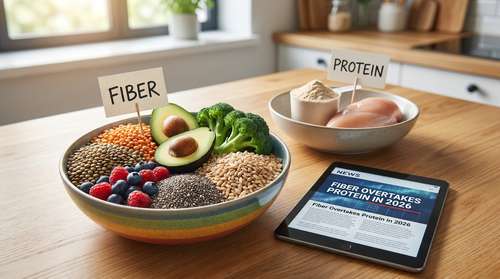
Mid-April 2026 retail data and consumer reports have confirmed a massive shift in the American diet: fiber has officially dethroned protein as the top nutritional priority. For decades, the wellness industry obsessed over maximizing daily protein intake. Now, driven largely by millions of individuals navigating the GLP-1 medication landscape, the fibermaxxing trend 2026 has taken center stage.
What exactly is fibermaxxing? It is the intentional practice of maximizing daily dietary fiber intake—aiming for or slightly exceeding the recommended 25 to 38 grams per day. With over 90% of women and 97% of men traditionally falling short of these targets, this cultural pivot toward high-fiber eating marks a profound, desperately needed shift in how we approach long-term metabolic health.
The Data Behind the Fibermaxxing Trend 2026
The writing has been on the wall since late last year, but recent April 2026 foodservice and retail reports solidify the takeover. Consumer interest in fiber-rich foods has surged, particularly among Gen Z and millennials. Major industry leaders are openly acknowledging the shift, with food and beverage executives publicly predicting that fiber is the defining macronutrient of the year.
This isn't merely a fleeting social media fad. Shoppers are abandoning hyper-processed protein bars in favor of whole foods and snacks that promote systemic wellness. The demand for prebiotic nutrition for gut health has skyrocketed as people recognize that a thriving microbiome affects everything from cognitive function to immune support and skin clarity.
The GLP-1 Era: Fiber vs Protein for Satiety
The primary catalyst for this nutritional revolution is the widespread adoption of GLP-1 receptor agonists for weight management. As these medications reshape global eating habits, patients are learning that while protein is necessary for muscle preservation, fiber is the ultimate tool for sustained fullness.
When evaluating fiber vs protein for satiety, fiber offers unique mechanical and hormonal benefits. Soluble fiber dissolves in water, creating a gel-like substance that drastically slows digestion and stabilizes blood sugar. Interestingly, consuming adequate dietary fiber naturally stimulates the body's own endogenous GLP-1 production, enhancing the appetite-suppressing effects of these treatments.
GLP-1 Diet Side Effects Management
As medication usage scales, GLP-1 diet side effects management has become a critical topic for patients and clinicians alike. The delayed gastric emptying caused by these drugs often leads to gastrointestinal discomfort, bloating, and severe constipation. Healthcare providers are heavily recommending a steady, well-hydrated increase in dietary fiber to keep the digestive tract moving smoothly and mitigate these common hurdles.
Prebiotic Nutrition for Gut Health and Daily Routines
While the goal of maximizing fiber is highly beneficial, clinical dietitians warn against taking it to the extreme too quickly. Jumping from 10 grams to 40 grams of fiber overnight is a guaranteed recipe for bloating and gas. The smartest approach involves a gradual ramp-up over several weeks, focusing on whole-food sources that provide a wide spectrum of micronutrients and antioxidants.
Best Fiber Foods for Weight Loss
To hit your daily targets effectively without overwhelming your system, incorporate the best fiber foods for weight loss into your meals:
- Berries: Raspberries and blackberries pack roughly 8 grams of fiber per cup, offering a massive nutritional punch with minimal calories.
- Legumes: Lentils, chickpeas, and black beans are the undisputed champions of the fiber world, providing a balanced mix of both soluble and insoluble fiber.
- Cruciferous Vegetables: Broccoli, Brussels sprouts, and artichokes offer substantial bulk that aids digestion and supports a diverse microbiome.
High Fiber Pantry Staples
Stocking up on high fiber pantry staples ensures you never fall short of your daily goals, even on busy days. Keep items like chia seeds, flaxseed, quinoa, and high-fiber bran cereals readily available. A single tablespoon of chia seeds added to a morning yogurt parfait instantly boosts your intake by nearly 5 grams. Swapping out traditional white rice for farro or quinoa can also seamlessly add extra grams to your dinner plate.
The Future of Metabolic Health Supplements 2026
Even with the best intentions, hitting 30-plus grams of fiber through whole foods alone can be challenging during a hectic workweek. This reality has sparked a massive evolution in the supplement aisle. The latest metabolic health supplements 2026 are pivoting away from heavy whey powders and moving toward sophisticated, multi-functional fiber blends.
These next-generation formulas often combine soluble fibers like psyllium husk or guar gum with targeted probiotics to maximize gut health without causing immediate distress. They are specifically formulated to support blood sugar regulation and complement the dietary needs of the modern consumer.
The era of obsessing over every gram of protein has peaked. As we move deeper into 2026, intentionally loading up on fiber has proven to be far more than just a viral hashtag—it is the foundation of a modern, evidence-based approach to longevity, weight management, and digestive wellness.