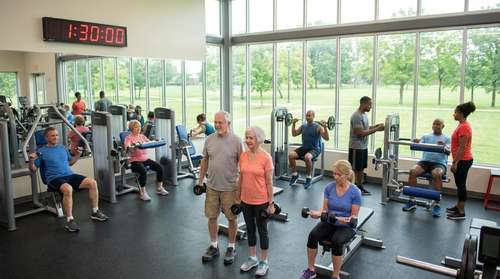
For decades, fitness culture has pushed a "more is better" narrative. If you want to live a long, healthy life, the assumption was that you needed to spend countless hours grinding away in the weight room. But groundbreaking new research has flipped this script. When it comes to strength training longevity, science has officially identified a "Goldilocks" zone—and it requires far less time than you might think. A massive new study reveals that hitting a specific weekly exercise sweet spot is all it takes to maximize your lifespan while protecting your heart and brain.
The 30-Year Study That Redefined Resistance Training Health Benefits
Published in early June 2026, a comprehensive British Journal of Sports Medicine study has fundamentally changed our understanding of exercise volume and lifespan. Researchers analyzed data from over 147,000 adults over a 30-year period. By pulling from extensive, long-running databases like the Nurses' Health Study and the Health Professionals Follow-up Study, scientists pinpointed exactly how much weight training to live longer is necessary.
Their definitive conclusion? Just 90 to 120 minutes of resistance work per week delivers the maximum protective benefits against premature death. The study tracked participants whose average starting age was 54, monitoring their exercise habits and health outcomes over three decades. The data showed that individuals who completed 90 to 119 minutes of strength training weekly experienced a 13 percent lower risk of death from any cause compared to those who did no resistance training.
Neurological and Cardiovascular Protections
The resistance training health benefits observed were particularly striking for specific age-related diseases. Hitting this 90-to-120-minute target resulted in a 19 percent lower risk of death from cardiovascular disease. Even more remarkably, this same moderate amount of lifting was linked to a staggering 27 percent lower risk of death from neurological conditions, such as Alzheimer's and dementia.
Interestingly, participants who spent more than two hours per week lifting weights saw their mortality benefits plateau. The extra hours spent under the bar did not add further protection, proving that consistency matters far more than excessive workout volume.
Why Muscles Matter for Long-Term Survival
Why does muscle mass have such a profound impact on lifespan? As we age, our bodies naturally lose muscle tissue and function—a progressive condition known as sarcopenia. This gradual physical decline is directly linked to frailty, loss of independence, and an increased risk of debilitating falls, which are a leading cause of accidental mortality in older adults. However, the systemic benefits of lifting weights extend far beyond basic physical stability.
Engaging your muscles through targeted resistance work improves insulin sensitivity and helps regulate blood sugar, effectively shielding the body from metabolic diseases. Furthermore, skeletal muscle acts as an endocrine organ. When muscles contract during resistance exercises, they release biochemical signals known as myokines. These signaling proteins travel throughout the body, crossing the blood-brain barrier to reduce systemic inflammation and stimulate neurogenesis (the growth of new brain cells), which helps explain the steep drop in neurological mortality rates.
Crafting the Ultimate Cardiovascular Health Workout
While lifting weights is crucial, the researchers emphasized that your muscles and your heart work best as a unified team. The absolute lowest overall mortality risk was found in individuals who combined their weekly strength training with traditional aerobic exercise.
When the 90-to-120-minute strength routine was paired with regular, moderate cardio—such as brisk walking, swimming, or cycling—participants saw an incredible 45 percent reduction in their overall mortality risk. This dynamic combination creates the ultimate cardiovascular health workout protocol, ensuring both your cardiovascular system and musculoskeletal structure remain highly resilient as you age.
Practical Ways to Hit Your Weekly Exercise Sweet Spot
You do not need an expensive gym membership or complex machinery to reap these life-extending rewards. The researchers categorized resistance training broadly, including everything from heavy barbell lifts to simple bodyweight movements. The primary goal is simply to challenge your muscles to the point of fatigue.
- Two 45-Minute Sessions: Perfect for weekend warriors or those with packed mid-week schedules.
- Three 30-Minute Sessions: Ideal for breaking up the workday or squeezing in a quick morning routine.
- Four 25-Minute Sessions: A great approach for beginners using bodyweight exercises like push-ups, squats, and lunges at home.
Beginners should focus on foundational compound movements that recruit multiple muscle groups simultaneously. Exercises such as goblet squats, deadlifts, overhead presses, and bodyweight lunges offer the most value when trying to accumulate your weekly minutes. If you are currently sedentary, start with just two 20-minute sessions per week and gradually scale up as your work capacity improves.
The most empowering takeaway from this massive three-decade analysis is that perfection and exhaustion are not required for longevity. By answering the persistent question of how much time we really need to spend lifting, science has given busy adults a highly manageable, realistic target. Simply crossing that 90-minute weekly finish line is enough to trigger profound cellular and metabolic benefits that will protect your body for decades to come.