For years, the gold standard of fitness was sweat, exhaustion, and the relentless pursuit of a higher heart rate. But as we navigate early 2026, the gym floor looks profoundly different. Instead of pushing to the point of collapse, a growing wave of people are slowing down, lying on mats, and tuning into their internal landscapes. Welcome to the era of somatic exercise 2026—a movement that has triggered a staggering 2,120% surge in search interest practically overnight. The fitness industry is undergoing a paradigm shift, replacing the grueling hustle culture of the past with a new, urgent mandate: physiological and emotional healing.
The Dawn of Nervous System Regulation Workouts
We are living through an epidemic of cognitive overwhelm and chronic burnout, leading fitness enthusiasts to fundamentally rethink their routines. Consequently, nervous system regulation workouts have emerged not just as a niche wellness fad, but as the premier fitness objective of the year. The philosophy driving this trend is simple yet revolutionary: rather than adding more physical stress to an already overburdened body, these routines prioritize returning the central nervous system to a baseline state of safety.
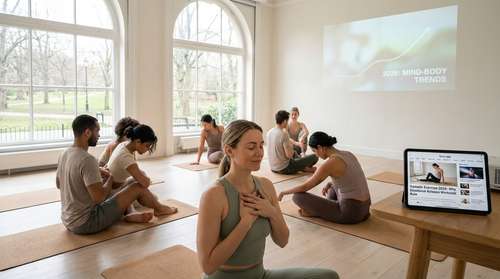
According to holistic trainers and somatic therapists, chronic stress and unprocessed trauma literally manifest as physical bracing patterns in our muscles and fascia. We unconsciously hold our breath, clench our jaws, and lock our hips when facing daily anxieties. Somatic routines systematically unravel these holding patterns. By focusing intensely on interoception—the felt sense of your internal bodily sensations—practitioners activate the parasympathetic nervous system, shifting effectively from a panicked 'fight or flight' mode into a restorative 'rest and digest' state.
What Exactly is an Emotional Release Exercise?
An emotional release exercise is less about what a movement looks like in a mirror and entirely about how it feels from within. Originally rooted in the theories of movement pioneer Thomas Hanna and the trauma healing frameworks of Dr. Peter A. Levine, somatics has officially crossed over from clinical therapy into mainstream gym culture. It blends mindful, deliberate movements with deep internal awareness to process stagnant energy.
Moving Through the Tension
When you engage in somatic movement for stress, you aren't just stretching a tight hamstring; you are retraining the brain-to-muscle connection. Techniques like gentle rocking, body scanning, and therapeutic shaking mimic the biological responses animals instinctively use in the wild to discharge adrenaline after a physical threat. This physical release allows stagnant emotional energy to finally move through and out of the body. Practitioners frequently report experiencing a profound sense of lightness, sudden tears, or spontaneous laughter as their fascial tissues finally let go of years of accumulated tension.
Somatic vs HIIT: A New Metric for Success
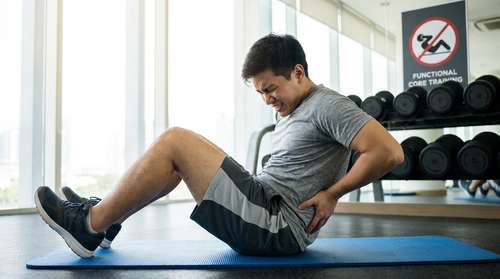
The great debate of somatic vs HIIT defines this year's fitness landscape. For the past decade, high-intensity intervals were championed as the ultimate, time-efficient path to peak health. However, sports scientists and longevity experts now caution that pushing an already stressed nervous system through grueling HIIT circuits can severely spike cortisol levels, potentially blunting the benefits of the workout entirely and leading to deeper exhaustion.
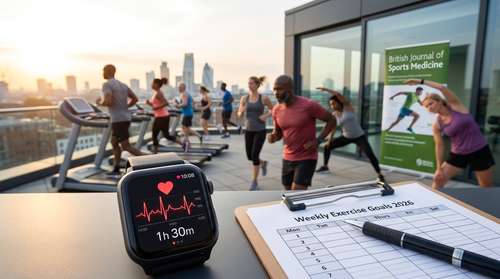
The most impressive metric at the gym today isn't your one-rep max or how many calories your wearable device claims you burned. Instead, it is your recovery rate—how quickly and efficiently your heart rate returns to a baseline calm. This vital shift highlights why mind-body fitness trends are rapidly replacing purely aesthetic goals. By integrating breathwork and slow movement directly into the session, somatic practices build long-term resilience, teaching the physical body how to process and recover from stressors without breaking down.
Integrating Holistic Recovery Techniques
You don't need to dedicate hours to a specialized studio to see the profound benefits of this movement. In fact, research dominating the 2026 wellness space shows that short, intentional 'movement snacks' of just five to ten minutes are significantly more effective for nervous system hygiene than a single, punishing hour at the gym.
These holistic recovery techniques can be woven seamlessly into the fabric of your day. Feeling overwhelmed after a tense morning meeting? A two-minute sequence of bilateral tapping, often called a butterfly hug, or gentle hip sways can immediately disrupt a physiological stress response. Waking up with a stiff neck? A slow, floor-based pelvic clock exercise combined with 'voo sounding'—a deep vocal vibration that stimulates the vagus nerve—can promote a cascade of relaxation before you even pour your morning coffee. Ultimately, the somatic surge proves that the most powerful thing you can do for your physical health right now is to stop fighting your body, and start listening to it.