It has been nearly two months since the Department of Health and Human Services (HHS) and the USDA released the controversial 2025-2030 Dietary Guidelines for Americans, yet the seismic shifts in federal nutrition policy continue to dominate headlines this week. In a move that has stunned the traditional dietetics community and energized the "Make America Healthy Again" (MAHA) movement, the new framework explicitly categorizes whole animal fats—including beef tallow and butter—as "healthy fats," effectively declaring an end to the government's decades-long war on saturated fats. As schools and federal programs begin the complex process of implementation this week, the debate over this radical departure from conventional nutrition science is reaching a fever pitch.
The New "Real Food" Pyramid: A Radical Inversion
The most visible symbol of this policy shift is the introduction of the "Inverted Food Pyramid," a graphic that has replaced the MyPlate model in federal educational materials. Unveiled by HHS Secretary Robert F. Kennedy Jr. and USDA Secretary Brooke Rollins, the new visual prioritizes nutrient-dense animal proteins and fresh produce at its widest top section, while relegating grains—formerly the foundation of the American diet—to the narrow bottom tip.
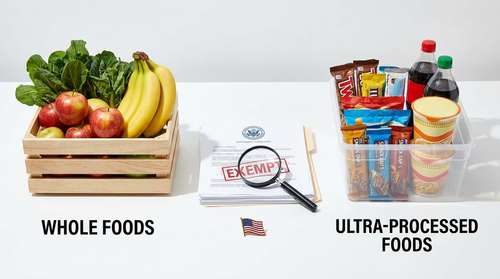
This USDA food pyramid 2026 update is not merely aesthetic; it represents a fundamental philosophical pivot toward "ancestral" and whole-food nutrition. For the first time, red meat, eggs, and full-fat dairy are grouped alongside vegetables as primary staples. The guidelines explicitly advise Americans to "prioritize whole, nutrient-dense foods" and drastically reduce consumption of ultra-processed foods (UPFs), which the administration has labeled the primary driver of the nation's chronic disease epidemic.
Beef Tallow and the Return of Traditional Fats
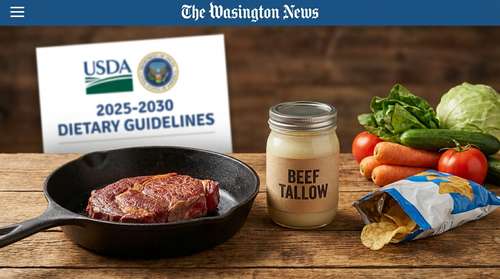
Perhaps the most polarizing aspect of the new guidelines is the specific endorsement of beef tallow health benefits. For decades, Americans were told to replace animal fats with industrial seed oils like soybean and canola oil to reduce cholesterol. The 2025-2030 guidelines reverse this advice, encouraging the use of stable, traditional fats for cooking.
Secretary Kennedy has been vocal about this shift, famously stating that the "MAHA way" involves returning to the fats used by previous generations. The guidelines now list tallow, butter, and ghee as preferred cooking mediums over processed vegetable oils, citing their oxidative stability and lack of inflammatory additives. This week, reports from the beef industry indicate a surge in demand for rendered fats, with prices for high-quality tallow spiking as consumers rush to align their pantries with the new federal advice.
Saturated Fat and Heart Disease: The Scientific Standoff
While the MAHA movement health advocates celebrate these changes, the medical establishment remains deeply divided. A core contradiction in the new document has sparked intense debate among cardiologists in the last few days: while the text retains the longstanding recommendation to limit saturated fat to 10% of daily calories, the "healthy fats" category promotes foods naturally high in these very fats.
Critics argue that encouraging saturated fat heart disease risks are being downplayed. The American Heart Association and various vegan advocacy groups have issued sharp rebukes this week, warning that the unrestricted promotion of red meat and full-fat dairy could reverse progress in cardiovascular health. Conversely, the administration argues that the link between natural saturated fats and heart disease is based on flawed, outdated science, pointing instead to sugar and processed carbohydrates as the true culprits of metabolic dysfunction.
Protein Targets and the Fight Against Processed Foods
Beyond fats, the 2025-2030 Dietary Guidelines have introduced aggressive new protein targets. The recommended daily allowance has been bumped from 0.8 grams per kilogram of body weight to a range of 1.2 to 1.6 grams. This change aims to combat sarcopenia (muscle loss) and metabolic fragility, urging Americans to consume more high-quality protein from both animal and plant sources.
Simultaneously, the guidelines have declared a "war on added sugar," advising that no amount of added sugar is beneficial. This strict stance is accompanied by new whole food nutrition trends that discourage the consumption of "highly processed" vegan alternatives, which are often laden with sodium and artificial binders. This nuanced position—supporting whole-food plant-based eating while rejecting processed imitations—has created a complex new alliance between regenerative ranchers and whole-food advocates, even as it alienates manufacturers of plant-based meat alternatives.
Impact on Schools and Federal Programs
The rubber meets the road this month as schools participating in the National School Lunch Program receive initial guidance on adapting their menus. The RFK Jr nutrition policy directive emphasizes scratch cooking and the removal of seed oils from school fryers. While the timeline for full compliance spans several years, early adopters in several states have already begun swapping margarine for butter and reintroducing whole milk, signaling the beginning of a massive transformation in how America's children are fed.