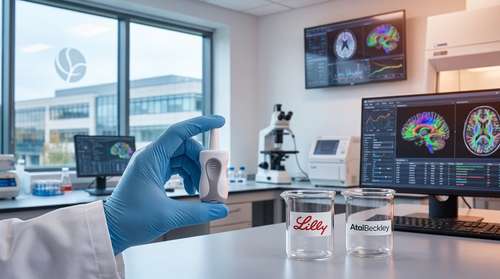
For millions of Americans living with chronic worry and dread, the psychiatric pipeline has felt stalled for nearly two decades. Now, a profound shift is occurring in pharmacotherapy. Leading the charge is the MM120 anxiety treatment, a pharmaceutical-grade, single-dose LSD derivative that recently entered its final stages of clinical evaluation and FDA review. Following remarkable trial results, this investigational drug is challenging everything doctors thought they knew about managing Generalized Anxiety Disorder (GAD).
Developed by biopharmaceutical company MindMed, MM120 (lysergide d-tartrate) operates on a completely different premise than traditional medications. Instead of requiring patients to take a daily pill to suppress symptoms, this new therapy utilizes a targeted, orally disintegrating tablet to produce profound, long-lasting relief from just one dose.
A Paradigm Shift in Treatment-Resistant Anxiety Relief
Generalized Anxiety Disorder is a debilitating condition that affects an estimated 26 million adults, characterized by persistent, excessive worry that interferes with daily functioning. For years, the standard of care has relied heavily on selective serotonin reuptake inhibitors (SSRIs) or benzodiazepines. However, SSRIs can take weeks or even months to show any clinical benefit, and they often come with a host of systemic side effects. Benzodiazepines, while fast-acting, carry severe risks of dependency and cognitive blunting.
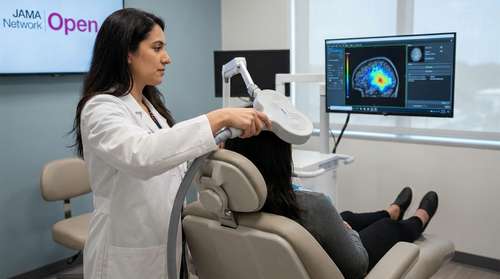
The data propelling MM120 through the regulatory process has caught the attention of the psychiatric establishment precisely because it circumvents these traditional pitfalls. In a highly scrutinized Phase 2b study published in JAMA in late 2025, researchers evaluated 198 adults suffering from moderate-to-severe GAD. The results were unprecedented for a standalone pharmacological intervention.
Patients receiving an optimal 100-microgram dose of MM120 experienced rapid, clinically meaningful improvements. By day two post-treatment, anxiety scores plummeted. Even more remarkably, at the 12-week follow-up, 65 percent of participants demonstrated a sustained clinical response, and 48 percent had reached full clinical remission. These figures offer unparalleled hope for true treatment-resistant anxiety relief.
The Impact of FDA Breakthrough Therapy Status
These durability metrics effectively secured the drug's status as an FDA breakthrough therapy. This specialized designation is reserved solely for medications that show substantial improvement over existing treatments for serious conditions. It allows federal regulators to involve themselves heavily in clinical trial design and expedite the review process. As we move through the first half of 2026, this accelerated pathway means a viable commercial product is closer than previously imagined.
Redefining Psychedelic-Assisted Therapy
Perhaps the most disruptive aspect of using LSD for generalized anxiety disorder in this modern medical context is the delivery model. Up to this point, most clinical research surrounding psychedelics—such as MDMA for PTSD or psilocybin for depression—has relied heavily on intensive, concurrent psychotherapy. Patients often spend dozens of expensive hours with specially trained therapists before, during, and after their dosing sessions.
MM120 completely bypasses that requirement. The clinical trials achieved their massive symptom reductions as a monotherapy. While patients are supervised by clinical staff for safety during the acute 6-to-12-hour effects of the drug, there is no mandated psychological intervention. This approach drastically reduces the resource burden on clinics, eliminating the bottleneck of requiring highly specialized therapists for every patient.
Managing the Acute Experience
Of course, utilizing a potent compound requires strict safety protocols. Clinical data indicates the drug is generally well-tolerated, with adverse events largely confined to the actual day of dosing. Patients commonly reported transient effects consistent with classic psychedelics, including temporary visual illusions, euphoric mood, mild headache, and nausea. Once the acute effects wore off, these immediate side effects dissipated, leaving behind sustained psychological clarity.
Leading the Pack of New Anxiety Medications 2026
The psychiatric community is closely watching the first half of 2026, as MindMed prepares to release the topline data from its pivotal Phase 3 trials. Two concurrent Phase 3 studies are rigorously testing the MM120 orally disintegrating tablet for GAD. Researchers are measuring changes in anxiety symptoms over a 12-week primary period while continuing to track participants for up to a full year to assess long-term safety and efficacy.
If the FDA greenlights the application following these trials, the Drug Enforcement Administration will be required to reschedule this specific medical formulation, fundamentally altering the landscape of controlled substances. This regulatory milestone would open the floodgates for a broader mental health innovation wave, proving that carefully formulated psychedelic-derived compounds can safely transition from stigmatized substances to standard-of-care medical treatments.
For patients who have spent years cycling through therapies without success, the wait for a true alternative might finally be over. The shift from chronic daily medication to a single, highly effective intervention could soon become a reality in neighborhood clinics, marking a permanent transformation in modern psychiatric care.