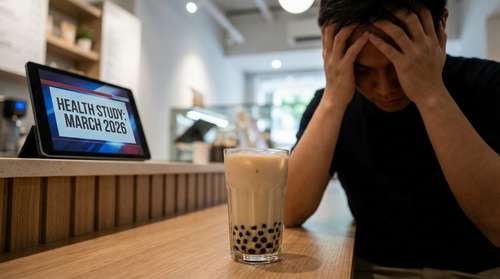
A breaking report released on March 1, 2026, has sent shockwaves through the beverage industry and health communities alike: frequent consumption of bubble tea is now significantly linked to increased rates of anxiety and depression. The study, which synthesizes data from global health monitoring agencies and recent toxicological screenings, suggests that the beloved drink's "double whammy" of extreme sugar content and heavy metal contamination in tapioca pearls may be fueling a silent mental health crisis.
The Sweet Danger: Sugar's Role in Mental Health
For years, health experts have warned about the physical risks of sugary drinks, such as obesity and diabetes. However, this new research pivots the focus to the brain. The study highlights that a typical 16-ounce serving of bubble tea can contain upwards of 50 grams of sugar—well above the daily recommended limit. This massive glucose spike is often followed by a hypoglycemic crash, which triggers the body's stress response.
"When blood sugar plummets, the body releases cortisol and adrenaline to compensate," explains Dr. Elena Ross, a neuro-nutritionist cited in the report. "For daily consumers, this creates a chronic state of 'fight or flight,' manifesting as jitteriness, irritability, and eventually, clinical anxiety." The report further details how chronic inflammation caused by high sugar intake can disrupt neurotransmitter function, potentially lowering serotonin levels and paving the way for depressive symptoms.
Toxic Pearls: The Lead Contamination Concern
Perhaps the most alarming aspect of the March 1 report is the renewed focus on tapioca pearls lead contamination. Tapioca pearls are derived from cassava, a root vegetable known to essentially act as a sponge, absorbing heavy metals like lead from the soil. The study references recent screenings—echoing findings from late 2025 by consumer watchdog groups—that detected concerning traces of lead in boba pearls from several major supply chains.
While the levels in a single cup might not be lethal, the research warns of the cumulative effect. Lead is a potent neurotoxin that accumulates in the body over time. Even low-level exposure has been linked to cognitive deficits, mood destabilization, and behavioral issues. "We are seeing a correlation between individuals with higher blood lead levels—consistent with regular consumption of contaminated cassava products—and self-reports of severe depressive episodes," the study notes. This biological plausibility adds a grim layer to the health risks of bubble tea.
The Cycle of Addiction and Avoidance
Beyond the chemical impact, the report delves into the behavioral psychology behind bubble tea anxiety and depression. Drawing on data involving thousands of young adults, researchers identified a pattern of "coping consumption." Much like comfort eating, many individuals turn to the sugary, texturally satisfying drink to self-soothe during times of stress or loneliness.
However, this coping mechanism often backfires. The temporary dopamine hit from the sugar provides fleeting relief, only to be replaced by guilt, a sugar crash, and worsened mood, driving the person to seek another drink. This cycle mirrors addictive behaviors seen in substance abuse. A 2023 study from Tsinghua University had previously hinted at this, associating milk tea addiction with higher risks of suicidal ideation, and this new 2026 report confirms that the trend has only intensified.
Is It Time to Ditch the Boba?
The findings don't suggest that a single cup of bubble tea will cause a mental breakdown, but they do serve as a stark warning against daily indulgence. The bubble tea side effects are no longer just about calories; they are about neurochemistry.
Experts recommend treating bubble tea as an occasional treat rather than a daily staple. If you do indulge, opt for lower sugar levels (0% or 25%), avoid non-dairy creamers which often contain inflammatory trans fats, and perhaps skip the tapioca pearls in favor of jellies or just plain tea to minimize heavy metal exposure.
Looking Ahead: Mental Health News 2026
As mental health news 2026 continues to unfold, this report marks a pivot in how we view dietary habits and emotional well-being. Regulatory bodies are already facing pressure to mandate stricter heavy metal testing for imported tapioca starch and to place warning labels on high-sugar beverages. Until then, consumers are urged to look beyond the colorful aesthetics of their favorite drink and consider the invisible impact it may be having on their peace of mind.