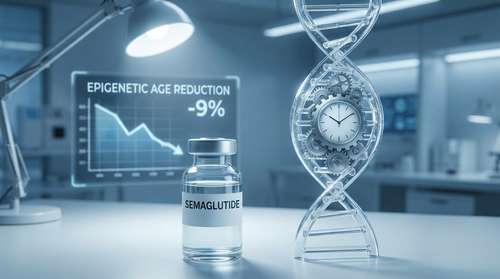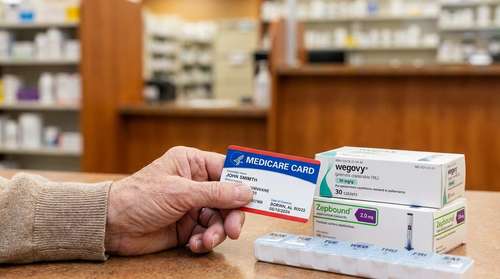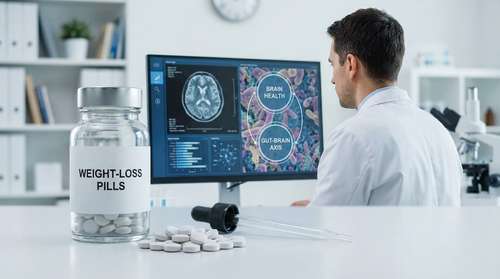
March 1, 2026 – For millions of Americans, the transition from weekly injections to daily pills has been the ultimate game-changer in weight management. But a groundbreaking study released today from Adelaide University suggests this convenience may come at a hidden cost. Researchers have discovered that salcaprozate sodium (SNAC)—the critical delivery agent that allows drugs like oral semaglutide to survive the stomach—may disrupt the gut microbiome and deplete vital brain proteins linked to cognitive health.
While the popularity of oral Ozempic side effects discussions often focuses on nausea or gastroparesis, this new data points to a silent, systemic issue. The findings, published this morning, raise urgent questions about the long-term safety of weight loss pills and aging, particularly for seniors who are most vulnerable to the delicate balance of the gut-brain axis 2026 research is now beginning to unravel.
The Hidden Cost of Convenience: What is SNAC?
To understand the risk, you first have to understand the engineering miracle that is the oral weight-loss pill. Glucagon-like peptide-1 (GLP-1) hormones are naturally fragile; if you swallowed them alone, your stomach acid would destroy them before they ever reached your bloodstream. This is where SNAC (salcaprozate sodium) comes in.
SNAC acts as a chemical "shield" and absorption enhancer. It temporarily neutralizes the pH around the pill in the stomach, allowing the medication to slip through the stomach lining and into the blood. Until now, SNAC was widely considered a passive carrier—a vehicle that drops off its passenger and leaves. However, the new Adelaide University study challenges this assumption, indicating that SNAC may be far more biologically active than previously thought.
"These medicines are typically taken daily and often for long periods," explains Dr. Paul Joyce, Senior Research Fellow at Adelaide University. "As their use expands globally, it becomes increasingly important to evaluate all components of these therapies, not just the active compound."
Connecting the Dots: Gut Health and Cognitive Decline
The 21-day study, conducted on animal models, tracked the biological footprint of repeated SNAC exposure. The results were startlingly consistent. Researchers observed a significant depletion of Muribaculaceae and Bacteroidaceae, beneficial bacteria families responsible for breaking down dietary fiber and producing short-chain fatty acids (SCFAs).
Why does this matter for your brain? SCFAs are the peacekeepers of the body; they reinforce the gut lining and prevent inflammation. When these levels drop, the study found a corresponding rise in systemic inflammatory markers and, most concerningly, a reduction in a specific brain-derived protein associated with cognitive function. This depletion is a known biological marker for early cognitive impairment.
This connects directly to the emerging GLP-1 cognitive impairment risk conversation. It isn't the semaglutide itself that is the primary suspect in this specific mechanism, but the daily bombardment of the gut lining by the absorption enhancer. The findings suggest a potential "leak" in the gut-brain connection, where microbiome disturbance in the stomach echoes into neural health.
Implications for Healthy Aging
For patients over 60, these findings add a complex layer to the decision-making process. Healthy aging research updates have long emphasized the importance of a diverse microbiome for longevity. If a daily medication inadvertently sterilizes populations of good bacteria, it could accelerate "inflammaging"—chronic, low-grade inflammation that speeds up cellular aging.
Lead author and PhD candidate Amin Ariaee emphasized that while the drugs are effective for obesity—a condition that carries its own cognitive risks—we must scrutinize the delivery method. "While SNAC enables semaglutide to be taken as a tablet, our study found that it was also associated with shifts in potentially harmful gut bacteria... and depletion of proteins linked to cognitive impairment," Ariaee noted in the press release.
Key Findings at a Glance
- Microbiome Shift: severe reduction in fiber-digesting bacteria.
- Chemical Imbalance: Lower levels of protective short-chain fatty acids.
- Systemic Signs: Increased liver weight and blood inflammation markers.
- Neural Impact: Measurable drop in proteins vital for brain health.
Navigating the Future of Oral Weight Loss
It is crucial to contextualize these findings: this was an animal study, and human biology is more resilient. However, the SNAC ingredient brain health link warrants immediate follow-up in human trials. Regulatory bodies generally view SNAC as safe based on acute toxicity studies, but few studies have looked at the effects of daily ingestion over years or decades.
So, what should patients do? Experts advise against stopping medication abruptly, as uncontrolled obesity is also a major risk factor for dementia. However, this research suggests a need for heightened vigilance regarding semaglutide pill safety. Patients taking oral GLP-1s might consider discussing gut health support with their providers, such as increased prebiotic fiber intake or cycling usage, though no clinical protocols have yet been established based on this new data.
As we move further into 2026, the "miracle" of oral weight loss is facing its first major reality check. The goal remains the same—health and longevity—but the path there may require ensuring that in fixing our metabolic health, we aren't inadvertently compromising our minds.