In a historic move that signals a fundamental shift in modern medicine, the Advanced Research Projects Agency for Health (ARPA-H) has launched the VITAL-H clinical trial, a groundbreaking $38 million initiative designed to target the biological drivers of aging itself. Unlike traditional studies that wait for disease to strike, this nationwide effort will test whether repurposing FDA-approved drugs—including Rapamycin for longevity and Semaglutide—can proactively delay physical and mental decline in healthy adults. This launch marks a pivotal moment in healthy aging breakthroughs 2026, moving the needle from treating sickness to preserving vitality.
Testing the Holy Grail of Longevity Drug Research
The Validation and Intervention Testing for Aging, Longevity and Healthspan (VITAL-H) trial is not searching for a cure for a specific ailment. Instead, it is asking a far more radical question: Can we slow down the biological clock? Led by the renowned Barshop Institute for Longevity and Aging Studies at UT Health San Antonio, the study will recruit generally healthy adults aged 60 to 65 to evaluate three specific pharmaceutical interventions.
Researchers will focus on three potent compounds that have shown immense promise in preclinical longevity drug research:
- Rapamycin: An immunosuppressant that has consistently extended lifespan in animal models.
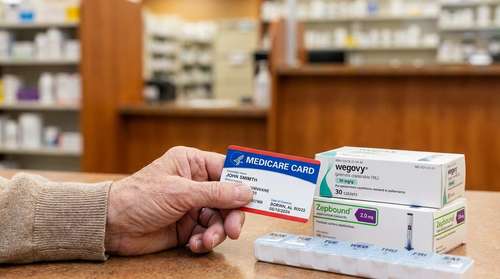
- Semaglutide: A GLP-1 agonist widely known for weight loss and diabetes management, now being tested for its systemic anti-aging effects.
- Dapagliflozin: An SGLT-2 inhibitor typically used for heart failure and kidney disease, showing potential to improve cellular resilience.
By administering these drugs to healthy individuals, scientists aim to prove that biological aging treatments can prevent the onset of frailty before it begins. "VITAL-H will help show whether we can preserve everyday abilities during a critical window of midlife aging," stated Dr. Andrew Brack, an ARPA-H program manager.
A Paradigm Shift: From Sick Care to Healthspan
For decades, the medical establishment has operated on a reactive model—intervening only after a diagnosis of cancer, heart disease, or dementia. The VITAL-H clinical trial represents a massive departure from this approach, funded under ARPA-H’s visionary PROSPR program (PROactive Solutions for Prolonging Resilience).
The goal is to extend "healthspan"—the number of years a person spends in good health—rather than just lifespan. Current estimates suggest that if biological aging could be reversed by just one year across the U.S. population, it could generate nearly $38 trillion in economic value through saved healthcare costs. This study is the first concrete step toward realizing that potential, positioning prevent age-related decline as a viable medical strategy rather than a futuristic dream.
Measuring What Matters: Intrinsic Capacity
One of the unique challenges in ARPA-H aging study design is measuring success. You cannot wait 30 years to see if participants live longer. To solve this, VITAL-H will utilize a metric called "Intrinsic Capacity," endorsed by the World Health Organization. This composite score evaluates:
- Cognition: Memory and processing speed.
- Locomotor function: Mobility, balance, and strength.
- Vitality: Energy levels and metabolic health.
- Sensory function: Vision and hearing acuity.
- Psychological wellbeing: Resilience and mood.
Participants will also be monitored using advanced wearable technologies to capture real-time data on their physiological state, allowing researchers to detect subtle shifts in biological age within a feasible timeframe.
Why This Matters Now
The launch of VITAL-H comes at a critical juncture. As the global population ages, the burden of chronic disease threatens to overwhelm healthcare systems. By identifying healthy aging breakthroughs 2026, this initiative offers a proactive solution. It validates the hypothesis that aging is not an inevitable slide into disability, but a biological process that can be modified, managed, and potentially slowed.
If successful, the findings from this $38 million investment could revolutionize how doctors prescribe medication in the future. Instead of waiting for high blood pressure or diabetes to develop, a physician might one day prescribe a low dose of Rapamycin or a similar compound to a 50-year-old patient to ensure they remain robust and active well into their 80s and 90s.