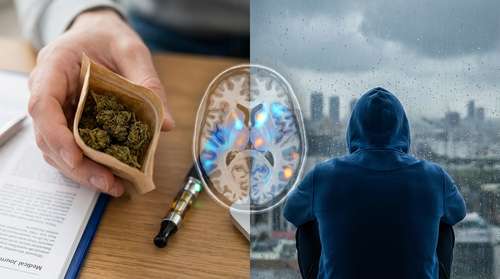
A massive new analysis of 35,000 people has uncovered a disturbing trend that could reshape the global conversation on marijuana legalization: cases of generalized anxiety and major depressive episodes have nearly doubled among cannabis users over the last decade. Published yesterday, February 26, 2026, in The Canadian Journal of Psychiatry, this landmark study led by McMaster University provides the strongest evidence to date that the link between cannabis and mental health disorders is intensifying as high-potency products flood the market.
The Strengthening Link Between Cannabis and Mental Health
For years, the debate has raged: does cannabis cause mental health issues, or do people with mental health struggles simply use cannabis to cope? This new research suggests the relationship is becoming dangerously intertwined. The study, which analyzed data from 2012 to 2022, found that the prevalence of generalized anxiety disorder (GAD) among cannabis users jumped to 5.2%, while major depressive episodes (MDE) climbed to 7.6%. These figures represent a near-doubling of rates compared to just ten years ago.
"We see that Canadians who use cannabis tend to be more likely to meet criteria for anxiety and depressive disorders, and more likely to report suicidality," said Jillian Halladay, an assistant professor at McMaster University and lead researcher on the project. "We also see that this co-occurrence has strengthened over time."
The findings are particularly alarming because they coincide with a period of rapid legalization and commercialization. As cannabis moved from the black market to legal dispensaries, the chemical composition of the drug changed drastically, a factor researchers believe is driving these soaring mental health statistics.
Youth Suicidality Trends and High-Potency Risks
Perhaps the most concerning data point in the McMaster University study 2026 is the sharp rise in suicidality among young people. While suicidal ideation remained relatively stable among adults, it spiked by 44% among youth cannabis users. This demographic appears uniquely vulnerable to the effects of modern marijuana products, which are vastly different from the "weed" of previous generations.
High-potency cannabis effects are likely a primary culprit. In the past, cannabis flower might have contained 2-4% THC. Today, standard legal flower often exceeds 20%, and concentrates—popular among youth—can reach potency levels of 90%. This dramatic increase in psychoactive strength places unprecedented stress on developing brains.
Dr. Halladay's team noted that frequent users—those consuming cannabis twice a week or more—were five times more likely to report mental health struggles by 2022 than non-users. This suggests a dose-response relationship where higher exposure leads to significantly worse outcomes.
Implications for Mental Health Awareness 2026
This study serves as a wake-up call for health policymakers in the United States and beyond. While the research data is Canadian, the trends mirror what American clinicians have been observing in emergency rooms and therapy sessions across the country. A separate study released just last week by Kaiser Permanente found similar risks among American teens, linking cannabis use to a doubled risk of psychotic and bipolar disorders.
Why This Matters Now
As we navigate mental health awareness 2026, the narrative around cannabis as a harmless, natural stress-reliever is being challenged by hard data. Many users turn to marijuana to alleviate symptoms of anxiety, creating a vicious cycle where the temporary relief masks a long-term worsening of their condition. This "self-medication" trap is becoming a public health crisis.
Experts are now calling for immediate changes in how patients are screened. Routine mental health check-ups should include specific questions about cannabis potency and frequency of use. Furthermore, public health guidelines need to be updated to reflect that high-potency products carry risks distinct from traditional cannabis use.
Actionable Steps for Users and Parents
Understanding these risks doesn't mean a return to "Reefer Madness" hysteria, but it does require a more nuanced, fact-based approach to consumption.
- Check the Potency: Be aware of THC levels. If you choose to use, lower-potency products may carry fewer psychiatric risks.
- Monitor Mental Health: If you experience increased anxiety or depressive thoughts after using, it may be a sign to cut back or stop.
- Start the Conversation: Parents need to discuss the specific dangers of concentrates and high-THC vapes with their children, as these are the products most strongly linked to the 44% rise in youth suicidality.
As the landscape of legal cannabis continues to evolve, so too must our understanding of its impact on the human mind. This latest research confirms that for a growing number of people, the cost of getting high may be their mental stability.