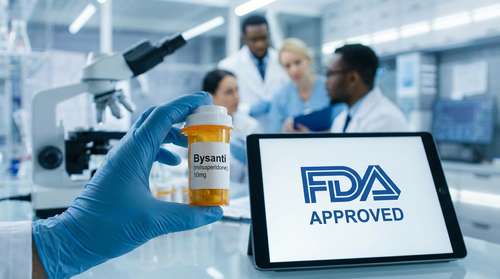
In a significant development for psychiatric care, the U.S. Food and Drug Administration (FDA) has officially approved Bysanti (milsaperidone), a novel atypical antipsychotic for the treatment of schizophrenia and acute manic or mixed episodes associated with Bipolar I disorder. Announced just this week and highlighted in Vanda Pharmaceuticals' latest investor update on February 26, 2026, this approval introduces a powerful new therapeutic option for millions of adults navigating complex mental health conditions. As the first major psychiatric medication breakthrough of 2026, Bysanti is poised to reshape treatment protocols with its unique dual-action mechanism and expected availability by the third quarter of this year.
A New Era for Psychiatric Medication Breakthroughs 2026
The approval of Bysanti marks a pivotal moment in the landscape of psychiatric medication breakthroughs 2026. Unlike typical generic alternatives, Bysanti is a New Chemical Entity (NCE) that leverages a distinct pharmacological profile. It functions as a dual-active system, where the parent drug, milsaperidone, rapidly interconverts with its active metabolite, iloperidone. This synergy allows for targeted engagement with brain receptors, offering a sophisticated approach to symptom management.
According to Vanda Pharmaceuticals, this unique structure is designed to provide the proven efficacy of established treatments while potentially offering a refined tolerability profile. "Bysanti exemplifies a new era of accelerated innovation," stated Dr. Mihael H. Polymeropoulos, CEO of Vanda Pharmaceuticals, emphasizing the drug's role in addressing the persistent unmet needs in behavioral health. With Vanda Pharmaceuticals news dominating industry headlines this week, the medical community is closely watching how this new agent will integrate into standard care.
How Bysanti Works: The Science of Milsaperidone
Understanding the mechanism of milsaperidone for schizophrenia and bipolar disorder is key to appreciating its potential. As an atypical antipsychotic drug, Bysanti works by modulating a specific set of neurotransmitter receptors in the brain. Its efficacy is driven by a high-affinity antagonism of:
- Dopamine D2 receptors: Helping to reduce hallucinations and delusions.
- Serotonin 5-HT2A receptors: Assisting in mood stabilization and negative symptom management.
- Alpha-1 adrenergic receptors: Providing a potential "anti-agitation" effect, which is particularly relevant for the treatment for manic episodes.
This receptor profile is significant. The strong alpha-adrenergic binding may make Bysanti particularly suitable for patients exhibiting high levels of arousal or hostility—symptoms that are often difficult to manage with current therapies. By balancing these neurotransmitter systems, Bysanti aims to restore stability without the heavy sedation or severe motor side effects sometimes associated with older antipsychotics.
Clinical Applications: Bipolar I and Schizophrenia
New Bipolar 1 Disorder Treatment Options
For patients facing the extreme highs and lows of Bipolar I, Bysanti offers a promising new bipolar 1 disorder treatment. The FDA approval specifically covers the acute treatment of manic or mixed episodes. These episodes can be dangerous and disruptive, characterized by racing thoughts, sleeplessness, and impulsive behavior. Bysanti's ability to rapidly address these acute symptoms provides clinicians with a robust tool to stabilize patients quickly, a critical factor in preventing hospitalization and long-term functional decline.
Redefining Schizophrenia Care
In the realm of schizophrenia, consistency is everything. Bysanti FDA approval brings a new daily oral option that has demonstrated bioequivalence to Fanapt (iloperidone), but with the added protection of a new patent life extending potentially to 2044. This ensures long-term availability and support for the drug. For adults struggling with the disorganized thinking and social withdrawal of schizophrenia, having access to a medication with a known safety lineage but a novel chemical structure offers a reassuring blend of innovation and reliability.
Availability and Safety Considerations
Patients and providers can expect Bysanti to land in pharmacies by Q3 2026. However, as with all potent psychiatric medications, informed usage is essential. The FDA label includes a boxed warning regarding increased mortality in elderly patients with dementia-related psychosis, a standard precaution for the class. Common side effects observed in trials included dizziness, dry mouth, and orthostatic hypotension (a drop in blood pressure upon standing), which doctors will monitor during the initial dosing phase.
Looking ahead, Vanda is not stopping at these two indications. The company is actively investigating Bysanti as an adjunctive treatment for major depressive disorder, with trial results expected later in 2026. This ongoing research underscores the drug's potential versatility across a spectrum of mood disorders.
What This Means for Patients
If you or a loved one manages Schizophrenia or Bipolar I disorder, the arrival of Bysanti represents more than just another pill; it represents choice. Every patient's neurochemistry is unique, and what works for one may not work for another. By expanding the toolkit of atypical antipsychotic drugs, the FDA and Vanda Pharmaceuticals have opened a door to potentially better symptom control and improved quality of life. As we move further into 2026, staying informed about these psychiatric medication breakthroughs will be vital for advocating for the best possible mental health care.