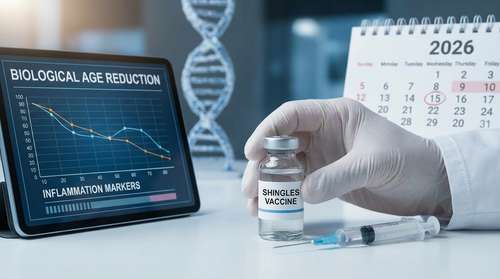
A groundbreaking new study released yesterday has uncovered a stunning potential benefit of the shingles vaccine: it may significantly slow down the biological aging process. In a landmark analysis of over 3,800 Americans aged 70 and older, researchers from the USC Leonard Davis School of Gerontology found that vaccinated individuals exhibited markedly reduced signs of cellular aging compared to their unvaccinated peers. This discovery, published on February 26, 2026, suggests that the vaccine does far more than prevent a painful rash—it may recalibrate the immune system to fight the systemic inflammation known as "inflammaging," offering a promising new frontier in healthy aging breakthroughs 2026.
Shingles Vaccine Aging Study: Key Findings
The study, which utilized data from the Health and Retirement Study, provides the first large-scale evidence linking shingles vaccine aging benefits to measurable biological markers. Researchers analyzed blood samples to assess DNA methylation—a chemical modification used to estimate "epigenetic age," or the true biological age of a person's cells regardless of their birth year. The results were striking: participants who had received the shingles vaccination showed significantly lower levels of C-reactive protein (a key marker of inflammation) and a reduced rate of epigenetic aging.
According to the findings, the protective effects were not merely transient. The data indicated that the biological age reduction persisted for at least four years post-vaccination. This suggests that the immune response triggered by the vaccine may have long-lasting systemic benefits, effectively turning back the biological clock for older adults. "This is one of the first times we've seen a standard adult vaccine correlate so strongly with a deceleration of the fundamental aging process," noted a lead author of the study.
Combating 'Inflammaging' and Immune System Rejuvenation
At the heart of this discovery is the concept of "inflammaging"—the chronic, low-grade inflammation that naturally increases as we get older. This persistent inflammatory state is a primary driver of many age-related diseases, including cardiovascular disease, frailty, and cognitive decline. The study suggests that the shingles vaccine may act as one of the most accessible inflammaging treatments available today.
The mechanism appears to be twofold. First, by suppressing the reactivation of the varicella-zoster virus (which causes shingles), the vaccine removes a significant source of chronic immune stress. Even when dormant, the virus can continuously provoke the immune system, contributing to systemic wear and tear. Second, the vaccine may induce "trained immunity," a form of immune system rejuvenation where immune cells become more efficient and less prone to producing damaging inflammatory signals.
Cellular Aging Research: The Epigenetic Connection
Cellular aging research has long sought interventions that can modify epigenetic clocks. This study provides compelling evidence that an existing, FDA-approved intervention could be repurposing the body's own defenses to preserve cellular health. By maintaining a younger immunological profile, vaccinated older adults may be better equipped to repair cellular damage and resist the cumulative effects of aging.
Shingrix Longevity Benefits and Future Implications
While the study relied on historical data that largely reflects the older Zostavax vaccine, experts believe the implications for the newer Recombinant Zoster Vaccine (Shingrix) could be even more profound. Shingrix longevity benefits are a major topic of interest because Shingrix is significantly more effective at stimulating a robust immune response. If the weaker Zostavax vaccine showed such clear anti-aging signals, the more potent Shingrix vaccine might offer even greater protection against biological decline.
This research aligns with other recent findings from late 2025 and early 2026, which have linked shingles vaccination to a 20% reduction in dementia risk and improved cardiovascular outcomes. Taken together, these studies paint a picture of a vaccine that offers broad-spectrum protection, extending healthspan well beyond its intended viral target.
What This Means for You
For adults over 50, these findings add a powerful new motivation to stay up to date with vaccinations. The decision to get vaccinated is no longer just about avoiding the acute pain of shingles; it is potentially a proactive step toward biological age reduction. As we move further into 2026, the medical community is likely to view adult immunization not just as disease prevention, but as a cornerstone of longevity medicine.
If you haven't yet received the shingles vaccine, or if you are unsure about your vaccination status, consult your healthcare provider. This simple preventative measure could be one of the most effective tools you have to slow the ticking of your biological clock and protect your future health.