A heated debate has engulfed the American nutrition community this weekend following the continued fallout from the Trump Administration's radical overhaul of the 2026 Dietary Guidelines. The new policy, championed by HHS Secretary Robert F. Kennedy Jr., has effectively flipped the traditional food pyramid on its head, advising Americans to prioritize high-protein animal products and controversial fats like beef tallow while sidelining grains. As of Sunday, public health experts and cardiologists are issuing fresh warnings about the long-term metabolic implications of this unprecedented shift in US nutrition policy.
The 'Inverted Pyramid': A Radical Departure
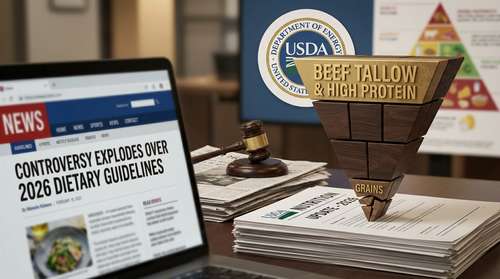
At the heart of the firestorm is the new visual representation of the USDA nutrition update: an "inverted pyramid." Unlike the MyPlate model or the grain-heavy pyramids of the 90s, this new graphic places red meat, poultry, eggs, and full-fat dairy at the broad top, signaling these should be the primary source of calories. Fruits and vegetables remain prominent, but whole grains—once the foundation of American dietary advice—have been relegated to the narrow bottom tip.
The new guidelines recommend a staggering increase in daily protein intake, targeting 1.2 to 1.6 grams per kilogram of body weight. For an average 180-pound adult, this equates to roughly 100-130 grams of protein daily, nearly double the previous standard. Officials argue this high protein diet 2026 strategy is essential to combat obesity and sarcopenia, but critics argue it ignores the environmental impact and potential kidney stress for certain populations.
Beef Tallow and the 'Healthy Fats' Pivot
Perhaps the most polarizing element of the update is the reclassification of fats. In a move aligned with the "Make America Healthy Again" (MAHA) movement's war on seed oils, the guidelines explicitly endorse saturated animal fats. The document advises Americans to cook with butter, ghee, and specifically beef tallow, labeling them as stable, "ancestral" alternatives to industrial vegetable oils like soybean and canola oil.
This beef tallow controversy has drawn sharp rebukes from the American Heart Association (AHA). While the text of the guidelines confusingly retains a technical limit of 10% daily calories from saturated fat, the practical advice to embrace tallow and fatty cuts of meat makes sticking to that limit mathematically impossible. "You cannot tell people to eat ribeyes cooked in tallow and expect them to stay under saturated fat limits," noted Dr. Sarah Jenkins, a preventative cardiologist, in a statement released Saturday. "This is a recipe for skyrocketing LDL cholesterol."
Metabolic Health vs. Conventional Wisdom
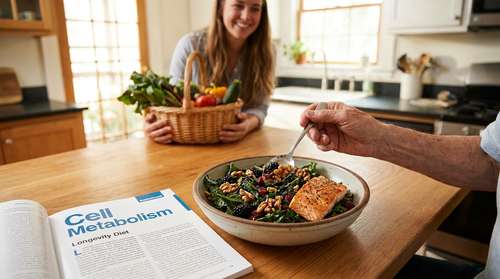
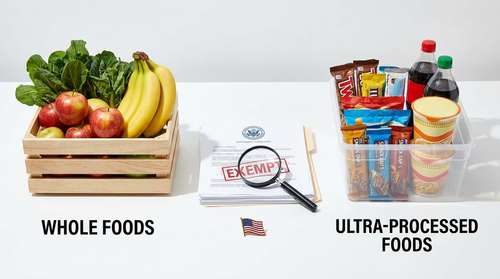
Supporters of the changes argue that the previous low-fat, grain-centric approach fueled the diabetes epidemic. The new framework prioritizes metabolic health by aggressively targeting insulin resistance through carbohydrate restriction. By discouraging "highly processed foods" (which the guidelines define broadly to include many grain-based snacks) and eliminating limits on dietary cholesterol, the administration claims to be returning to "real food."
The guidelines also take a draconian stance on additives, recommending the elimination of all artificial dyes and preservatives—a move that has sent shockwaves through the food industry. Schools are already scrambling to interpret how these mandates will affect lunch programs for the upcoming academic year, with many processed items likely facing a ban.
The Expert Divide
The rift between government policy and academic consensus has never been wider. On one side, functional medicine practitioners and keto advocates are celebrating the vindication of animal-based nutrition. On the other, traditional nutritionists warn that abandoning fiber-rich grains and legumes for a heavy meat diet could increase colon cancer risks and gut microbiome dysbiosis.
As the implementation phase begins, the 2026 Dietary Guidelines are shaping up to be not just a policy document, but a battleground for the future of American health. With the "inverted pyramid" now official policy, millions of Americans are left navigating a confusing landscape where yesterday's health vices are today's superfoods.