A groundbreaking global study involving 1.8 million people has delivered a major endorsement for plant-based eating, revealing that vegetarians enjoy significantly lower risks of five different types of cancer. Published today in the British Journal of Cancer, the findings offer the most robust evidence to date on the long-term health impacts of non-meat diets. However, the research also uncovered a startling anomaly: vegetarians appear to face nearly double the risk of one specific esophageal cancer compared to their meat-eating counterparts. As updated U.S. dietary guidelines shift focus toward plant-forward nutrition, this massive analysis adds critical nuance to the conversation around diet and cancer prevention.
Massive Drop in Pancreatic and Blood Cancer Risks
The study, led by researchers at Oxford Population Health’s Cancer Epidemiology Unit and funded by the World Cancer Research Fund (WCRF), is the largest of its kind in history. By pooling data from nine prospective studies across three continents, researchers analyzed the health outcomes of over 1.8 million participants over an average of 16 years. The results for specific cancers were striking, particularly for malignancies that are often difficult to treat.
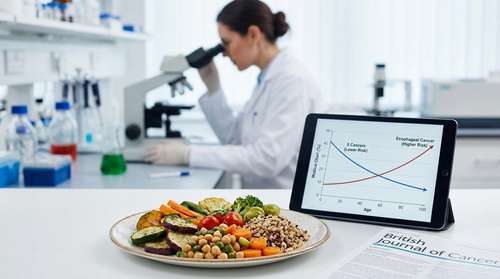
Vegetarians showed a 21% lower risk of pancreatic cancer, one of the most lethal forms of the disease. Additionally, the study found a 31% reduced risk of multiple myeloma, a cancer of the plasma cells, and a 28% lower risk of kidney cancer. More common cancers also saw significant reductions, with prostate cancer risk dropping by 12% and breast cancer risk by 9% among those avoiding meat. “This study is really good news for those who follow a vegetarian diet,” said Dr. Aurora Pérez-Cornago, the study's principal investigator. “We are seeing protective effects against cancers that are both prevalent and highly dangerous.”
The Esophageal Cancer Anomaly Explained
Despite the overwhelmingly positive news for plant-based advocates, the study identified a concerning outlier. Vegetarians were found to have nearly double the risk of squamous cell carcinoma of the esophagus compared to meat-eaters. This specific subtype of esophageal cancer affects the flat cells lining the throat and has historically been linked to alcohol and tobacco use, but its association with a vegetarian diet has puzzled researchers.
Experts suggest that nutritional gaps may be the culprit rather than the vegetables themselves. “The higher risk of esophageal squamous cell carcinoma in vegetarians may relate to lower intakes of certain nutrients more abundant in animal foods,” explained Dr. Pérez-Cornago. Researchers hypothesize that deficiencies in Vitamin B12, iron, or zinc—which are more easily absorbed from meat—might compromise the health of the esophageal lining over decades. This finding underscores the importance of strategic supplementation and careful meal planning for those on strict plant-based diets.
Key Findings at a Glance
- Pancreatic Cancer: 21% lower risk
- Kidney Cancer: 28% lower risk
- Multiple Myeloma: 31% lower risk
- Prostate Cancer: 12% lower risk
- Breast Cancer: 9% lower risk
- Esophageal Squamous Cell Carcinoma: ~2x higher risk
Implications for 2026 Dietary Guidelines
These findings arrive at a pivotal moment for global nutrition policy. With the U.S. and UK recently updating dietary guidelines to encourage reduced meat consumption for environmental and cardiovascular reasons, the cancer prevention angle adds significant weight to these recommendations. However, the nuances regarding esophageal health suggest that simply removing meat is not a silver bullet; the quality of the replacement diet matters immensely.
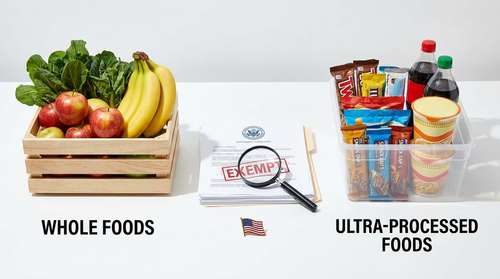
Professor Tim Key, a co-author of the study, noted that while the overall cancer reduction is promising, the increased esophageal risk requires further investigation. He emphasized that “appropriately planned” vegetarian diets are crucial. Relying on processed plant-based foods rather than nutrient-dense whole foods could theoretically exacerbate nutrient deficiencies associated with the esophageal risk.
Optimizing Your Plant-Based Strategy
For the millions of people shifting toward vegetarianism in 2026, the takeaway is one of cautious optimism. The substantial protection against pancreatic, kidney, and breast cancers makes a compelling case for dropping meat. To mitigate the potential esophageal risks, nutritionists recommend focusing on fortified foods and supplements to ensure adequate intake of B vitamins and minerals.
As science continues to unravel the complex relationship between what we eat and how our cells behave, this study serves as a powerful reminder: a healthy diet is about balance, not just restriction. For now, the evidence suggests that for most people, the anticancer benefits of a vegetarian lifestyle far outweigh the risks, provided that nutritional needs are fully met.