A vegetarian diet may be a powerful shield against some of the world's most aggressive diseases, according to a groundbreaking new study published on February 27, 2026. In what is now the largest nutrition study 2026 has seen, researchers from Oxford Population Health analyzed data from over 1.8 million people to uncover how non-meat diets influence cancer susceptibility. The findings, published in the British Journal of Cancer, offer a compelling mix of good news and cautionary insights: while vegetarians enjoy a significantly reduced risk of five specific cancers, including pancreatic and prostate, they face a nearly doubled risk of esophageal cancer compared to meat-eaters.
The Largest Nutrition Study of Its Kind
This massive analysis, funded by the World Cancer Research Fund, represents a pivotal moment in nutritional epidemiology. By pooling data from nine prospective studies across the UK, US, India, and Taiwan, the British Journal of Cancer 2026 publication provides the most robust comparison of vegetarian vs meat eater health to date. The sheer scale of the cohort—1.8 million participants followed for an average of 16 years—allows scientists to detect patterns that smaller studies previously missed.
"Vegetarians typically consume more fruit, vegetables, and fiber than meat-eaters and no processed meat, which may contribute to lower risks of some cancers," explained Dr. Aurora Perez-Cornago, the study's lead investigator at Oxford. However, the study's unprecedented size also illuminated potential pitfalls in restrictive diets that had not been clearly identified before.
Five Cancers Where Vegetarians Win
The headline findings provide strong support for plant-based health benefits. When compared to regular meat-eaters, vegetarians demonstrated a remarkable drop in the incidence of five distinct malignancies. The data revealed:
- Multiple Myeloma: A 31% lower risk, the most significant reduction found in the study.
- Kidney Cancer: A 28% lower risk.
- Pancreatic Cancer: A 21% lower risk.
- Prostate Cancer: A 12% lower risk.
- Breast Cancer: A 9% lower risk.
These statistics are particularly encouraging given that pancreatic cancer is notoriously difficult to treat and prostate cancer remains one of the most common cancers in men globally. For those prioritizing cancer prevention nutrition, these numbers suggest that eliminating meat could be a viable strategy for reducing specific oncological risks.
The Esophageal Cancer Paradox
Despite the protective benefits against five major cancers, the study uncovered a startling anomaly: vegetarians had nearly double the risk of developing squamous cell carcinoma of the esophagus compared to their meat-eating counterparts. This finding challenges the assumption that plant-based diets are universally protective.
Professor Tim Key, a co-author of the study, noted that this increased risk might be linked to specific nutrient balance in vegan diets and vegetarian lifestyles. "The higher risk of esophageal squamous cell carcinoma in vegetarians... may relate to lower intakes of certain nutrients more abundant in animal foods," the researchers posited. While the exact mechanism remains under investigation, experts suggest that deficiencies in micronutrients like Vitamin B12, Zinc, or Calcium—often harder to source in non-meat diets without careful planning—could play a role in maintaining the health of the esophageal lining.
Vegans and Bowel Cancer Risk
In another unexpected twist, the study found that vegans—who exclude all animal products, including dairy and eggs—had a statistically significant 40% higher risk of bowel (colorectal) cancer compared to meat-eaters. Researchers hypothesize this may be driven by critically low calcium intake among the vegan participants, who averaged just 590mg per day compared to the recommended 700mg. Calcium is known to bind to bile acids and fatty acids in the gut, potentially protecting the bowel wall.
Nutrient Balance is Key
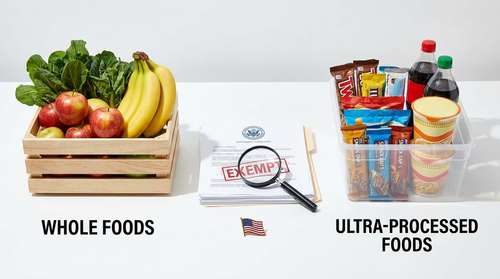
These mixed results underscore a critical lesson for the health-conscious: cutting out meat is not a silver bullet. The vegetarian diet cancer risk equation is complex and depends heavily on diet quality. A vegetarian diet rich in ultra-processed foods, refined sugars, and low in essential micronutrients may not offer the same protection as one centered on whole foods.
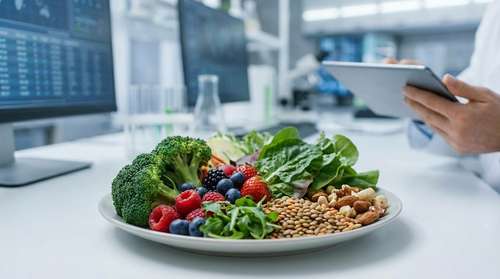
"Balance and proper nutrition remain key," Dr. Perez-Cornago advised. "To increase your overall protection from cancer, our advice is to build meals around wholegrains, pulses, fruit, and vegetables." For those on a plant-based path, paying close attention to fortified foods and supplements for B12, Calcium, and Iron is essential to mitigate the risks identified in this study.
What This Means for Your Diet
Should you switch to a vegetarian diet today? The evidence is compelling for those concerned about kidney, pancreatic, or blood cancers. However, this landmark 2026 study serves as a reminder that dietary changes should be strategic. Merely removing meat without replacing its nutrients can lead to new vulnerabilities.
As we digest these findings, the consensus among nutritionists is clear: the plant-based health benefits are real and substantial, but they must be supported by a well-planned nutritional strategy. Whether you are a lifelong vegetarian or a "flexitarian" looking to cut back, the focus should always be on nutrient density rather than just exclusion.