In what is being hailed as the most significant overhaul of federal nutrition policy since 1980, the U.S. government has officially initiated a "Real Food Reset." Following the January release of the 2026 Dietary Guidelines for Americans, federal agencies are now implementing a sweeping crackdown on ultra-processed foods (UPFs) and chemical additives. This historic shift marks the effective end of the low-fat, high-carbohydrate era, replacing it with a new "Protein-First" paradigm that doubles recommended intake levels and places whole animal foods back at the center of the American plate.
The New "Protein-First" Standard: 2026 Dietary Guidelines Explained
The cornerstone of the new guidelines is a dramatic revision of daily protein requirements. For decades, the recommended dietary allowance (RDA) stagnated at 0.8 grams per kilogram of body weight. The 2026 Dietary Guidelines for Americans have shattered this ceiling, officially raising the recommendation to 1.2–1.6 grams per kilogram. This change reflects a growing consensus that the previous minimums were insufficient for metabolic health, muscle maintenance, and satiety.
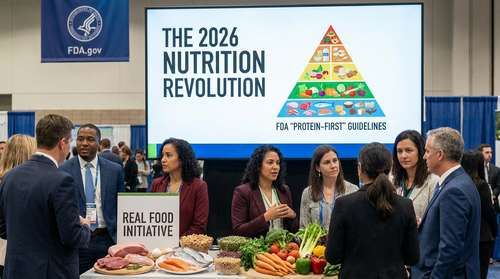
Crucially, the guidelines explicitly distinguish between "nutrient-dense protein" and general caloric intake. The new "Protein-First" framework encourages Americans to anchor every meal with high-quality sources, including red meat, poultry, eggs, and seafood. In a controversial but celebrated move by advocates, the guidelines also endorse full-fat dairy—recommending butter, whole milk, and cheese over their low-fat counterparts for the first time in nearly 50 years.
The Inverted Food Pyramid
To visualize this shift, the USDA has debuted a new food pyramid 2026 model, often described as "inverted" compared to its predecessors. Unlike the grain-heavy pyramids of the past, this new graphic prioritizes proteins and healthy fats (including animal fats like tallow and butter) at the top widest section, signaling they should be the priority. Fruits and vegetables remain prominent, while processed grains and sugars have been demoted to the smallest "limit" section, effectively reversing the carbohydrate-dominant messaging of the MyPlate era.
Federal Crackdown on Ultra-Processed Foods (UPFs)
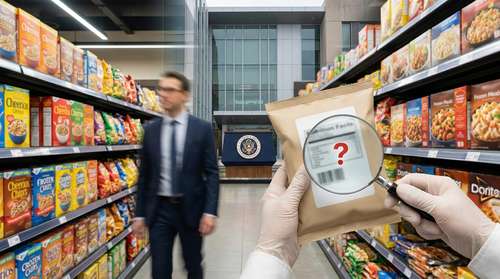
While the protein recommendations offer a "carrot," the FDA ultra-processed foods crackdown provides the "stick." As of February 2026, the FDA has moved to establish the first strict federal definition of UPFs, categorizing them not just by nutrient content but by the presence of industrial additives and processing methods.
This definition is the launchpad for aggressive regulatory action. The administration's "Make America Healthy Again" (MAHA) agenda identifies UPFs as the primary driver of the chronic disease epidemic. Under new rules expected to be finalized this spring, products meeting the UPF criteria will face strict marketing restrictions. The days of marketing sugary cereals and chemically altered snacks as "healthy" breakfast options are effectively over.
Front-of-Package Labels and the "Warning" Era
A key component of this crackdown is the implementation of mandatory front-of-package nutrition labels. Moving beyond the voluntary "Facts Up Front" initiative, the FDA's new rule requires bold, interpretive labels on packaged goods. These labels will flag high levels of added sugars, sodium, and saturated fats, but—in a new twist—will also highlight the presence of artificial additives.
This transparency aims to empower consumers to make split-second decisions in the grocery aisle. If a product contains ingredients that you wouldn't find in a home kitchen—such as high-fructose corn syrup, artificial dyes, or industrial emulsifiers—it will likely carry a conspicuous marker. These healthy food labeling rules are designed to nudge shoppers toward the "Real Food" options emphasized in the new pyramid.
GRAS Reform 2026: Closing the "Self-Affirmed" Loophole
Perhaps the most technical yet impactful change is the FDA GRAS reform 2026. For decades, food manufacturers could bypass FDA review by declaring their own ingredients "Generally Recognized As Safe" (GRAS). This "self-affirmation" loophole allowed thousands of chemicals to enter the food supply with minimal oversight.
The new FDA mandate ends this practice. As of this month, manufacturers must formally notify the FDA of all GRAS determinations, subjecting them to public record and agency review. Already, the agency has initiated a comprehensive reassessment of common additives, including the preservative BHA (butylated hydroxyanisole) and various synthetic dyes. This regulatory tightening ensures that the "chemical soup" often found in processed foods faces the same scrutiny as pharmaceutical drugs.
What This Means for Your Grocery List
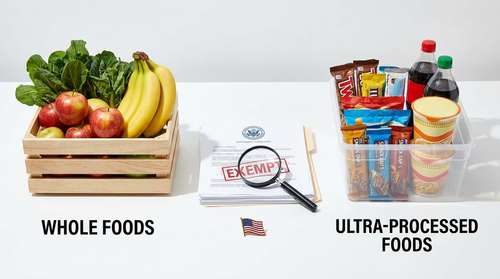
The 2026 nutrition revolution is more than just policy; it is a practical roadmap for a healthier life. The message from Washington is clear: eat real food. Shoppers can expect to see a resurgence of traditional staples—steaks, butter, eggs, and organic produce—taking center stage, while ultra-processed snacks are pushed to the fringes.
By aligning protein intake recommendations 2026 with a strict rejection of artificial ingredients, the government is betting that a return to whole, ancestral foods will reverse the nation's health decline. For the average American, the advice is simpler than ever: if it came from a farm, eat it; if it was made in a factory, leave it on the shelf.